








Visual Aid Blog

Living With Low Vision

the kingdom of senses a sensory exploration journey for the visually impaired

“The Kingdom of Senses”: A Sensory Exploration Journey for the Visually Impaired

Human senses are the bridges that connect us to the world, and for the visually impaired, hearing, smell, and touch often become their primary ways of perceiving the world. In the “Kingdom of Senses,” we can not only understand the unique experiences of the visually impaired but also design innovative activities to help them unlock their potential, boost their confidence, and raise awareness about their needs. This article explores three sensory activities tailored for the visually impaired: the Blindfolded Smell

Read More »
music cover

Monologue of a Low-Vision Music Lover: Music, My Bridge to the World

Childhood and the Discovery of Music Growing up, while my friends immersed themselves in visual games, I found solace in sound. The radio was my constant companion, and I’d spend hours listening to all kinds of music, from classical to rock. At eight years old, my parents bought me a small keyboard, and I was captivated by the different notes and the melodies they could create. Reading sheet music was a challenge due to my low vision, so I learned

Read More »

Healthcare Navigation and Color Coding: Decoding the Secrets of Global Hospital Accessibility Design

Hospital accessibility design is no longer a luxury but a necessity to ensure that all patients, particularly those with low vision, can navigate safely and independently. Around the world, hospitals are adopting cutting-edge technologies to address navigation challenges, with sensory substitution playing a pivotal role. This article dives into the advanced hospital accessibility designs of Japan, the UK, and the U.S., while exploring how sensory substitution technologies empower individuals with low vision. Written with expertise and a lively tone, this

Read More »

Braille Learning Tips and Enhancing Independence for People with Low Vision

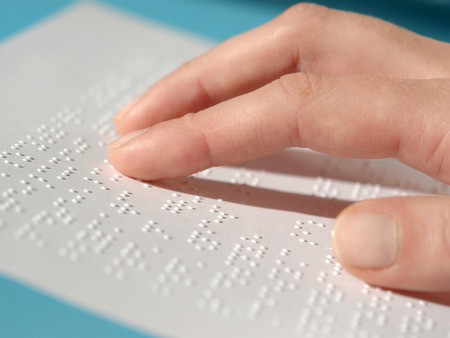
In the digital era of 2025, Braille learning remains a cornerstone for enhancing independence and confidence among individuals with low vision. This article explores a beginner’s guide to learning Braille, common challenges, and how mastering this tactile writing system can transform lives. What is Braille and Its Importance? Braille is a tactile writing system developed by Louis Braille in the 19th century, consisting of raised dots arranged in cells of up to six dots, with each cell representing a letter,

Read More »

The Rise of Robotic Guide Dogs and China’s Technological Leadership

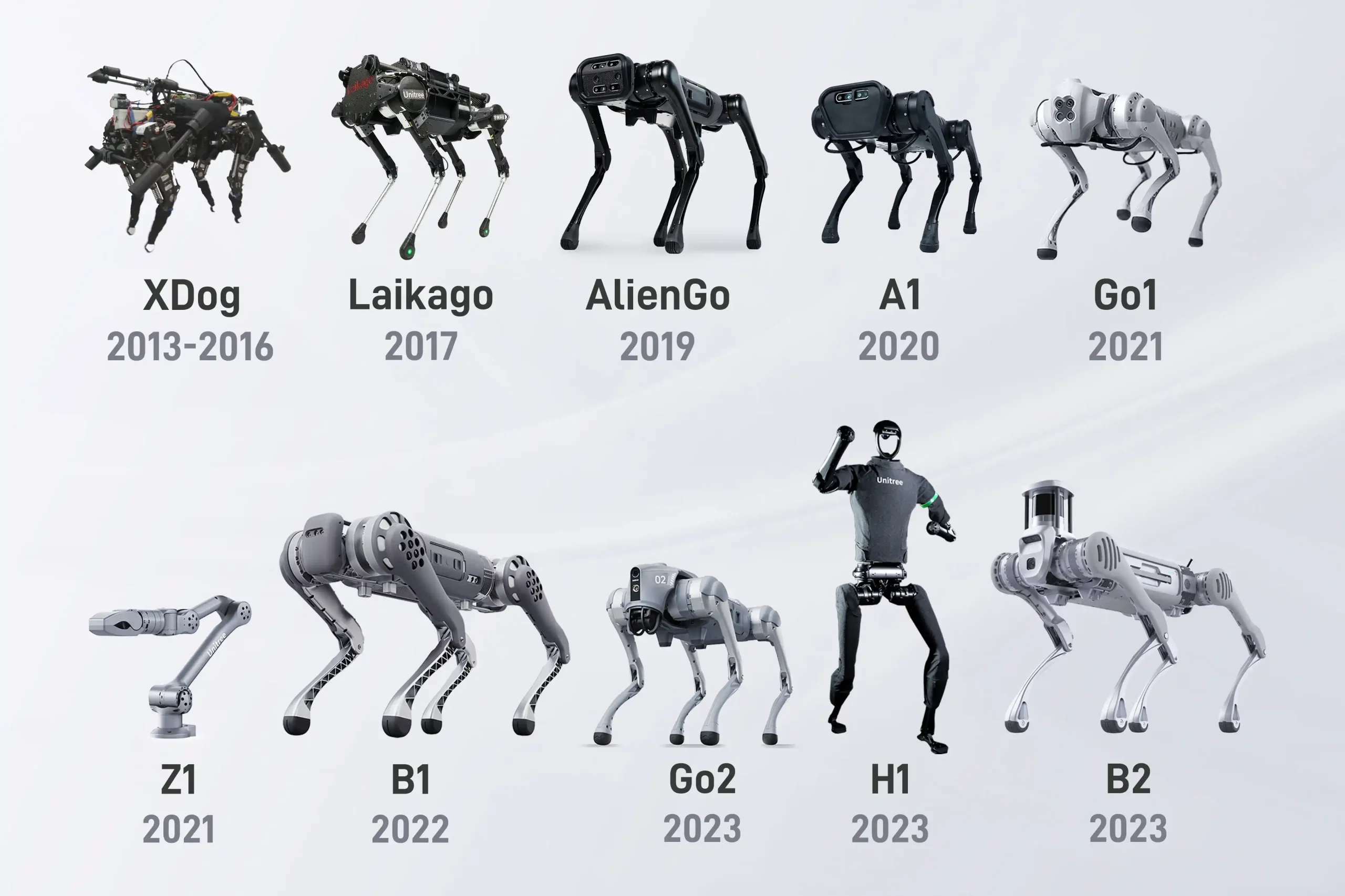
In the rapidly evolving landscape of robotics, advancements in artificial intelligence (AI) and biomechanical engineering are reshaping industries and everyday life. Among these innovations, robotic guide dogs have emerged as a transformative solution for individuals with visual impairments, offering companionship and functional support. This article explores the cutting-edge developments in robotic technology by Chinese companies such as Unitree Robotics and their competitors, highlights recent breakthroughs like the side-flipping robot, and discusses how these innovations align with broader trends such as

Read More »

Micro-Fitness: Mastering Health in the Bits and Pieces of Your Day

What is Micro-Fitness? Micro-fitness is a health management approach that involves engaging in physical activity during short time segments, typically lasting 5-10 minutes or even less. Its core idea is to make use of fragmented time in daily life—such as breaks between work tasks, waiting for the bus, or watching TV—to perform simple exercises like jumping, squats, or stretching. This method is especially suitable for people who struggle to find large blocks of time for traditional long-duration workouts, including busy

Read More »

From Sci-Fi to Reality: Manus and the Wild Future of AI Agents

The question of the first global AI agent is complex, but it seems likely that Manus, launched in March 2025 by the Chinese startup Butterfly Effect, is a key contender. It can autonomously handle tasks like creating travel itineraries or analyzing stocks, drawing global attention (MIT Technology Review). Earlier systems, like ELIZA from the 1950s, are sometimes mentioned, but Manus is seen as a general AI agent, a step forward in autonomy. Future Outlook for AI Agents Looking ahead, AI

Read More »

Money and Happiness: The Path to Success Beyond Wealth

The Interplay of Money, Success, and Happiness From ancient times to the present, money has always been a complex and sensitive topic in human society. Many people believe that money is a symbol of success, and wealth is the source of happiness. But is this really the case? Can money truly measure a person’s success? Does wealth genuinely affect our physical and mental well-being? This article will explore these questions by drawing on the wisdom of famous books, aiming to

Read More »

AMD MI350 vs. NVIDIA Blackwell: A Comparative Analysis of Next-Generation Chips

How Two Tech Giants Are Shaping the Future of AI and Accessibility In the high-stakes race for dominance in AI and high-performance computing (HPC), AMD and NVIDIA are set to clash with their latest innovations: the AMD MI350 and NVIDIA Blackwell chips. This showdown isn’t just about raw power—it’s about redefining accessibility, efficiency, and the very fabric of technological progress. Let’s dive into how these next-gen chips stack up, why they matter for industries like healthcare and low-vision assistive technologies,

Read More »

Technological Advancements: How Smart Devices Improve the Quality of Life for AMD Patients

Age-related Macular Degeneration (AMD) is one of the leading causes of vision loss among individuals aged 50 and older, significantly affecting daily activities such as reading, driving, and facial recognition. With the global population aging, the prevalence of AMD is steadily increasing. As of 2024, approximately 11 million people in the United States are affected by AMD, accounting for about 12% of the population aged 50 and older. In the U.S., AMD is the primary cause of visual impairment, particularly

Read More »
Scroll to Top