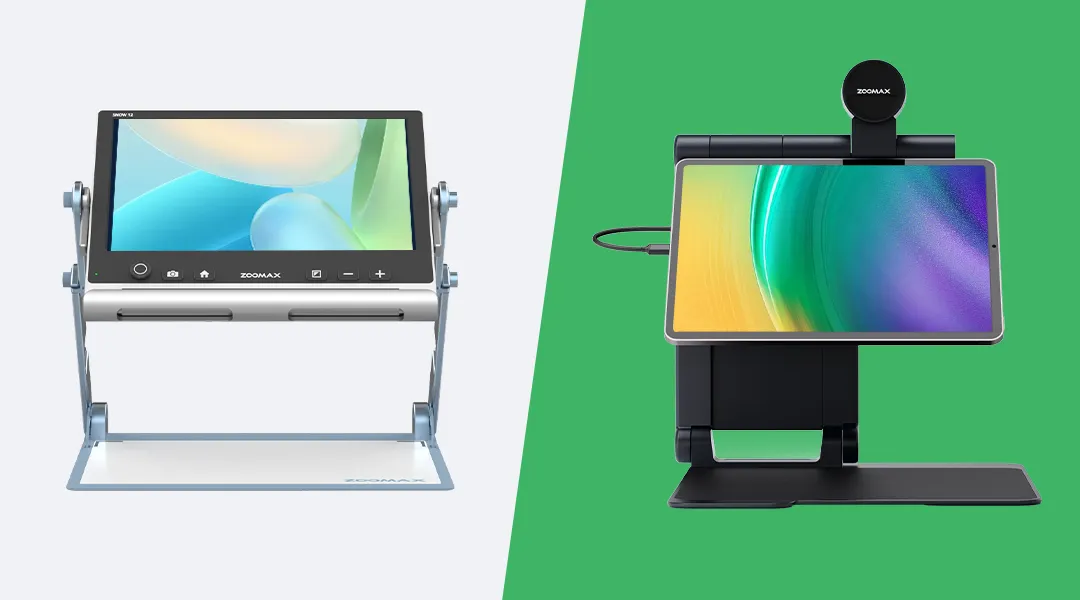

For decades, the low vision industry was trapped in a “Clinical Cage.” If you walked into a vision rehabilitation center ten years ago, the devices you saw were heavy, beige, and unmistakably medical. They screamed “disability” from across the room. While these machines provided essential magnification, they carried a heavy social tax: Stigma.
As we move through 2026, a revolution is underway. The most successful distributors aren’t just selling “tools for the blind”; they are selling empowerment through inclusive design. The shift toward “de-medicalized” products—sleek, portable, and integrated with mainstream tech like the iPad and Samsung Galaxy tablets—is no longer a niche preference. It is a market mandate.
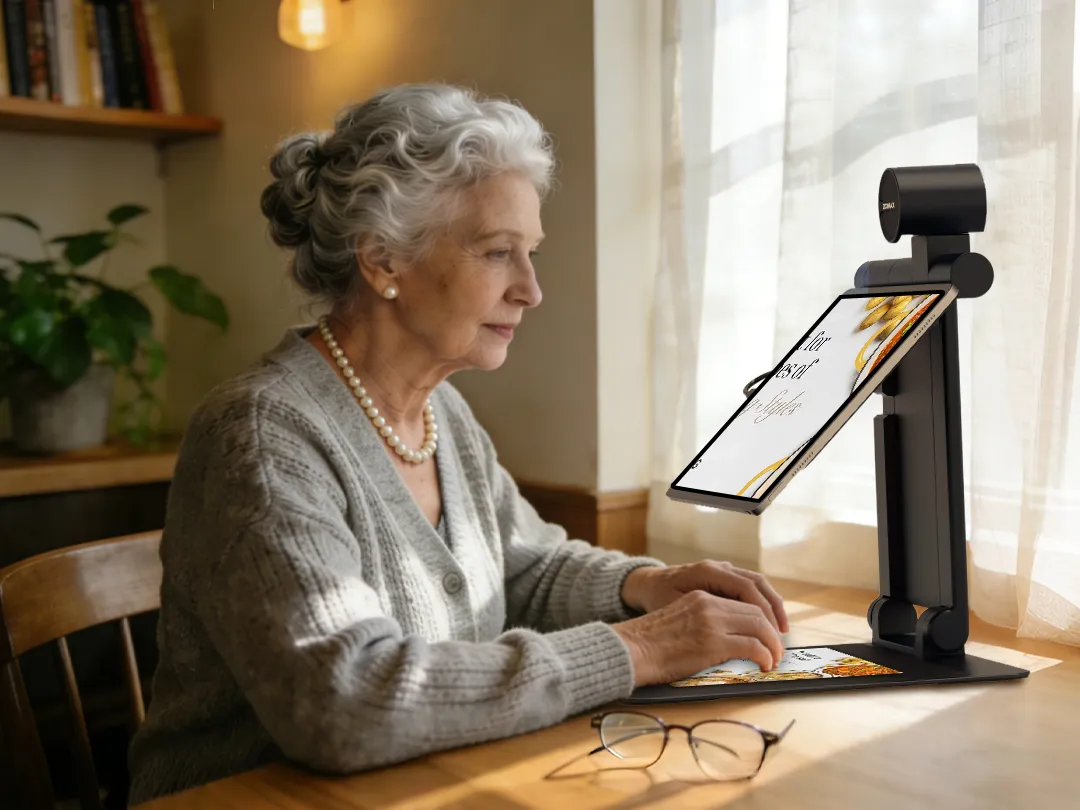
In this deep dive, we explore why devices like the Zoomax Snow Pad have captured the industry’s imagination and why your business must pivot toward “discreet technology” to capture the next generation of users.
1. The Stigma Barrier: Why “Medical” Design Kills Sales
In the world of B2B distribution, the biggest obstacle isn’t usually the price; it’s the user’s psychological resistance. For many seniors and young professionals with low vision, using a traditional electronic magnifier in public feels like wearing a sign that says “I am frail.”
This “Medical Stigma” leads to a phenomenon known as device abandonment. Users buy a device, but it sits in a drawer because they are too embarrassed to use it at a restaurant, a business meeting, or a university lecture.
The Rise of the “Hidden” Aid
The “de-medicalization” trend solves this by borrowing the design language of high-end consumer electronics. When a user pulls out a tablet-integrated solution, observers see a tech-savvy individual using a premium iPad setup, not a patient using a medical aid. This subtle shift in perception is the single greatest driver of user adoption in 2026.
2. The Snow Pad Benchmark: Familiarity as a Bridge
The industry often looks at the Zoomax Snow Pad as a turning point. Why did it resonate so strongly with both distributors and end-users? Because it leveraged The Power of Familiarity.
By connecting a high-quality camera and specialized stand to an iPad or a Galaxy Tab, the device transformed the user experience:
- Aesthetic Integration: The iPad is a global symbol of productivity and coolness. By making the tablet the “face” of the device, the “medical” feel evaporates.
- Portability Reimagined: Unlike older “portable” magnifiers that were still bulky, tablet-integrated designs are slim and fit into standard laptop bags.
- Multi-Purpose Utility: Users love that they can switch from a professional magnifier to checking their email or watching Netflix on the same high-resolution screen.
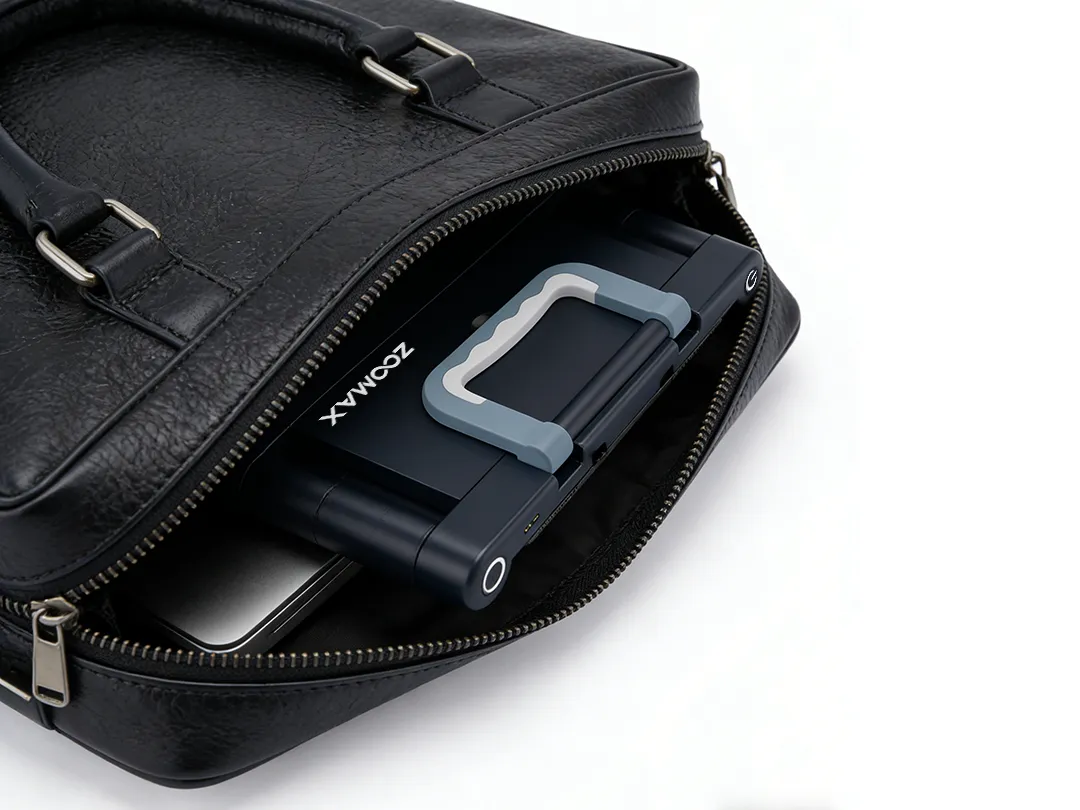
For a distributor, the Snow Pad proved that there is a massive market for “Lifestyle Vision Aids.” It showed that people are willing to pay a premium for a device that integrates into their life rather than forcing them to change their life to fit the device.
3. The B2B Advantage: Why Discreet Tech is Easier to Sell
If you are a distributor, “de-medicalized” products are your secret weapon for three core reasons:
A. Shorter Sales Cycles
When a product looks like a consumer electronics upgrade rather than a medical necessity, the emotional friction of the purchase is reduced. Family members are more likely to buy it as a gift, and users are more likely to justify the purchase as an “investment in their digital lifestyle.”
B. Access to New Channels
Traditional magnifiers are limited to eye clinics. Sleek, tablet-based solutions can be sold in:
- High-end Optical Boutiques: Where fashion and function meet.
- Corporate Accessibility Programs: For employees who need to remain productive without drawing attention to their disability.
- Modern Libraries and Universities: Seeking “invisible” accessibility solutions that don’t clutter their aesthetic.
C. Reduced Inventory Complexity
As a manufacturer, we see the trend moving toward Modular Design. When the “brain” of the device is an iPad, the distributor only needs to manage the camera hardware and the software license. This reduces the risk of having thousands of dollars tied up in proprietary screens that might become obsolete.
4. Beyond the Stand: The Future is AI-Driven Integration
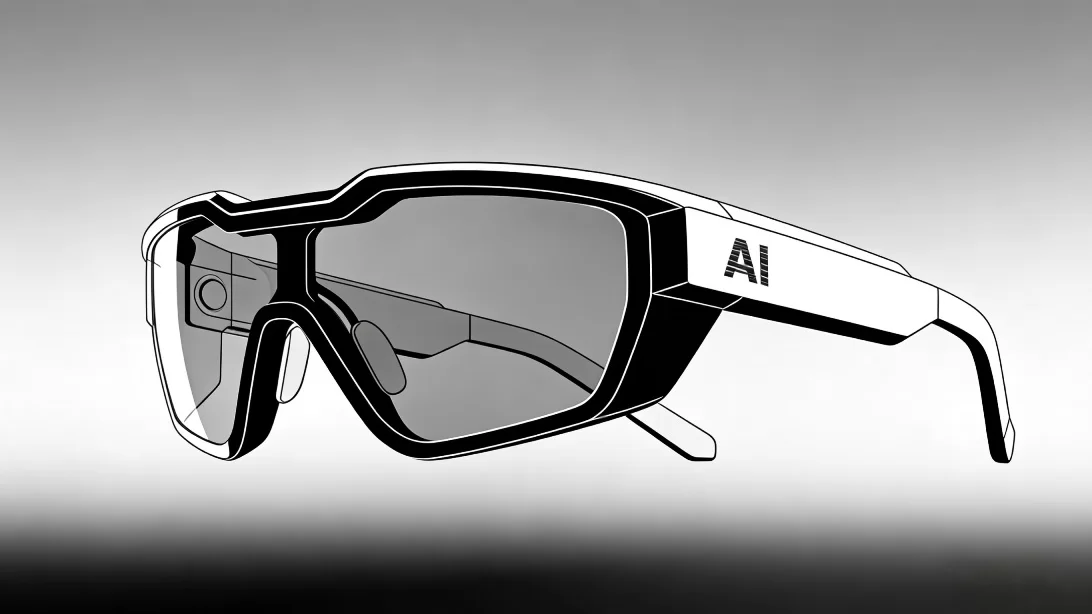
While the “Snow Pad model” set the stage, the next 3-5 years will take de-medicalization to the next level through Artificial Intelligence (AI).
The future isn’t just a tablet that enlarges text; it’s a tablet that understands what it sees. This is where our upcoming product line takes the lead. By integrating AI into the tablet-camera ecosystem, we are adding:
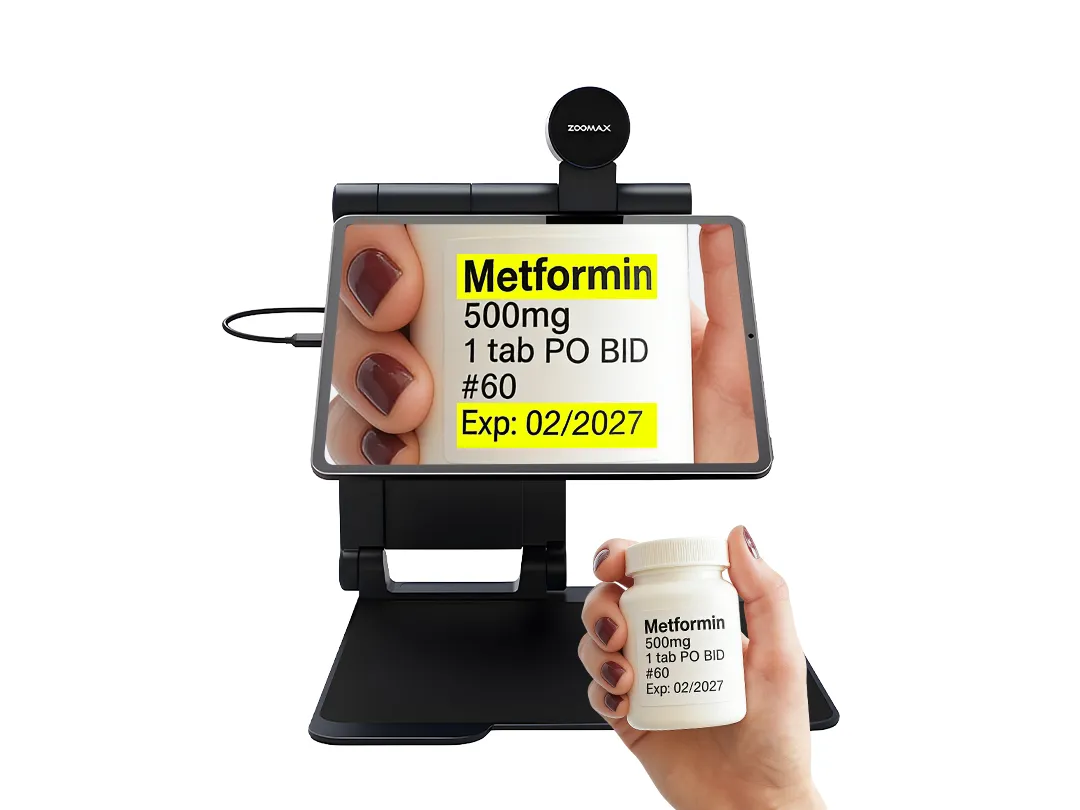
- Context-Aware OCR: The device doesn’t just show a blurred pill bottle; it identifies the medication and reads the dosage aloud via the user’s Bluetooth hearing aids.
- Facial Recognition for Social Dignity: In a senior living community, the AI can whisper the name of an approaching friend into the user’s ear. (Read our Guide on Winning Senior Living Tenders.)
- Seamless Cloud Updates: Traditional devices are “frozen” in time once they leave the factory. Our AI-driven tablet aids evolve. A software update can add a new language or a new recognition feature overnight.
5. Strategic Advice for Distributors in 2026
To succeed in this evolving landscape, your marketing needs to stop using “medical” language.
- Don’t say: “A device for the visually impaired.”
- Do say: “A smart vision upgrade for your digital life.”
- Don’t say: “Medical-grade magnification.”
- Do say: “High-performance visual clarity for iPad.”
By positioning your portfolio around Inclusive Design, you appeal to the “Active Aging” demographic—those who have the disposable income and the tech-fluency to demand the best, but who refuse to be defined by their vision loss.
Conclusion: Join the Movement Toward Inclusive Tech
The “De-medicalization” of low vision technology is more than a trend; it is a movement toward human dignity. When we remove the “medical” look, we remove the “patient” label, allowing users to return to being students, professionals, grandparents, and travelers.
As a manufacturer, we are committed to this vision. Our products are designed to be as beautiful as they are powerful, ensuring that when your customers walk out of your shop with one of our devices, they carry it with pride.
Are you ready to modernize your catalog with the latest in de-medicalized AI vision tech?
FAQ for This Post
Q: Why is tablet integration better than a built-in screen?
A: Tablet integration allows users to utilize the world-class processing power and high-resolution displays of iPads and Galaxy tablets, which are often superior to proprietary screens. It also allows for easier software updates and multi-functional use.
Q: Is “de-medicalized” design as durable as traditional equipment?
A: Absolutely. While the design is sleeker, the build quality is engineered for daily portability. By offloading the display to a tablet, the hardware focuses on camera optics and structural stability.
Q: How do I market these to older seniors who aren’t “tech-savvy”?
A: We focus on “Zero-Touch AI.” The goal of de-medicalization isn’t to make things more complex, but to make the technology “disappear” so the user can focus on seeing, not on operating a machine.