
The new semester sparks excitement for most students, but low vision learners face unseen hurdles—straining to read textbook fine print, missing key whiteboard notes, and lagging behind in assignments that take twice as long to finish. Portable digital magnifiers emerge as a student-tailored solution to unlock near-far viewing freedom, turning frustrating learning days into seamless, productive ones. Zoomax Snow Pad, a revolutionary portable digital magnifier built exclusively for low vision students, bridges home and school learning gaps with purpose-driven features that prioritize academic success and confidence. To understand why this tool matters, we first examine the classroom barriers low vision students face and their far-reaching impacts. For many low vision students, the start of a new semester brings not just textbooks and schedules, but a familiar sense of anxiety—wondering if they’ll be able to keep up, if they’ll have to rely on others to access basic learning materials, and if they’ll feel like an equal part of the classroom community. That’s where targeted tools like portable digital magnifiers step in, designed to meet the unique needs of students navigating the fast-paced, visually intensive world of modern classrooms.
Classroom Barriers for Low Vision Students & Their Holistic Impacts
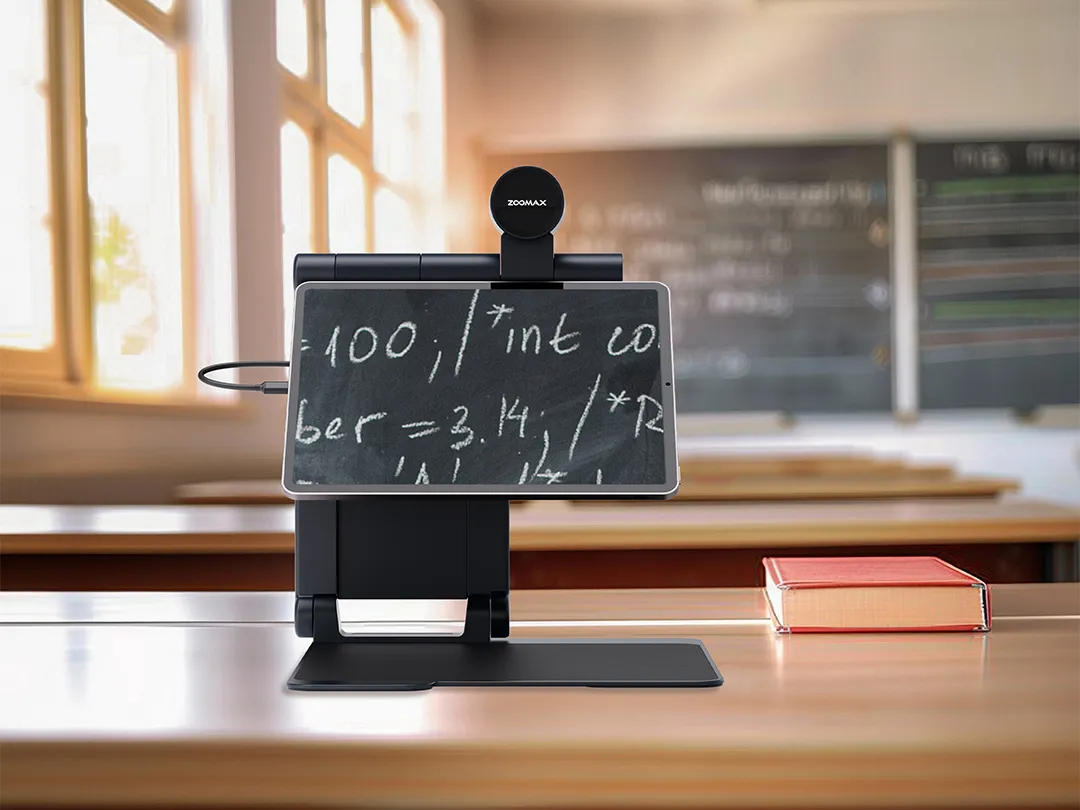
Low vision students navigate a host of academic roadblocks every single class period. They cannot clearly view whiteboard scribbles, fast-changing PowerPoint slides, or the tiny print in science textbooks and workbooks. Note-taking becomes a struggle; by the time they finish copying one sentence, the teacher has moved on to the next topic. Homework drags on for hours, robbing them of time for hobbies, socializing, and rest. Even simple tasks, like reading a worksheet passed out in class or following a video played during a lesson, become monumental challenges that require extra effort and focus.
 These hurdles extend far beyond grades, leaving deep psychological and social impacts. Reduced class participation leads to feelings of exclusion from peers. Constantly asking for repeats or assistance chips away at self-confidence, and over time, many low vision students start to disengage from learning altogether. They may avoid raising their hands, even when they know the answer, because they fear they won’t be able to read a follow-up question on the board. Generic low vision aids fall short of addressing these dual challenges—they might help with close-up reading but fail to let students see a distant whiteboard, or they’re too bulky to carry between classes. In contrast, purpose-built portable digital magnifiers tackle both academic and emotional barriers head-on. The right tool doesn’t just help students see—it helps them thrive, giving them the independence to participate fully without feeling like a burden to teachers or classmates.
Key Features Students Need in Portable Digital Magnifiers
The ideal low vision aid for students must balance three critical pillars: portability, visual precision, and smart classroom functionality. Each of these elements is non-negotiable for a tool that’s meant to support students across multiple classes, environments, and learning tasks.
- Ultra-portability: Low vision students already carry heavy backpacks full of textbooks, notebooks, and stationery; their magnifier needs to be lightweight and compact for hassle-free carry between home and school. It should fit into a standard backpack pocket, resist daily wear and tear, and work reliably in varying lighting conditions—from bright classroom windows to dim home study spaces.
- Visual precision essentials:
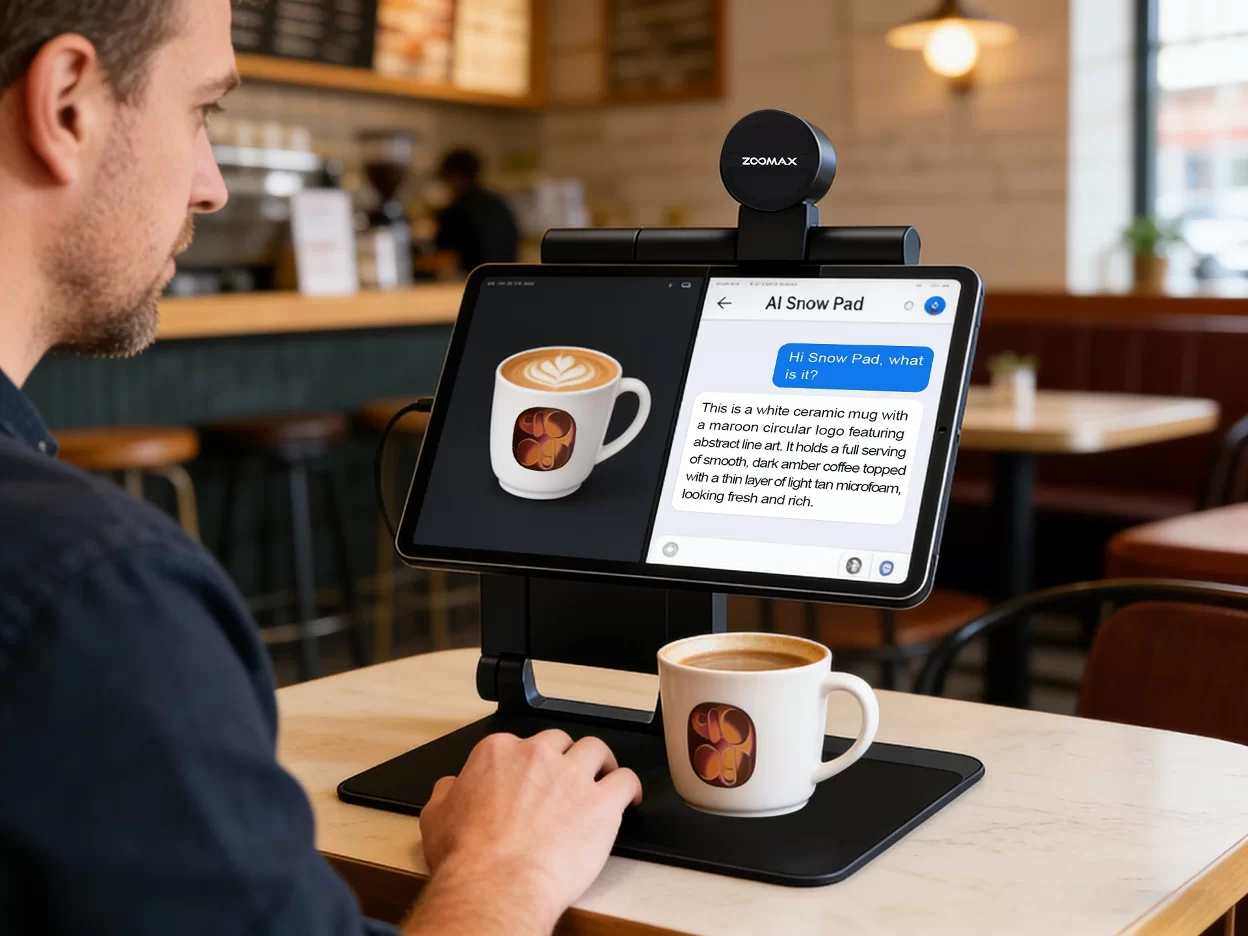
- Split-screen display: View distant whiteboards and close-up textbooks/notebooks simultaneously, no constant refocusing required.
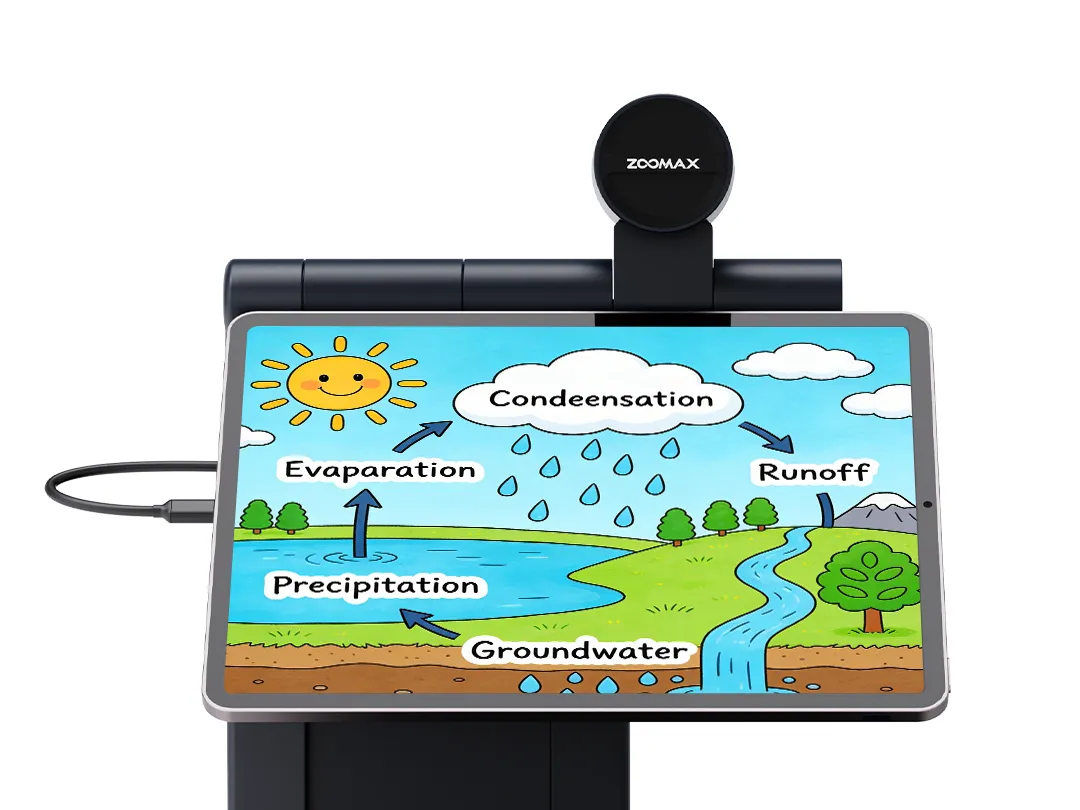
- HD image quality & vivid true color: Catch fine details in math equations, science diagrams, and art projects without straining eyes.
- Glare reduction: Comfortable use under harsh classroom fluorescent lights or direct sunlight near windows.
- Smart learning tools:
- Text-to-speech: Converts long readings to audio, cutting down eye fatigue during extended study sessions.
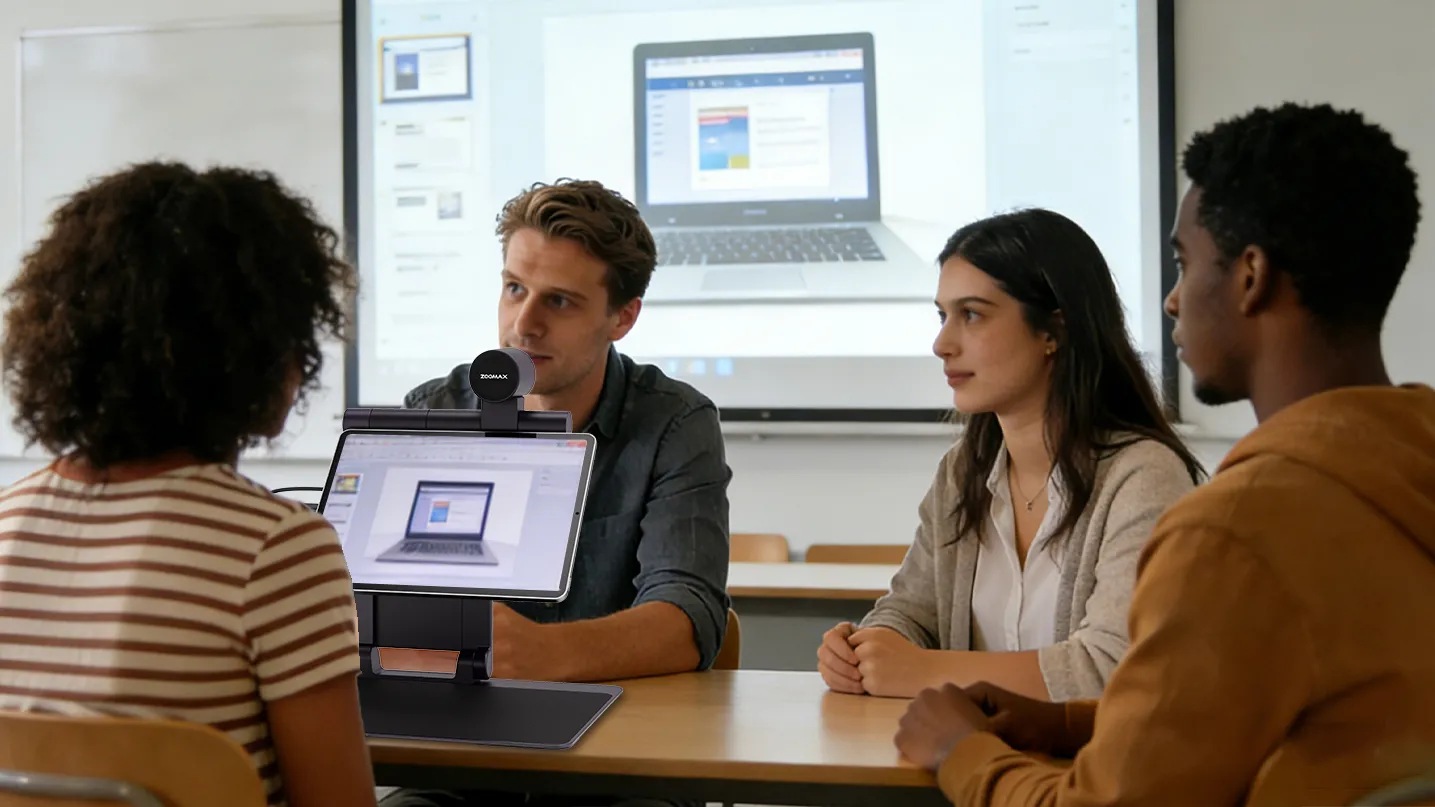 Screen mirroring: Lets student’s present work confidently to the whole class, a once-daunting task for many low vision learners.
- File sharing & digital downloads: Streamlines assignment submissions and replaces heavy paper textbooks, lightening backpack loads.
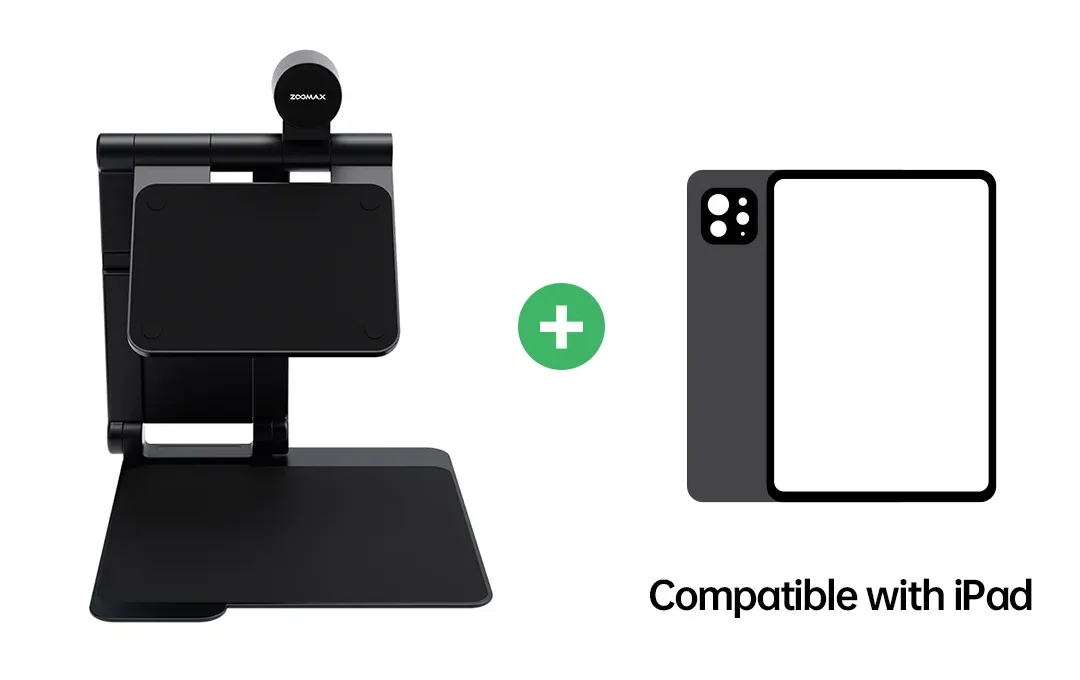
- Tablet compatibility: Syncs with iPads or Samsung tablets to cut family costs, leverage familiar devices, and eliminate steep learning curves for students.
These features combined make portable digital magnifiers indispensable for classroom success, turning daily struggles into daily wins and giving low vision students the tools they need to keep up with their peers.
Why Most Digital Magnifiers Aren’t Built for Students
Walk into any low vision aid store, and you’ll find dozens of digital magnifiers—but almost none of them are built for students. The majority prioritize adult use cases, like reading newspapers, menus, or mail, over the unique demands of classroom life. Many are bulky, designed for desk use only, making them impossible to carry between classes or use in a crowded classroom. Others lack split-screen functionality or smart features that support group learning and presentations, focusing solely on close-up reading without considering the need to view distant materials.
This gap leaves parents and teachers in a tough spot, forced to choose between tools that don’t quite fit and expensive custom solutions that may be out of reach. Critical purchasing tip for parents & teachers:
- Avoid impulse buys—never purchase a magnifier without student input.
- Test devices in real classroom settings, not just retail stores, to mimic daily use conditions.
- Prioritize tools that adapt to a student’s changing needs as they move from elementary to high school.
Student-focused portable digital magnifiers are rare, but they are transformative for learning equality—proving that one size never fits all when it comes to low vision learning tools. They recognize that students have different needs than adults, and they’re designed to grow with learners as they tackle new subjects, classrooms, and challenges along the way.
Zoomax Snow Pad: The Revolutionary Portable Digital Magnifier for Low Vision Students
Among the few student-centric low vision aids on the market, Zoomax Snow Pad stands out as a true game-changer. Designed by a team with 20 years of low vision aid R&D experience, it was built on extensive student market research to align perfectly with the daily demands of school life. As a leading portable digital magnifiers engineered for low vision learners, it checks every box on the student wish list—and then some.
Zoomax Snow Pad’s standout advantages include:
- Offline usability: No Wi-Fi required for core features, perfect for classrooms or school buses with spotty connectivity.
- Seamless tablet sync: Works with iPads and Samsung tablets to eliminate the need for a separate dedicated device, cutting costs and simplifying use.
- All-in-one visual & smart tools: Split-screen viewing, HD image quality, true color reproduction, text-to-speech, screen mirroring, and file sharing—all in a lightweight, durable design.
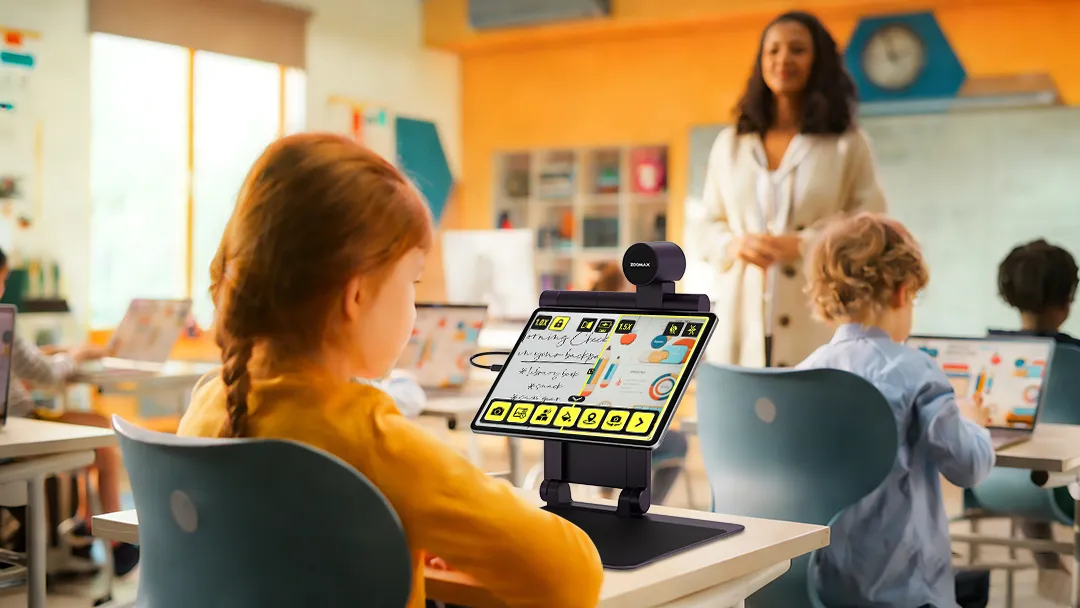
The proof is in the testimonials. A 7th-grade low vision student named Lila shared, “Snow Pad’s split-screen let me see the whiteboard and take notes at the same time; I finally keep up with the class. I don’t have to ask my friends for notes anymore, and that makes me feel so much more confident. Before, I would dread history class because the teacher writes so fast on the board, but now I can catch every word. The text-to-speech feature also helps me with long book chapters—I can listen while I follow along, which makes reading so much easier.” A special education teacher, Miss Candy, added, “The mirroring function is so cool! My students present their work confidently, and parents love the tablet compatibility to save costs. It’s not just a magnifier—it’s a learning tool that grows with the kids. I’ve seen students who used to sit quietly in the back of the class now volunteering to present their projects, and that’s a game-changer for their self-esteem. Optometrists in our district also recommend it highly, because it’s designed with eye health in mind—reducing glare and eye strain during extended use.” Since its launch over a year ago, Zoomax Snow Pad has earned widespread endorsements from optometrists, parents, and educators, all praising its student-first design and its ability to level the playing field for low vision learners. (Optometrist guidelines for student low vision tools)
How to Pick the Best Portable Digital Magnifiers for Your Child
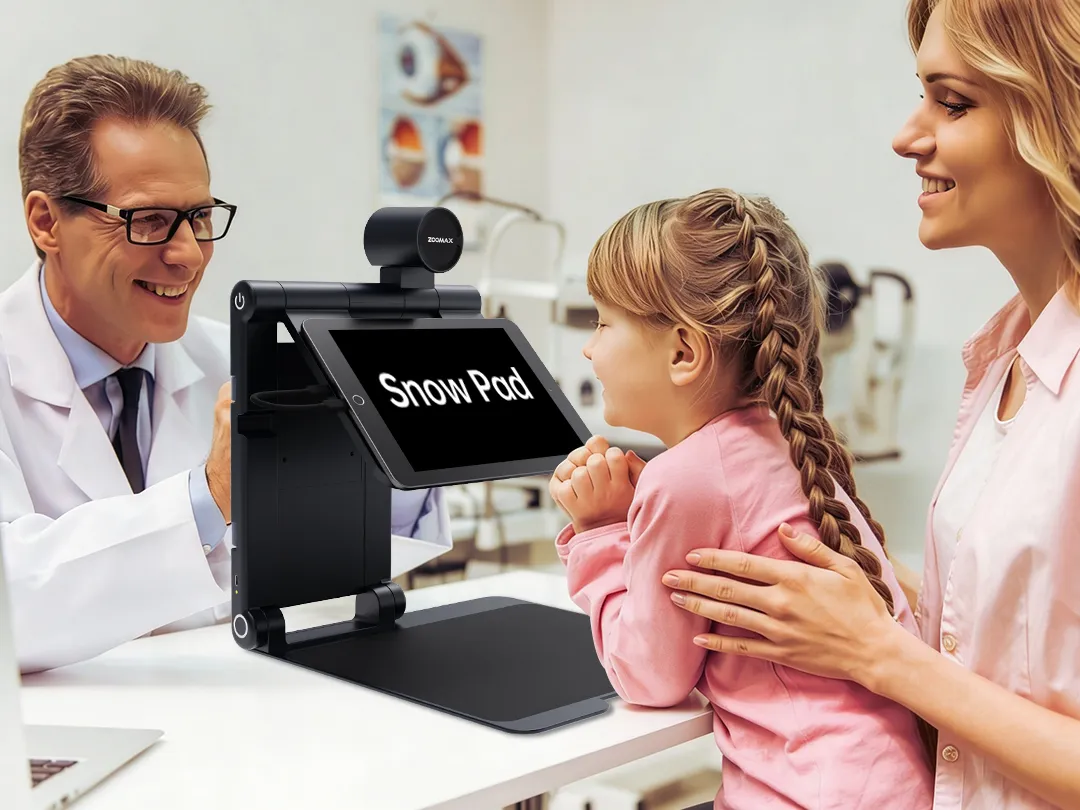
Choosing the right low vision aid for your child doesn’t have to be overwhelming—follow these three simple steps to find a tool that fits their unique needs and supports their academic journey.
- Prioritize student-specific features: Check for portability, split-screen functionality, tablet sync, and offline use. Ask critical questions: Will it fit in my child’s backpack? Can it handle both distant and close-up viewing? Does it work with their existing tablet? These questions narrow options to tools truly built for school life, not repurposed adult devices.
- Arrange in-person trials: Test the magnifier in a real classroom setting, using the same lighting and materials your child encounters daily. Let your child hold it, read a textbook page, view a mock whiteboard, and practice screen sharing. Hands-on testing is the best way to gauge comfort and usability—don’t rush this process.
- Match smart features to classroom tasks:
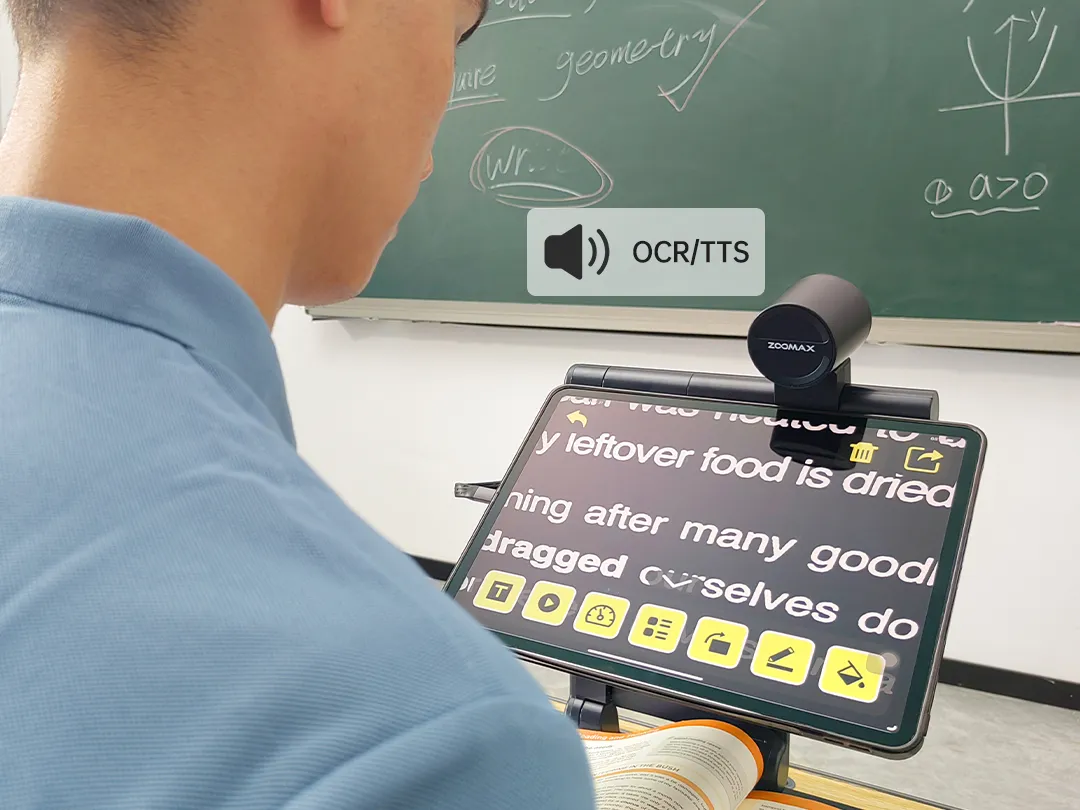
- Prioritize text-to-speech if your child struggles with long readings.
- Opt for screen mirroring if they participate in group projects or presentations.
- Verify file sharing capabilities if they receive digital assignments from teachers.
The best portable digital magnifiers grow with a student’s learning journey, adapting to new classes, new tasks, and new challenges as they move through school. They should be flexible enough to support a 3rd grader learning to read chapter books and a high schooler tackling advanced science textbooks, with features that scale to meet evolving needs.
Conclusion
Low vision students deserve equal access to learning success, and portable digital magnifiers like Zoomax Snow Pad remove key barriers that hold them back. What sets Snow Pad apart is its student-first design—every feature is built to address the unique challenges of classroom life, from split-screen viewing to tablet compatibility and offline usability. Backed by 20 years of R&D and proven by real students and teachers, it’s more than a magnifier; it’s a tool that builds confidence, boosts productivity, and levels the playing field for low vision learners. Unlike generic devices that prioritize adult use cases, Snow Pad is engineered with the chaos, energy, and demands of school life in mind, making it a reliable companion for every class period, every homework session, and every presentation.
We encourage parents, teachers, and optometrists to explore Zoomax Snow Pad and prioritize student trials before making a purchase. Every student has the potential to thrive—with the right tools, vision challenges won’t limit their academic and personal growth. Portable digital magnifiers aren’t just about seeing better; they’re about learning better, participating fully, and embracing every opportunity the new semester has to offer. For low vision students, the right magnifier isn’t just a device—it’s a key that unlocks their potential, letting them step into the classroom with confidence, independence, and the knowledge that they have everything they need to succeed alongside their peers.
FAQ
Frequently Asked Questions about Portable Digital Magnifiers for Low Vision Students
1. Q: Can portable digital magnifiers work with any tablet model?
A: Most student-focused portable digital magnifiers, including Zoomax Snow Pad, are compatible with mainstream iPad and Samsung tablet models. Always check the product specifications before purchasing to ensure compatibility with your child’s device.
2. Q: Do portable digital magnifiers require Wi-Fi to function in the classroom?
A: Not necessarily. The Zoomax Snow Pad is designed for offline use for all core features—split-screen viewing, text-to-speech, and tablet sync—making it ideal for classrooms or school buses with spotty connectivity.
3. Q: How long does it take for a low vision student to learn how to use a portable digital magnifier?
A: Devices like Zoomax Snow Pad leverage familiar tablet interfaces, so students can master basic functions in 1–2 school days. For advanced features like screen mirroring, most students become proficient within a week of regular use.
4. Q: Why is in-person testing important before buying a portable digital magnifier?
A: Classroom lighting, viewing distances, and learning tasks vary widely. Testing lets students ensure the device works with their daily routine—e.g., viewing a teacher’s fast-paced whiteboard notes or reading a textbook’s fine print.
5. Q: Are portable digital magnifiers durable enough for daily school use?
A: Student-specific models prioritize durability, with shock-resistant casings and lightweight designs that withstand being tossed into backpacks, carried between classes, and used in varying environments.