










For business leaders and distributors in the assistive technology sector, understanding the Low Vision Device Market Trends 2026 is no longer just insightful—it’s imperative for strategic planning and long-term success. The landscape is shifting rapidly, driven by demographic forces and technological breakthroughs. This article deciphers the critical data, the underlying drivers, and the pivotal technological inflection point defining the next decade. For B2B partners, aligning with the right manufacturer who not only understands these Low Vision Device Market Trends 2026 but is actively shaping them will be the single most important decision in capturing this wave of growth.
Understanding the Low Vision Device Market Trends 2026: Growth Projections
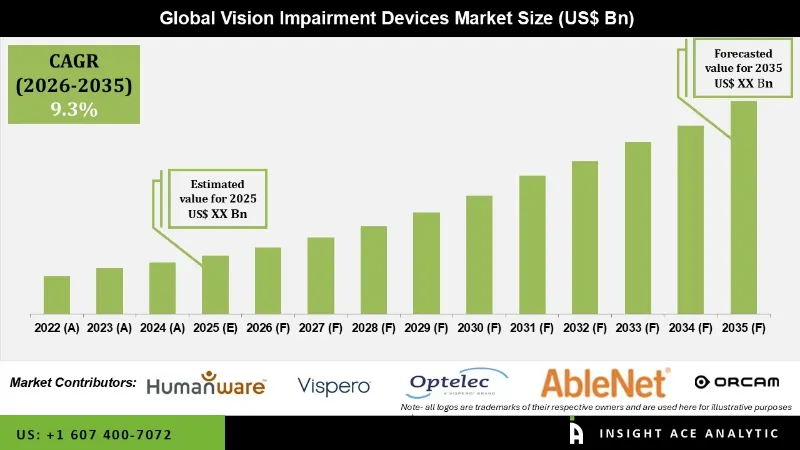
The quantitative outlook for the industry is robust and signals a sustained expansion phase. Market analysis indicates that the low vision device sector is poised for significant growth, with a projected Compound Annual Growth Rate (CAGR) of 9.3% during the forecast period from 2026 to 2035. This forecast builds upon historical data from 2022-2024, pointing to a clear and accelerating upward trajectory for the coming years.
This impressive growth forecast is not occurring in a vacuum. It is fundamentally underpinned by a powerful, global demographic shift: population aging. Particularly in developed nations, but increasingly worldwide, rising life expectancy is leading to a higher prevalence of age-related eye conditions. Diseases such as cataracts, glaucoma, Age-related Macular Degeneration (AMD), and diabetic retinopathy are becoming more common, directly increasing the population in need of visual assistance. This creates a structural, long-term demand driver for effective low vision solutions. The Low Vision Device Market Trends 2026, therefore, represent a response to a profound societal need, ensuring the market’s expansion is deeply rooted and likely to be resilient.

Beyond Magnification: AI as the Heart of Future Low Vision Device Market Trends 2026
While demographic demand provides the fuel for growth, technology is steering the direction. The most transformative force within the Low Vision Device Market Trends 2026 is the integration of Artificial Intelligence (AI). The era of devices offering simple digital magnification is evolving into a new paradigm of intelligent visual interpretation and contextual assistance.
AI-powered features—such as real-time object and currency recognition, text-to-speech with natural language processing, scene description, and facial recognition—are transitioning from novelties to essential user requirements. These capabilities move devices from being purely “visual aids” to becoming comprehensive “visual interpreters,” empowering users with greater independence, safety, and efficiency in daily tasks.
For distributors and business partners, this trend fundamentally alters the criteria for evaluating a manufacturing partner. The key questions now extend beyond optical clarity and screen size. You must ask: Does this supplier have AI-enabled products in the market today? What is the real-world performance and user feedback on these features? Crucially, ask if this company possess the in-house R&D capability in AI and software to continuously develop and integrate new smart functionalities? A supplier’s roadmap for AI is now a direct indicator of its future relevance and its ability to help you, the partner, address evolving customer expectations and unlock new market segments.
Choosing the Right Partner within the Low Vision Device Market Trends 2026
In a market being redefined by technology, the choice of manufacturing partner determines whether your business merely rides the wave or actively surfs ahead of it.
The Risk of Standing Still: When Traditional Strengths Are Not Enough
Many established manufacturers have built strong reputations on superior optics and reliable hardware in traditional electronic video magnifiers. However, some have encountered a strategic bottleneck. Relying solely on these legacy strengths, without aggressive investment in software intelligence and connectivity, risks obsolescence. This stagnation isn’t just a problem for the manufacturer; it directly impacts their distributors. When a product line fails to evolve, it becomes harder to attract new customers, justify premium pricing, or expand into adjacent use cases (like education or professional rehabilitation). The market is already showing signs of this strain, with notable players in the electronic magnifier space undergoing significant restructuring, including large-scale layoffs and financial difficulties. These are clear signals that the old playbook is insufficient for the future defined by the Low Vision Device Market Trends 2026.

The Path to Growth: Partnering with a Future-Ready Leader
The alternative—and the path to sustainable growth—is to partner with a proven manufacturer that is executing a clear vision for the future. Success lies in aligning with a leader that views AI not as a buzzword, but as a core engineering discipline, and that is proactively building the next generation of devices today. Such a partnership provides you with a competitive product portfolio that addresses current and future demand, compelling sales stories centered on innovation, and a shared trajectory toward market leadership.
Zoomax: Your Partner for the Low Vision Device Market Trends 2026
At Zoomax Technology, we have observed these converging Low Vision Device Market Trends 2026 not as a challenge, but as the opportunity we have been preparing for over two decades. Our journey began with electronic video magnifiers, giving us deep domain expertise in the needs of users with low vision. Today, we are leveraging that foundational knowledge to pioneer the intelligent future of assistive technology.
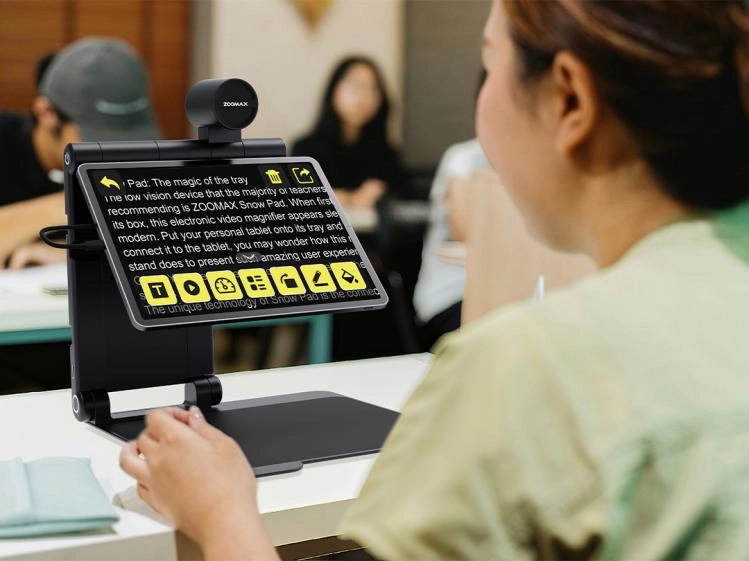
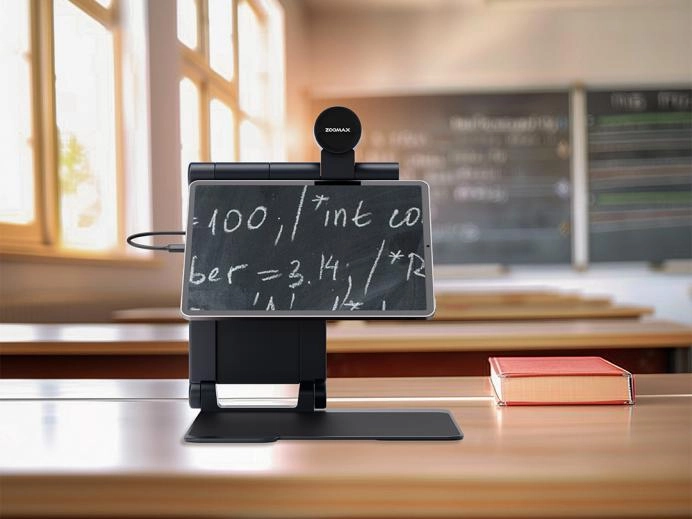
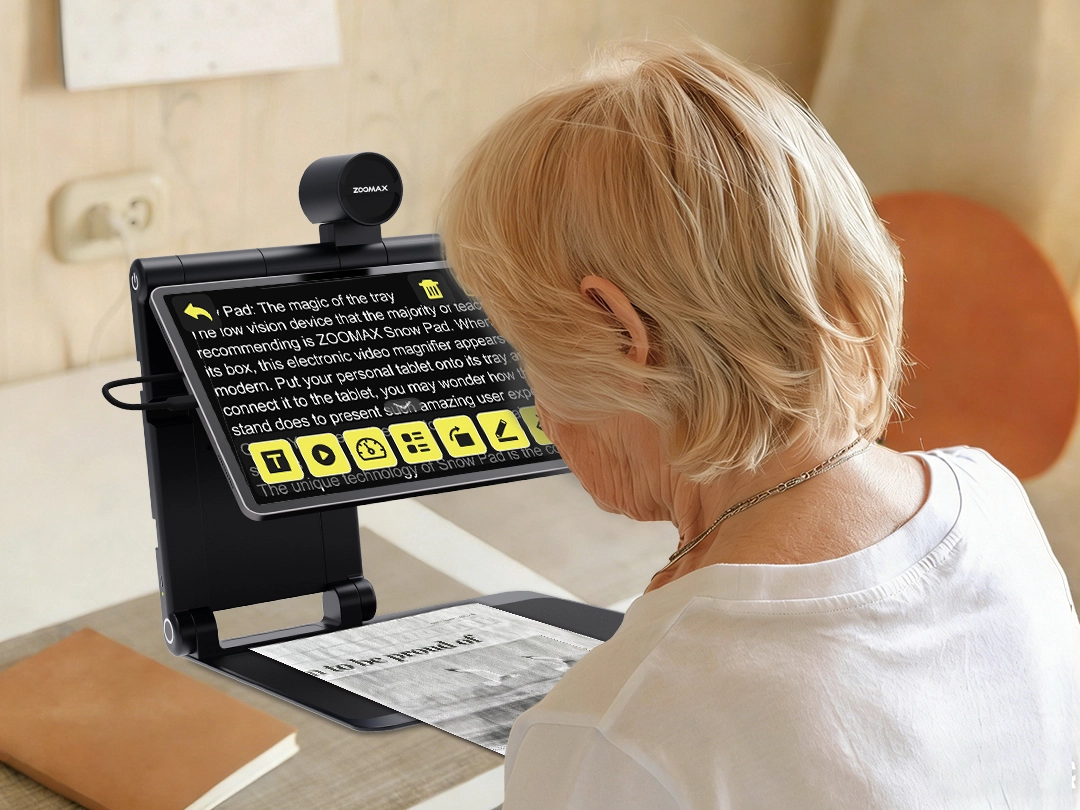
Our commitment to innovation is exemplified by our groundbreaking product, the Snow Pad, launched in 2025. The Snow Pad is far more than a traditional magnifier; it is a versatile tablet-based magnification system. It pioneered the seamless integration of low vision assistive technology with mainstream tablet devices, offering unparalleled portability, compatibility, and user experience. It functions flawlessly both online and offline, and its software-based nature allows for effortless upgrades—a stark contrast to the cumbersome hardware updates of the past.
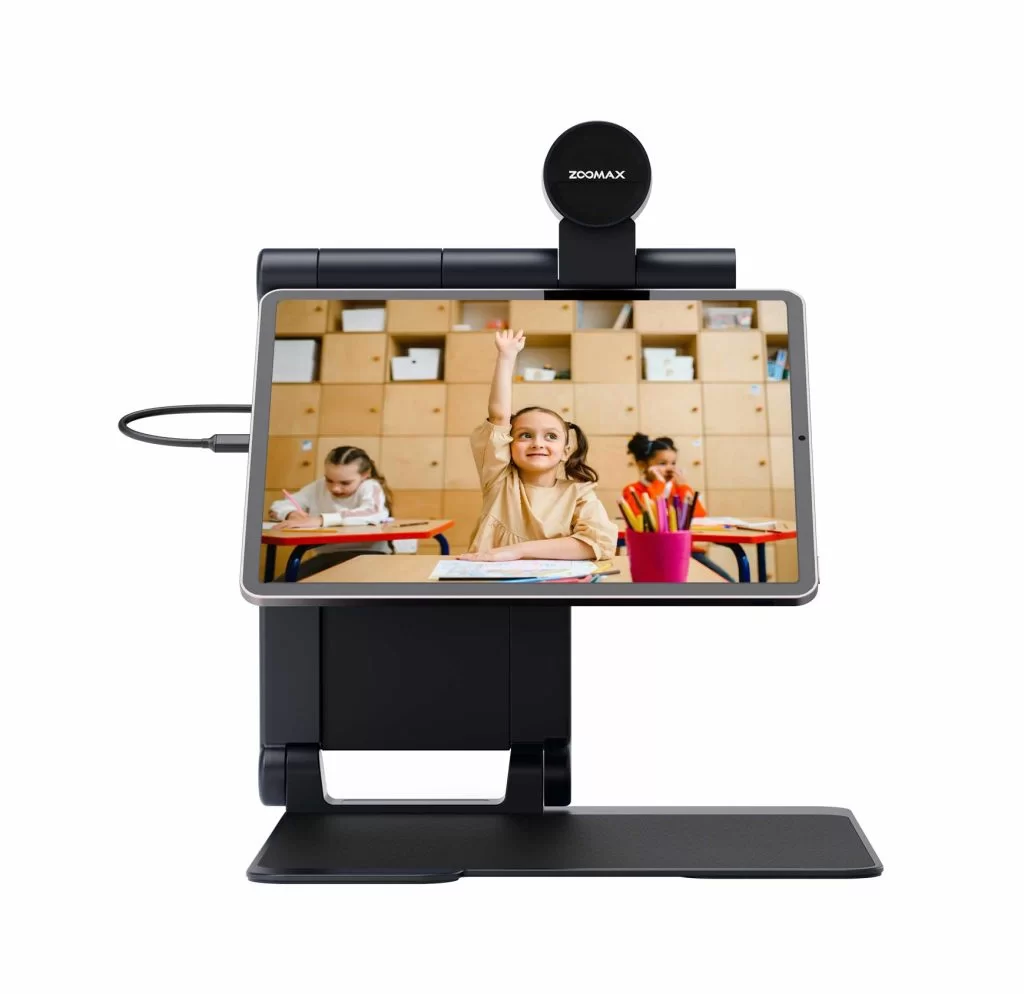
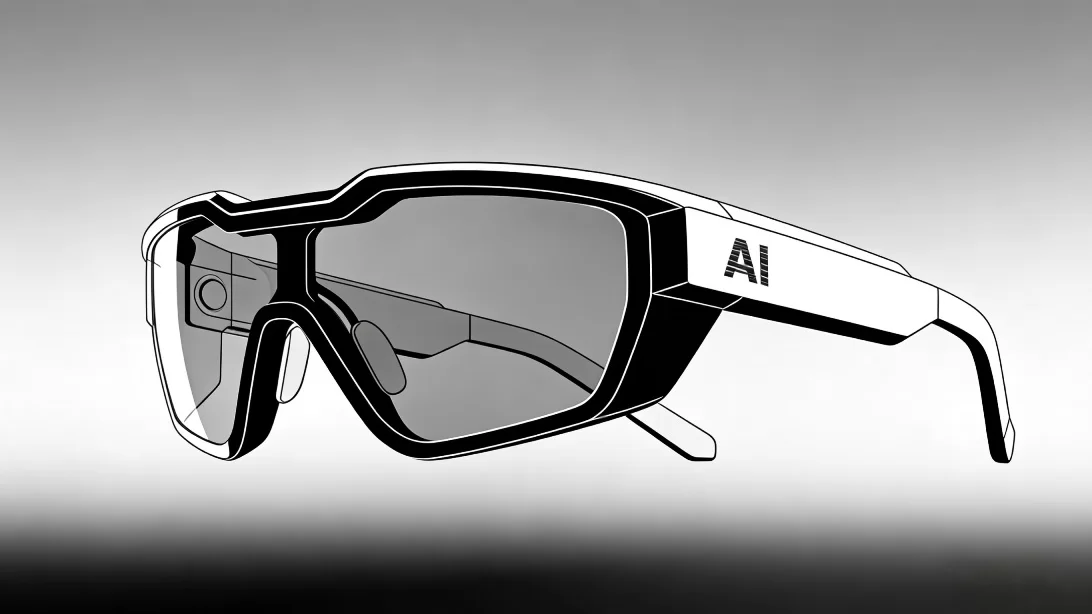
Most importantly, the Snow Pad platform is future-proof. Our R&D team is on the cusp of deploying significant AI functionalities directly to the device. This will transform the Snow Pad from a magnification tool into a comprehensive visual assistant, helping users with reading, identifying objects, navigating spaces, and managing daily informational tasks with unprecedented ease and speed. This is just the beginning. We are actively developing our next-generation head-mounted device, which will integrate further advancements to deliver information more intuitively and comfortably than ever before.
Our mission is to be the industry’s innovator, not a follower. We possess the core technologies, the agile R&D mindset, and the strategic vision to lead the market transformation.
Seize the Opportunity with Zoomax
The Low Vision Device Market Trends 2026 present a decade of remarkable potential. The growth is quantifiable, the demand is structural, and the technological direction is clear. For forward-thinking distributors and business partners, the critical question is: who will you choose to build this future with?
Zoomax is actively seeking partnerships with ambitious, technology-embracing professionals and organizations. Whether you are an established industry player looking to revitalize your portfolio or a new entrant aiming to capture market share with the most advanced solutions, we offer the products, the vision, and the partnership model to achieve mutual growth.
We invite you to move beyond traditional options and explore a partnership designed for the future. Contact the Zoomax team today to learn more about our partner program, our innovative product roadmap including the AI-enhanced Snow Pad, and how we can work together to turn the immense potential of the Low Vision Device Market Trends 2026 into tangible, lasting success.
FAQ: Partnering with Zoomax in the Evolving Low Vision Device Market
Q1: Why are low vision device market trends critical for my distribution business?
Understanding key market trends directly impacts your long-term profitability. With the low vision aid sector projected to grow at 9.3% CAGR (2026-2035), positioning your portfolio around emerging technologies like AI-powered devices ensures you meet evolving customer demands and outperform competitors relying on legacy products.
Q2: How does AI integration transform traditional low vision aids?
AI moves devices beyond basic magnification into intelligent visual assistance. Real-time text recognition, scene description, and object identification enable users to navigate daily tasks—from reading documents to recognizing faces—with unprecedented independence. This technological shift opens new revenue streams in education, workplace accommodation, and senior care markets.
Q3: Why isn’t optical excellence sufficient in today’s low vision device market?
While optical quality remains essential, market leadership now requires smart connectivity and upgradable platforms. Manufacturers lacking AI/software capabilities risk obsolescence, as evidenced by recent industry restructuring. Successful partners need suppliers who deliver both superior hardware and a clear roadmap for intelligent features.
Q4: What differentiates Zoomax from traditional low vision device manufacturers?
As a low vision device innovator, Zoomax uniquely combines 20+ years of optical engineering with agile AI/software development. Our Snow Pad tablet magnifier exemplifies this approach—a future-ready platform designed for seamless AI upgrades, unlike static hardware solutions. We invest in partnership success through joint market development and continuous innovation.
Q5: How does Snow Pad differ from conventional electronic magnifiers?
Snow Pad represents a paradigm shift: a cloud-connected tablet platform that works online/offline with effortless remote updates. Its modular design allows users to upgrade functionality without hardware replacement, while upcoming AI enhancements will deliver real-time visual interpretation—transforming it from a magnifier to a comprehensive visual assistant.
Q6: Can you demonstrate Zoomax’s commitment to AI development?
Our R&D pipeline confirms this commitment:
- Snow Pad’s Q4 2025 AI software rollout for text/object recognition
- Next-generation head-mounted devices with advanced environmental awareness
- Dedicated AI engineering team expanding patented computer vision applications
We provide partners with regular roadmap briefings and beta testing opportunities.
Q7: What support does Zoomax offer new market entrants?
Our Partner Success Program includes:
- Product certification training with CE/ISO compliance guidance
- Co-branded marketing materials and lead generation campaigns
- Protected territories for qualified partners
- Dedicated account management for business development
Q8: How do we initiate a partnership with Zoomax?
Prospective partners can:
- Submit an inquiry through our Partner Portal at zoomax.com/partner-center
- Schedule a market strategy consultation with our partnership team
- Request evaluation units for customer testing
- Co-develop market entry plans with regional support
Q9: What are the minimum requirements to become a Zoomax partner?
We seek partners who:
- Maintain active business registration in healthcare/assistive technology
- Demonstrate capability in B2B or institutional sales channels
- Share our vision for AI-enhanced low vision solutions
- Commit to minimum quarterly order volumes (tiered by region)
Q10: How does Zoomax protect partner interests in competitive markets?
Our partnership framework includes:
- Tiered pricing based on commitment levels
- MAP (Minimum Advertised Price) policy enforcement
- First-to-market advantages for new product launches
- Exclusive technology training and priority technical support
Reference: Vision Impairment Devices Market Size, Share and Trends Analysis 2026 to 2035