











Слабое зрение и вспомогательные технологии: Часто задаваемые вопросы
Вопросы и ответы
Часто задаваемые вопросы о слабовидении и вспомогательных технологиях
Понимание слабого зрения
Что такое слабое зрение? Можете ли вы дать мне авторитетное определение?
Согласно Всемирная организация здравоохранения (ВОЗ) и Американской оптометрической ассоциации (AOA), низкое зрение - это значительное нарушение зрения, которое не может быть полностью исправлено стандартными очками, контактными линзами, лекарствами или хирургическим вмешательством. Люди с низким зрением имеют сниженную остроту зрения (обычно 20/70 или хуже на лучшем глазу с наилучшей коррекцией) и/или значительную потерю поля зрения. Тем не менее, они все еще сохраняют некоторое полезное зрение. Низкое зрение - это не полная слепота. Люди с низким зрением могут испытывать трудности при выполнении повседневных задач, таких как чтение, распознавание лиц, просмотр телевизора или безопасная навигация, поэтому вспомогательные средства и вспомогательные технологии для людей с низким зрением являются важнейшими инструментами для поддержания независимости.
Что означает зрение 20/200? Каковы общие симптомы или зрительные ощущения при таком уровне?
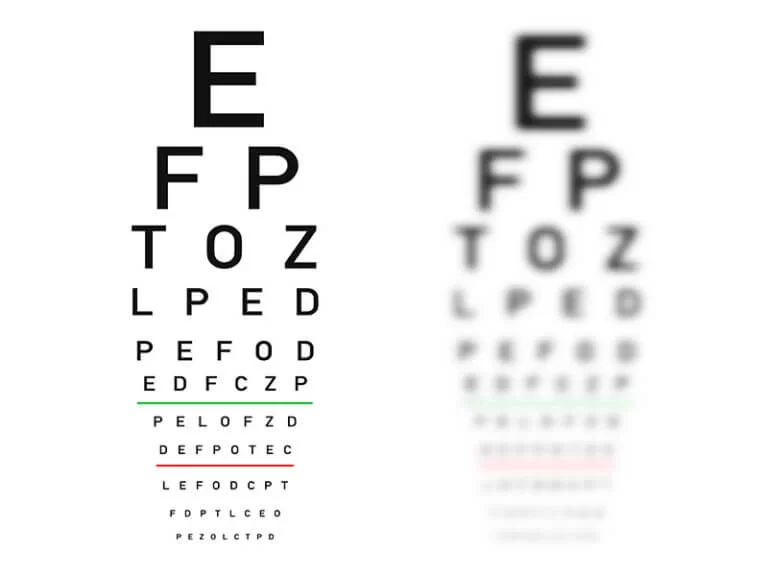
Зрение 20/200 это клиническое измерение, которое означает, что если человек с нормальным зрением (20/20) может четко видеть на расстоянии 200 футов, то человеку со зрением 20/200 для такой же четкости зрения необходимо приблизиться на расстояние 20 футов. Этот уровень зрения является общепринятым критерием для классификации слепых во многих странах, в том числе и в США.
Какие самые распространенные заболевания глаз приводят к снижению зрения?
Низкое зрение обычно вызвано необратимыми заболеваниями или повреждениями глаз. Понимание причины - первый шаг к поиску правильной помощи. К распространенным заболеваниям глаз, вызывающим снижение зрения, относятся:
- Возрастная макулярная дегенерация (ВМД): Вызывает слепые пятна или искажения центрального зрения.
- Диабетическая ретинопатия: Повреждение кровеносных сосудов сетчатки из-за диабета.
- Глаукома: Приводит к постепенной потере периферийного зрения.
- Пигментный ретинит: Генетическое заболевание, вызывающее ночную слепоту и туннельное зрение.
- Катаракта (нелеченая или с плохим послеоперационным зрением): Помутнение хрусталика приводит к нечеткости зрения.
- Атрофия зрительного нерва: Повреждение зрительного нерва, приводящее к потере зрения.
Эти распространенные причины слабого зрения являются основными причинами, по которым люди обращаются за вспомогательными средствами для слабовидящих и электронными видеоувеличителями. Устройства Zoomax разработаны для того, чтобы помочь пользователям справляться с повседневными задачами, несмотря на эти условия.
Может ли возрастная макулярная дегенерация (ВМД) привести к снижению зрения? Как с этим справиться?
Да, возрастная макулярная дегенерация (ВМД) является одной из основных причин слабого зрения у пожилых людей. При этом заболевании повреждается макулярная область, отвечающая за центральное зрение, что приводит к размытости или искажению центрального зрения, которое влияет на чтение, распознавание лиц и повседневную деятельность. Чтобы справиться со снижением зрения, связанным с AMD, используются специализированные электронные лупы для пациентов с AMD (например, такие как Zoomax Snow 12) настоятельно рекомендуются - они улучшают детали центрального зрения благодаря регулируемому увеличению и оптимизации контрастности. Такие функции, как преобразование текста в речь (TTS) и высококонтрастные цветовые режимы, еще больше снижают зрительную нагрузку для пациентов с AMD, использующих вспомогательные устройства для слабого зрения, разработанные специально для макулярной дегенерации.

Как помогают электронные видеоувеличители
Как именно электронная видеоувеличитель может помочь человеку со слабым зрением? Может ли она вылечить глазные заболевания?
. электронная видео лупа это мощное вспомогательное устройство для слабовидящих. В нем используются HD-камера и экран, а также передовые вспомогательные технологии для увеличения и повышения четкости зрения. Важно отметить, что он НЕ лечит глазные заболевания. Его основными преимуществами являются:
- Высокое увеличение: Обеспечивает большее и более гибкое увеличение, чем традиционные оптические лупы, идеально подходит для чтения мелкого шрифта (на бутылках с лекарствами, книгах).
- Режим просмотра и повышение контрастности: Регулируемые настройки контрастности (например, белый на черном, желтый на черном) значительно повышают комфорт чтения, особенно для людей с макулярной дегенерацией.
- Просмотр на расстоянии и вблизи: Многие модели (например, Zoomax Acesight VR и серия Snow) работают как универсальные приборы для слабовидящих как для дальних (просмотр телевизора, работа с доской), так и для ближних задач (чтение, хобби).
- Портативность и возможность подключения: Портативные электронные лупы Они идеально подходят для шопинга и путешествий; некоторые из них могут подключаться к телевизору или монитору для совместного использования экрана.
Для людей, изучающих, как улучшить качество жизни с низким зрением, выбор подходящего электронного видеоувеличителя это решающий шаг.
Какие устройства Zoomax больше всего подходят для студентов?
Для успешной работы в образовательной среде учащимся требуются портативные, универсальные и высокопроизводительные инструменты. Мы рекомендуем Snow 12 с Snow Eye или Snow Pad.
- Snow 12 идеально подходит для чтения учебников, написания заданий и просмотра дистанционных досок (при подключении к Snow Eye) благодаря съемной складной подставке и отличному качеству изображения.
- Snow Pad Планшеты похожи на планшеты и отличаются высокой портативностью, что делает их идеальным решением для студентов, которым необходимо переносить вспомогательное оборудование из класса в класс, продолжая пользоваться своими личными планшетами. Функция разделения экрана (одновременный просмотр на близком и дальнем расстоянии) очень нравится ученикам в классе.
Каковы лучшие решения Zoomax для людей с ослабленным зрением?
Для пожилых пользователей мы уделяем особое внимание простоте использования, интуитивно понятным физическим кнопкам и визуальному комфорту. Сайт Luna 6 и Luna 8 являются нашими главными рекомендациями. Эти устройства имеют сложные меню. Модель Luna 6 невероятно легка для карманных задач, таких как чтение этикеток или меню, а Luna 8 обеспечивает большую площадь обзора для комфортного длительного чтения газет и книг без напряжения глаз.
Какие продукты Zoomax рекомендуются для работающих профессионалов?
Профессионалам часто приходится работать с большими объемами документов и интегрировать свои вспомогательные устройства в современные офисные системы. Мы рекомендуем Snow Pad и наш Носимые серии (такие как Acesight VR Очки).
- Snow Padслужит мощным инструментом рабочей станции, позволяющим эффективно сканировать документы и работать в многозадачном режиме. Он даже может зеркально отображать Powerpoint или любой другой контент, когда профессионалы проводят презентацию.
- Zoomax Очки виртуальной реальности Acesight обеспечивают свободу рук, что очень важно для выполнения таких задач, как работа за компьютером, участие в совещаниях или перемещение по офисному пространству, сохраняя при этом естественную осанку и профессиональный вид.
Какие устройства для слабовидящих Zoomax оснащены функциями OCR и преобразования текста в речь (TTS)?
Если вы предпочитаете слушать печатный текст, а не читать его, то Snow 12 и Snow Pad это наши лучшие устройства с расширенными возможностями оптического распознавания символов (OCR) и преобразования текста в речь (TTS).
- Эти устройства могут сканировать целые страницы текста и читать их вслух на нескольких языках с высокой точностью.
- Пользователи могут регулировать скорость и громкость чтения, что делает эти инструменты незаменимыми для просмотра длинных материалов, таких как романы или сложные профессиональные отчеты, без зрительного напряжения.

Выбор правильных вспомогательных средств
Как выбрать подходящий прибор для слабовидящих для себя или члена семьи?
Выбор лучшего вспомогательные технологии для слабовидящих предполагает учет нескольких факторов. Следуйте этому руководству, чтобы принять обоснованное решение:
- Определите основные потребности: Для чего он предназначен: для чтения, просмотра на расстоянии или использования в дороге? Это определяет, нужно ли вам портативное, настольное или накладное устройство.
- Оцените состояние зрения: Различные заболевания глаз (например, потеря периферического зрения или центральная скотома) могут потребовать таких особенностей, как изменение контраста или широкое поле зрения.
- Учитывайте простоту использования: Прост ли прибор в управлении? Понятен ли интерфейс? Для пожилых людей физические кнопки зачастую проще, чем сложные сенсорные экраны.
- Попробуйте, прежде чем купить: Мы настоятельно рекомендуем опробовать прибор для слабовидящих перед покупкой. Zoomax предлагает подробное руководство в режиме онлайн и советует посетить местную клинику для слабовидящих или специалиста для профессиональной оценки и практической демонстрации.
- Бюджет и характеристики: От простых портативных цифровых луп до современных многофункциональных устройств, Zoomax предлагает ряд продуктов по разным ценам для удовлетворения различных потребностей людей с ослабленным зрением.
Если вам нужна дополнительная помощь в выборе видеоувеличителя, наша команда экспертов готова провести индивидуальную консультацию.
Почему среди множества брендов я должен выбрать товары для слабовидящих Zoomax?
Выбор Zoomax означает партнерство с целенаправленным, инновационным и ориентированным на пользователя брендом. Наши ключевые преимущества включают:
- Специализированная экспертиза: Мы специализируемся исключительно на инновационных технологиях для слабовидящих. Мы глубоко понимаем ежедневные проблемы людей с ослабленным зрением, поэтому наши продукты разработаны для использования в реальных условиях.
- Передовые технологии: Zoomax постоянно внедряет передовые технологии, такие как интеллектуальная обработка изображений и удобные интерфейсы, обеспечивая надежную работу наших электронных луп и превосходные впечатления.
- Широкий ассортимент продукции: Мы предлагаем полномасштабные решения для использования дома, на работе и на улице - от ультрапортативной серии Snow до универсальной серии Luna - для удовлетворения различных потребностей в помощи слабовидящим.
- Глобальное обслуживание и поддержка: Являясь всемирно признанным брендом, мы предоставляем квалифицированные предпродажные консультации, исчерпывающие руководства по настройке и надежное послепродажное обслуживание, обеспечивая поддержку по всему миру.
- Доказанное доверие пользователей: Пользователи в более чем 80 странах доверяют Zoomax, и их отзывы стимулируют наше постоянное совершенствование. Посетите наш сайт “Отзывы пользователей”, чтобы прочитать подлинные отзывы и истории о приборах для слабого зрения.
Выбор Zoomax - это не просто покупка продукта; это выбор долгосрочного партнера, стремящегося повысить вашу независимость и качество жизни. Нажмите, чтобы узнать больше о Zoomax Technology.
К кому обращаться по вопросам послепродажного обслуживания и ремонта продукции Zoomax?
Zoomax имеет обширную сеть Авторизованные дилеры по всему миру. Для получения технической поддержки, обслуживания или ремонта мы рекомендуем обращаться к местному дилеру, у которого вы приобрели устройство. Они предоставят профессиональные консультации и услуги на месте или в регионе, чтобы ваше устройство продолжало работать наилучшим образом.
Свяжитесь с нами чтобы найти местного дилера.
Имеют ли продукты Zoomax право на государственные субсидии или страховое покрытие?
Во многих странах приборы для слабого зрения Zoomax входят в комплект программы государственных закупок или имеют право на специальные субсидии по инвалидности. Поскольку политика зависит от региона, мы рекомендуем обратиться к местному авторизованному дилеру. Они предоставят подробные инструкции по процессу подачи заявки и помогут определить, имеете ли вы право на полное или частичное финансирование, минимизируя ваши расходы.
Мы также поможем вам найти местного официального дилера. Свяжитесь с нами прямо сейчас.
Могу ли я попробовать продукцию Zoomax в глазной больнице, клинике или центре слабого зрения?
Да, безусловно. Продукция Zoomax широко доступна для демонстрации в различных профессиональных учреждениях. Мы рекомендуем обратиться в клиника слабого зрения, глазная больница или специализированный центр реабилитации зрения в вашем регионе, чтобы узнать, есть ли у них устройства Zoomax для тестирования. Получив подтверждение, вы можете запланировать индивидуальную демонстрацию, чтобы узнать, как наша технология соответствует вашим конкретным потребностям в области зрения, прежде чем совершить покупку.