












Diabetes-Related Eye Diseases
Learn about diabetes-related eye diseases like retinopathy and DME. Discover symptoms, prevention tips, and how Zoomax low vision aids improve quality of life.
Learn about diabetes-related eye diseases like retinopathy and DME. Discover symptoms, prevention tips, and how Zoomax low vision aids improve quality of life.
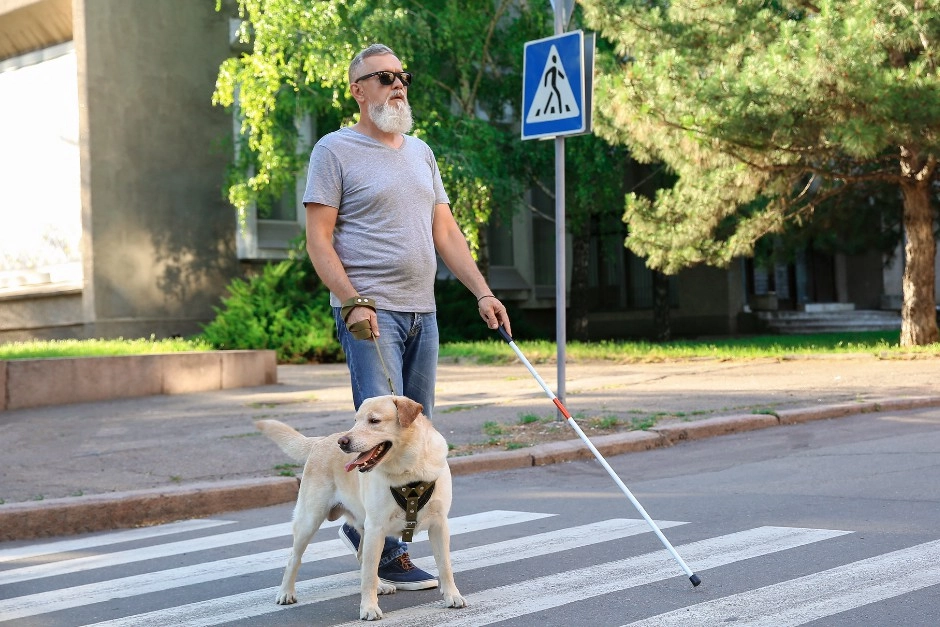
Legal blindness is more than just visual impairment; it is an important legal classification that can have a substantial impact on a person’s life. In this article, we’re going to look at what legal blindness is, what causes it, and how to get help for individuals who are affected.

In this article, we’re about to embark on a journey into the realm of eye safety at home. We’ll explore how the familiar surroundings of your daily life can pose unforeseen risks to your precious eyesight.
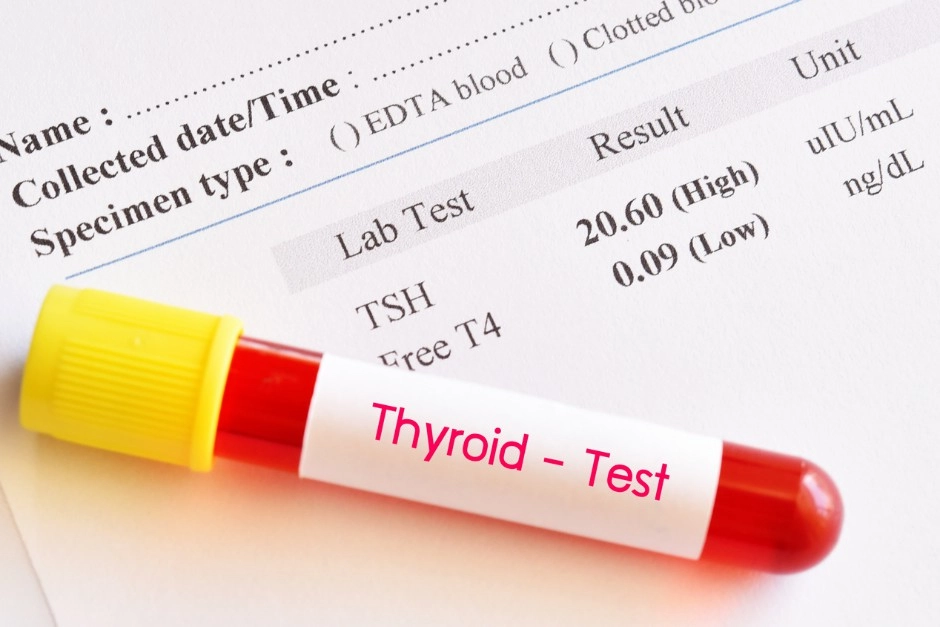
This article examines Thyroid Eye Disease (TED), including its causes, symptoms, and effects on vision. It explores whether TED can lead to 20/200 vision and discusses the role of low vision aids, such as digital magnifiers, in supporting those affected.
This article delves into the critical link between eye health and performance at work, including tips for protecting your eyes and increasing productivity.

Unlock the power of peripheral vision! Learn its vital role in safety and balance, discover effective vision exercises, and explore how Zoomax low vision aids help regain independence.
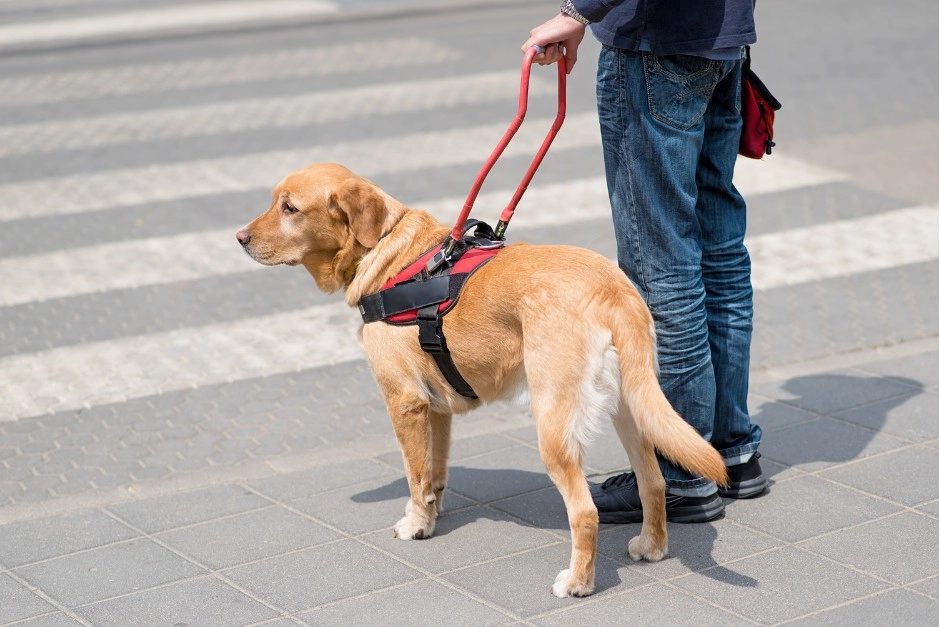
Learn how to choose the right guide dog breed, understand eligibility criteria, and explore the application process for the visually impaired. Discover how guide dogs and Zoomax low vision aids work together to restore independence.

In this article, we’ll explore the different types of vision loss, discuss the importance of open communication with educators, delve into the creation of a supportive and inclusive learning environment, and discover how modern assistive technology can revolutionize their educational experience.
One of the major misconceptions about visual impairments is that it means someone cannot see at all. In fact, while many people with vision problems will be said to have 20/200 vision, the actual range of sight issues they have can vary quite considerably. For some people it may mean complete loss of sight, but for others, it can mean a wide range of issues that severely restrict their vision in different ways. One of the more common of those is peripheral vision loss, which is often referred to as tunnel vision. But what is peripheral vision, what causes the loss, and how can we prevent it?
Reading is one of life’s great pleasures, whether you are learning something new or being transported into a fictional world, it has an ability to expand your life in so many ways. There have always been challenges for low vision people to read books and other written materials, but with the availability of assistive technology for the visually impaired, most can be overcome today.