








Visual Aid Blog
Micro-Fitness: Mastering Health in the Bits and Pieces of Your Day
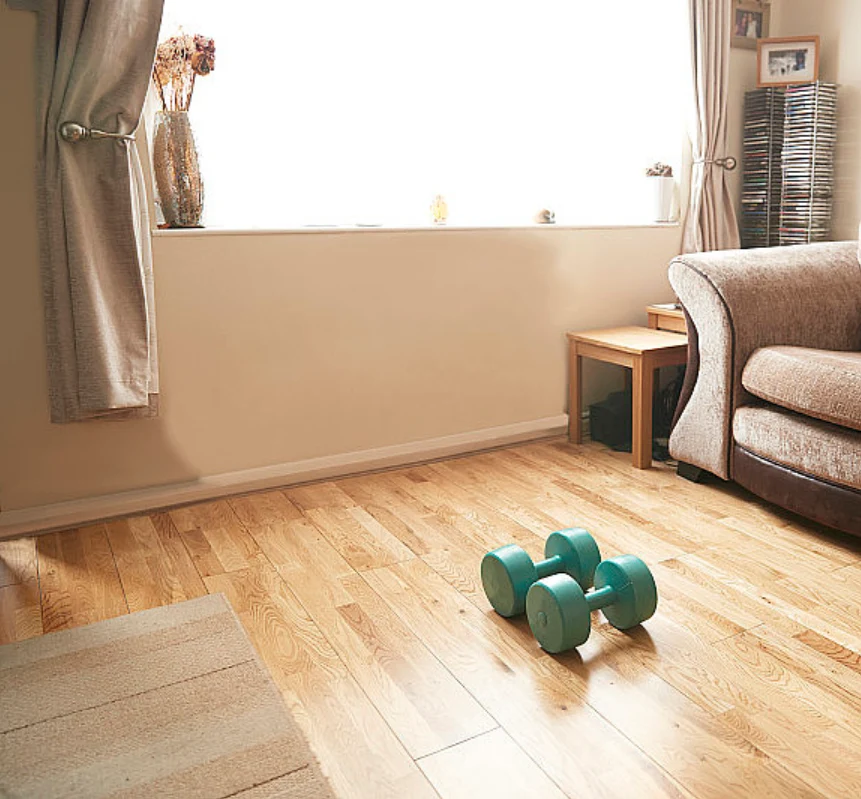
What is Micro-Fitness? Micro-fitness is a health management approach that involves engaging in physical activity during short time segments, typically lasting 5-10 minutes or even less. Its core idea is to make use of fragmented time in daily life—such as breaks between work tasks, waiting for the bus, or watching TV—to perform simple exercises like jumping, squats, or stretching. This method is especially suitable for people who struggle to find large blocks of time for traditional long-duration workouts, including busy
From Sci-Fi to Reality: Manus and the Wild Future of AI Agents
The question of the first global AI agent is complex, but it seems likely that Manus, launched in March 2025 by the Chinese startup Butterfly Effect, is a key contender. It can autonomously handle tasks like creating travel itineraries or analyzing stocks, drawing global attention (MIT Technology Review). Earlier systems, like ELIZA from the 1950s, are sometimes mentioned, but Manus is seen as a general AI agent, a step forward in autonomy. Future Outlook for AI Agents Looking ahead, AI
Money and Happiness: The Path to Success Beyond Wealth
The Interplay of Money, Success, and Happiness From ancient times to the present, money has always been a complex and sensitive topic in human society. Many people believe that money is a symbol of success, and wealth is the source of happiness. But is this really the case? Can money truly measure a person’s success? Does wealth genuinely affect our physical and mental well-being? This article will explore these questions by drawing on the wisdom of famous books, aiming to
AMD MI350 vs. NVIDIA Blackwell: A Comparative Analysis of Next-Generation Chips
How Two Tech Giants Are Shaping the Future of AI and Accessibility In the high-stakes race for dominance in AI and high-performance computing (HPC), AMD and NVIDIA are set to clash with their latest innovations: the AMD MI350 and NVIDIA Blackwell chips. This showdown isn’t just about raw power—it’s about redefining accessibility, efficiency, and the very fabric of technological progress. Let’s dive into how these next-gen chips stack up, why they matter for industries like healthcare and low-vision assistive technologies,
Technological Advancements: How Smart Devices Improve the Quality of Life for AMD Patients
Age-related Macular Degeneration (AMD) is one of the leading causes of vision loss among individuals aged 50 and older, significantly affecting daily activities such as reading, driving, and facial recognition. With the global population aging, the prevalence of AMD is steadily increasing. As of 2024, approximately 11 million people in the United States are affected by AMD, accounting for about 12% of the population aged 50 and older. In the U.S., AMD is the primary cause of visual impairment, particularly
The Emerging Dream-Sharing Platforms: When Your Nightmare Becomes Someone Else’s Creative Material – Psychological and Technological Explorations for Low-Vision Users
Throughout human history, the concept of “dream sharing” has captivated our imagination. From the multi-person dream scenarios in the movie Inception to real-world scientific attempts to establish communication during sleep, dream-sharing technology is moving from science fiction to reality. Dream sharing refers to the use of advanced technological methods to allow multiple individuals to perceive, communicate, and even participate in each other’s dreams. In 2024, remarkable breakthroughs have been made in this field: researchers have utilized brain-computer interface (BCI) technology,

The Phenomenon of Digital Side Dishes: Why Do We Need Dining Videos?
In modern society, eating is no longer just about “filling the stomach.” The companionship at the dining table has gradually shifted from family and friends to screens. With the widespread use of smartphones, more and more people have developed the habit of watching videos while eating, creating a unique phenomenon—“dining videos.” Behind this behavior lies not only the demand for food but also insights into social, cultural, and psychological changes. Today, we explore this phenomenon and analyze how “digital side

The New Trend of Smart Digital Healthcare – Low-Vision Patients May “No Longer Need to Visit Hospitals”
In the wave of smart digital healthcare, the way low-vision patients receive care is undergoing a dramatic transformation. With the rapid development of technology, especially in telemedicine and smart devices, low-vision patients no longer need to frequently visit hospitals to access convenient medical services. These new technologies not only provide more accessible medical care for low-vision patients but also effectively alleviate the challenges and pressures they face in the healthcare process. (As of 2025, the smart healthcare industry continues to

The Maturation of Humanoid Robots: Vision May No Longer Be a Barrier to Life in the Future
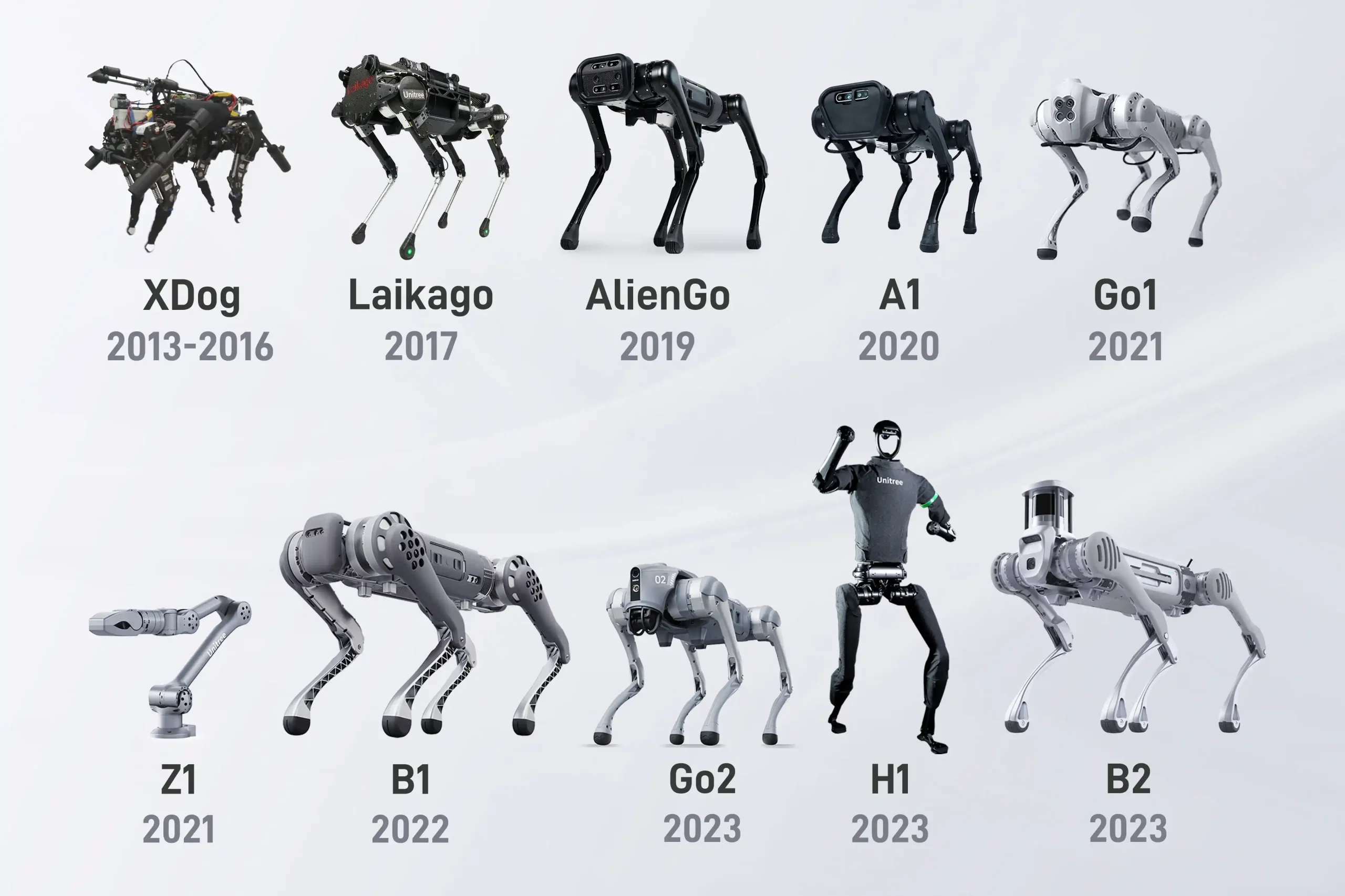
In recent years, humanoid robots have evolved from a science fiction concept to a rapidly developing reality. These robots, capable of mimicking human movements, are no longer confined to movies or research labs. As technology advances, humanoid robots are becoming increasingly integrated into everyday life, offering new possibilities for people with low vision. With the rise of artificial intelligence (AI) and robotic systems, vision may no longer be an obstacle for leading a fulfilling, independent life. How Technology is Changing
2025 Global Chip Rankings and Their Applications in the Low-Vision Field
1. Global Chip Rankings for 2025 In 2025, the global chip market continues to be driven by cutting-edge technologies that power everything from smartphones to advanced medical devices. Below is the ranking of the top 20 global chips, highlighting their model name, performance score (benchmarks): For laptops: Figure 1. Laptop chip rankings (2025). NanoReview. Retrieved February 20, 2025 For smart phones Figure 2. smart phone chip rankings (2025). NanoReview. Retrieved February 20, 2025 2. Future Prospects in the Low-Vision Field The