








Visual Aid Blog

The Maturation of Humanoid Robots: Vision May No Longer Be a Barrier to Life in the Future
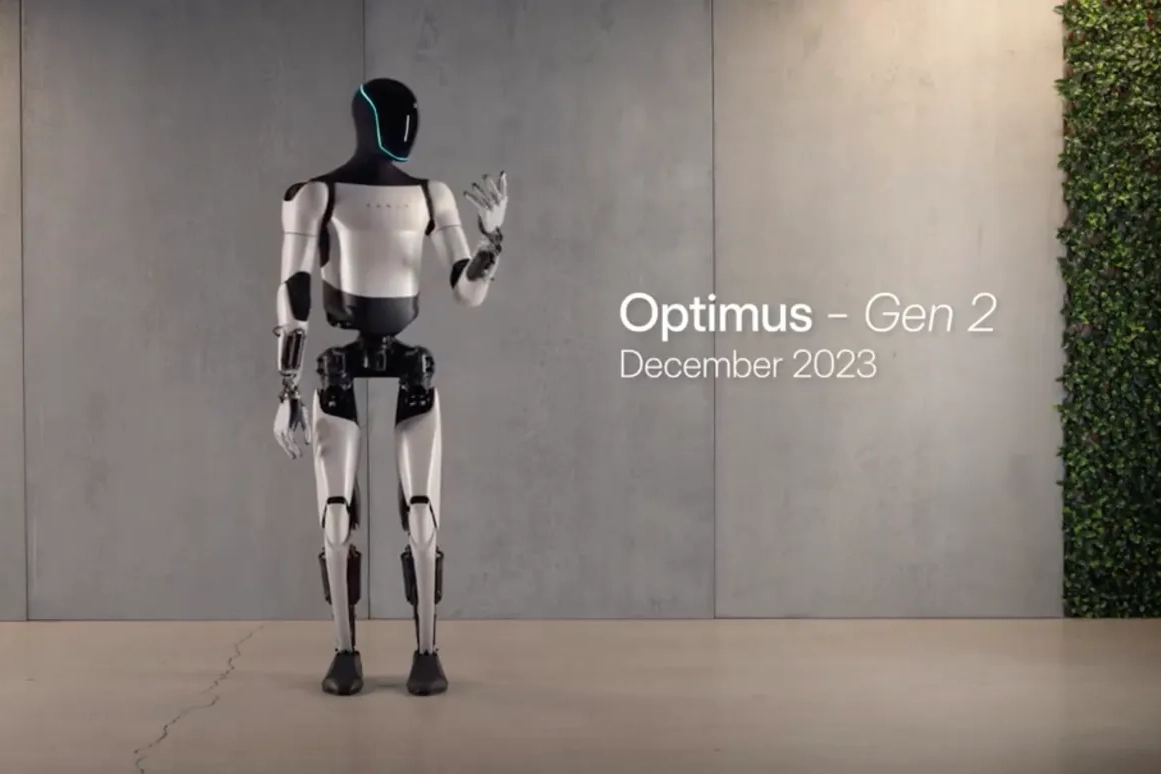
In recent years, humanoid robots have evolved from a science fiction concept to a rapidly developing reality. These robots, capable of mimicking human movements, are no longer confined to movies or research labs. As technology advances, humanoid robots are becoming increasingly integrated into everyday life, offering new possibilities for people with low vision. With the rise of artificial intelligence (AI) and robotic systems, vision may no longer be an obstacle for leading a fulfilling, independent life. How Technology is Changing
2025 Global Chip Rankings and Their Applications in the Low-Vision Field
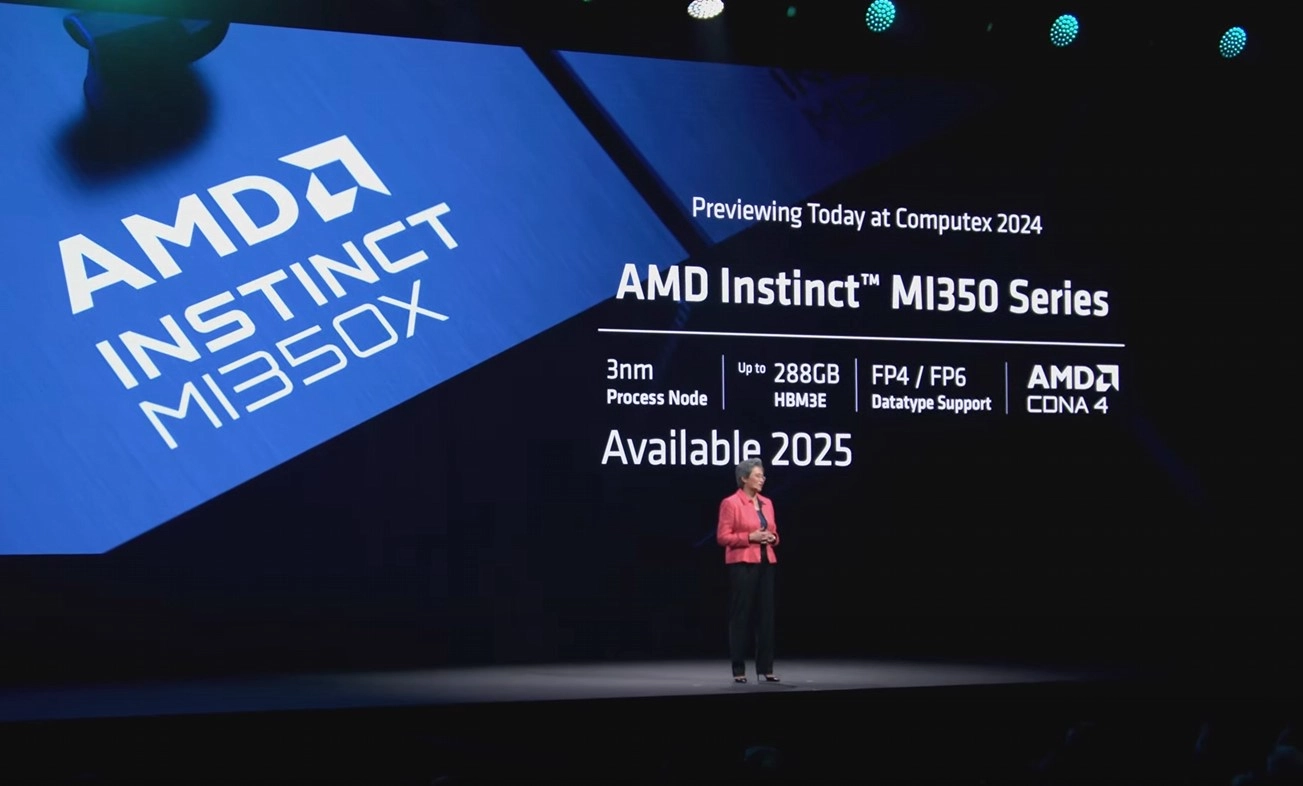
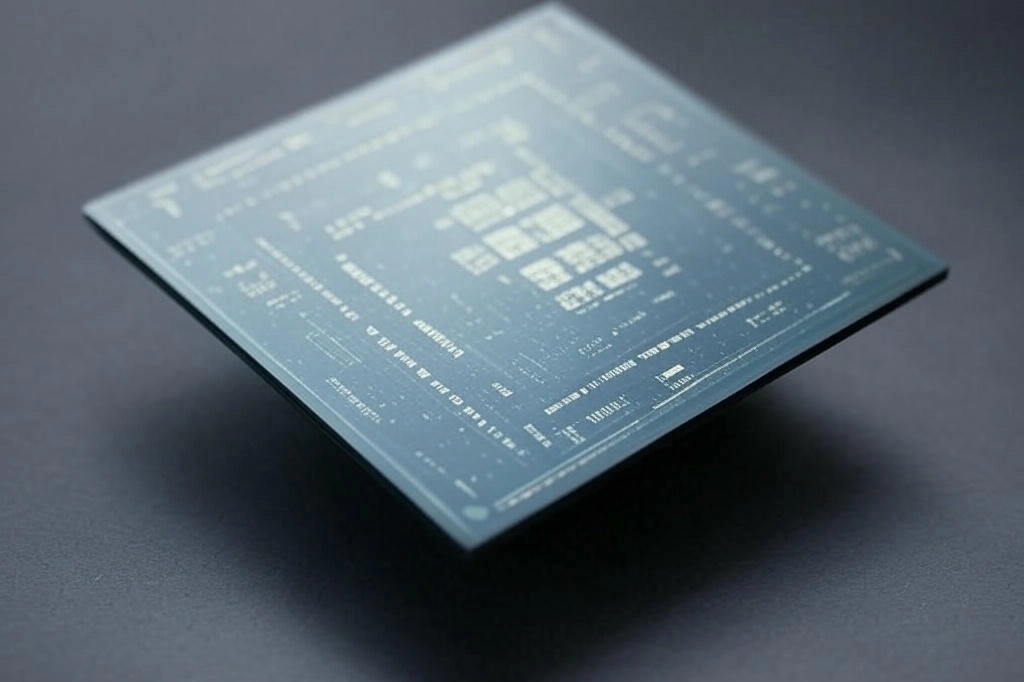
1. Global Chip Rankings for 2025 In 2025, the global chip market continues to be driven by cutting-edge technologies that power everything from smartphones to advanced medical devices. Below is the ranking of the top 20 global chips, highlighting their model name, performance score (benchmarks): For laptops: Figure 1. Laptop chip rankings (2025). NanoReview. Retrieved February 20, 2025 For smart phones Figure 2. smart phone chip rankings (2025). NanoReview. Retrieved February 20, 2025 2. Future Prospects in the Low-Vision Field The
Exemplary Countries in Global Ecological Environmental Protection: The Top 10 Green Countries and Their Successful Experiences
As global ecological issues become increasingly severe, more and more countries are implementing green development strategies. These countries not only protect the Earth’s environment but also provide spaces where we can relax and reconnect with nature, enjoying magnificent scenery that pleases the eyes, while also calming the mind and body. In this article, we will explore the top 10 green countries globally, learn about their successful experiences, and discover how these nations offer opportunities for both visual and mental relaxation,

The Intersection of Accessibility and Finance: How Low Vision Solutions Can Become a Growth Engine
With the rapid advancement of technology and the global aging population, low vision and visual impairments have become increasingly important issues for many individuals and societies worldwide. According to the World Health Organization (WHO) 2024 report, approximately 250 million people globally are affected by low vision or visual impairments. As technology continues to improve, the quality of life for people with low vision has significantly enhanced, and the market for low vision assistive technology is witnessing unprecedented growth opportunities. Low

How AI Empowers Low-Vision Individuals: The Application and Impact of Innovative Tools
In recent years, artificial intelligence (AI) has rapidly advanced and permeated various aspects of our lives, offering innovative solutions that were once considered science fiction. Among these, AI-powered assistive technologies for low-vision individuals have emerged as a transformative force. By harnessing the power of smart chatbots, image optimization, and multi-modal devices, these innovations are redefining the way low-vision users access information, navigate their environments, and express themselves. 1: AI Chatbot Systems and LMArena Ranking Analysis 1.1 The LMArena Leaderboard and

The End of Dark Matter and Dark Energy? How New Discoveries Inspire Us in Life!
Do you remember how scientists once told us that 68% of the universe is made of mysterious dark energy, which drives the accelerated expansion of the universe? And another 27% is dark matter, invisible but playing a key role in keeping galaxies together? Well, recently, a 2024 study revealed that these long-held theories might need to be completely overturned! Isn’t that shocking? What we thought was the backbone of the universe might actually just be a misconception. Scientists are now
The Beauty of the Universe and Visual Limitations: How Technology Helps Low Vision Patients Enjoy the Night Sky
The vast universe and the twinkling stars have always been a source of wonder and inspiration for humanity. However, for low vision patients, appreciating the beauty of the night sky can be a challenge. With advancements in technology, these limitations are gradually being overcome. Whether through assistive devices, astronomy applications, or a combination of virtual reality and artificial intelligence, low vision individuals can now experience the mystery and splendor of the cosmos. This article explores how technology helps low vision
Research on Brain-Computer Interface Technology is Rapidly Advancing
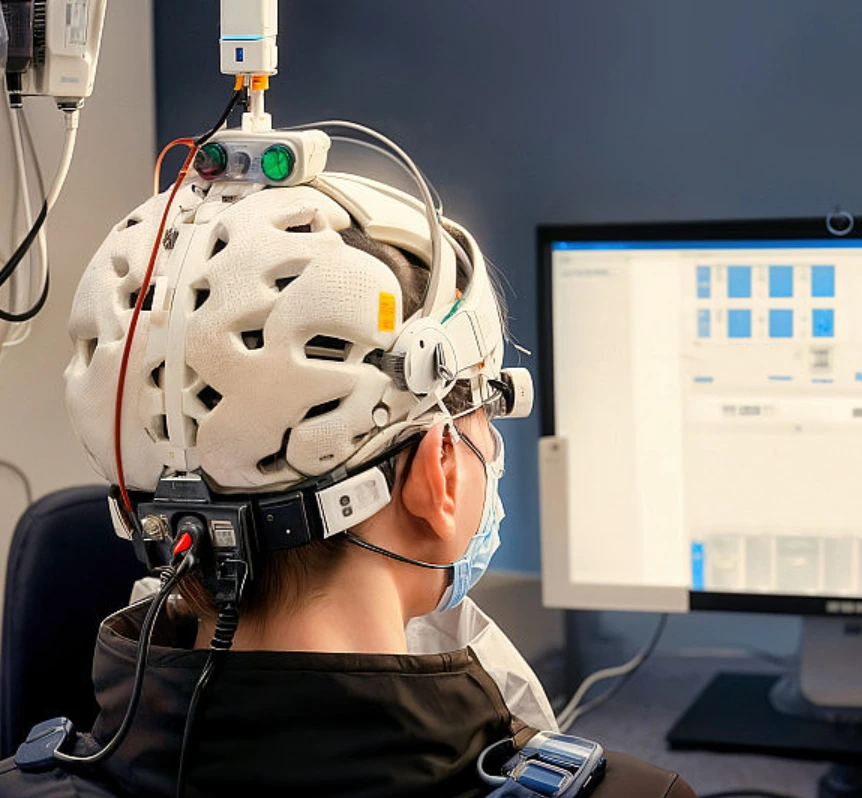
In recent years, Brain-Computer Interface (BCI) technology has become a hot topic in scientific research and innovation. By connecting the human brain with computers to enable two-way information exchange, this technology is reshaping the development landscape of healthcare, education, entertainment, and more. In the realm of assistive technology for individuals with low vision, BCI holds great promise. In the future, it may even stimulate skin sensory areas or the visual cortex, helping people with low vision to “see” visual information
Breaking the Language Barrier: How Zoomax Devices Help Low Vision Users Master New Languages
The globalized world is like a grand party where everyone speaks different languages, but we all want to “get along.” Language is the key to communication, but for low vision individuals, the road to learning new languages can feel like getting “lost.” But don’t worry, Zoomax devices are like a professional guide, helping you navigate through the visual fog and smoothly swim in the sea of cross-cultural exchange. Language Learning: The “Superpower” That Works Globally If you think knowing a
Alien Adventures: A Visionary Life for Low-Vision Users in Lunar and Martian Habitats
What if one day, we could pack our bags, hop on a spaceship with our family, and fly straight to Mars? Imagine a place without traffic jams, noisy cities, or long queues at trendy restaurants—just vast starry skies and breathtaking alien landscapes. Of course, what could be more exciting than this, except for one question: how would we live? The Mars colonization plans don’t seem so far off; scientists are diligently working to solve these problems. But right now, perhaps