
Glaucoma
What Is Glaucoma?
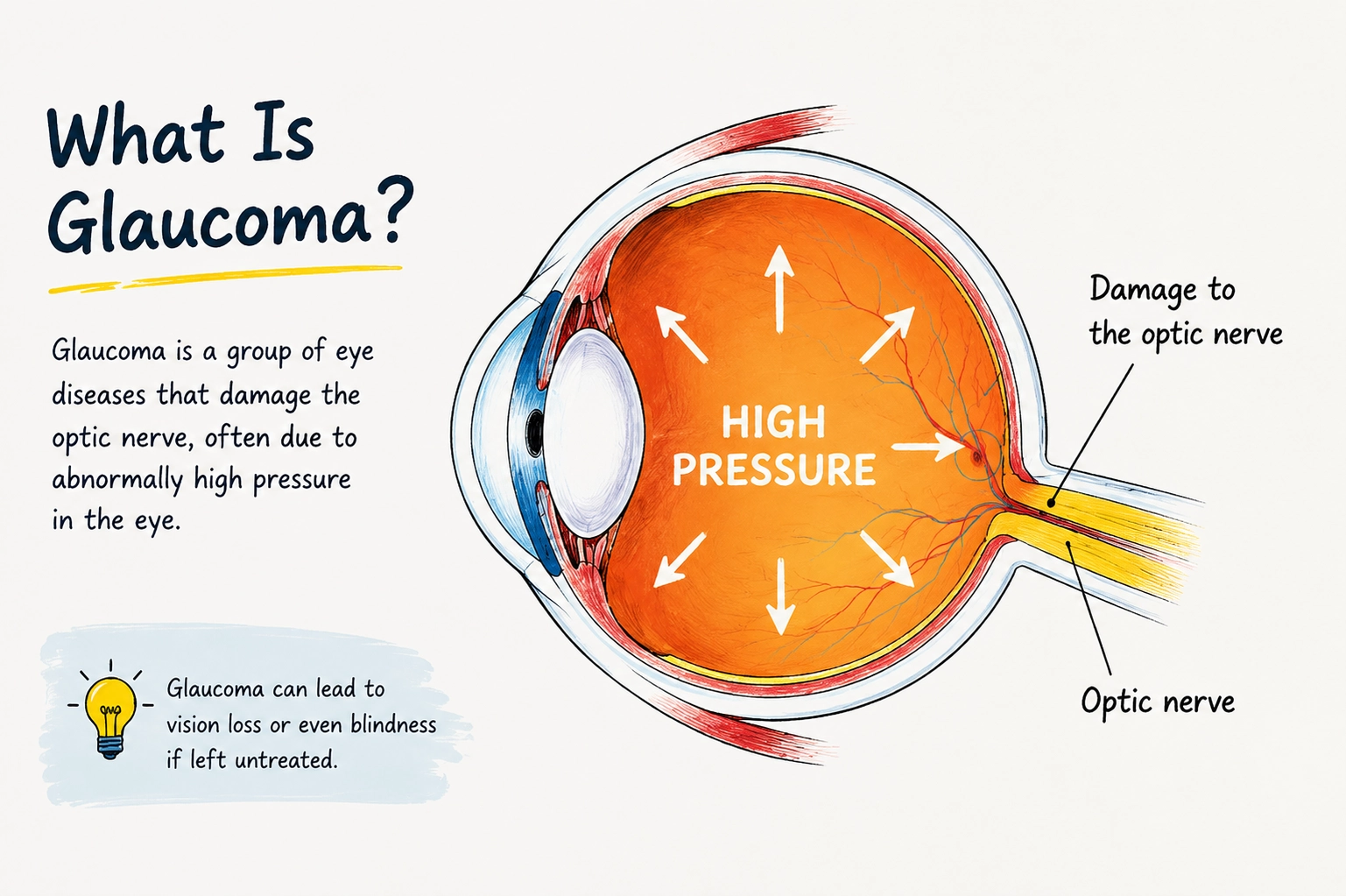
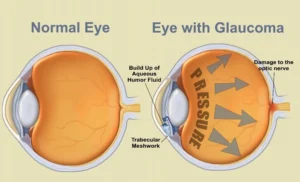
Glaucoma is a group of progressive eye diseases that damage the optic nerve, which carries visual information from the eye to the brain. This damage is often permanent and can lead to irreversible vision loss.
While glaucoma is commonly associated with increased intraocular pressure (IOP), it can also occur with normal eye pressure. The disease often develops slowly without noticeable symptoms, first affecting peripheral vision before central vision.
Known as the “silent thief of sight,” glaucoma can progress unnoticed for years. Early detection and proper management are essential to help protect remaining vision.
What Causes Glaucoma?
Glaucoma occurs when the optic nerve becomes damaged, leading to gradual and permanent vision loss. While increased eye pressure is a common factor, glaucoma can also develop when eye pressure is within the normal range.
How Glaucoma Develops
Increased Eye Pressure
When fluid inside the eye does not drain properly, pressure can build up and damage the optic nerve over time.
Optic Nerve Vulnerability
Some optic nerves are more sensitive and can become damaged even when eye pressure remains within a normal range.
Drainage System Problems
Changes in the eye’s drainage system can affect fluid flow and contribute to increased eye pressure.
Glaucoma Risk Factors

Age
Glaucoma becomes more common as people get older, especially after age 40–60 depending on the type of glaucoma.

Family History
Having a parent, sibling, or close relative with glaucoma increases your risk. Some types of glaucoma have a stronger genetic connection than others.

Eye Pressure
Elevated intraocular pressure (IOP) is one of the most important risk factors. However, glaucoma can also occur with normal eye pressure.

Health
Diabetes, cardiovascular conditions, and long-term corticosteroid use may increase the likelihood of developing glaucoma.

Eye Structure
A thin cornea, certain eye shapes, severe nearsightedness, or previous eye injuries may increase glaucoma risk.
Symptoms & Types of Glaucoma
Glaucoma symptoms can vary depending on the type and stage of the eye disease. Some forms develop slowly with few noticeable signs, while others may cause sudden and severe symptoms. Understanding the different types of glaucoma and their warning signs can help with earlier detection and treatment.

Primary Open-Angle Glaucoma
The most common glaucoma type
Primary open-angle glaucoma usually develops slowly and often has no noticeable symptoms in the early stages. As the condition progresses, it can gradually affect peripheral (side) vision and may eventually lead to tunnel vision if untreated.

Angle-Closure Glaucoma
A sudden increase in eye pressure
Angle-closure glaucoma occurs when the drainage angle becomes blocked, causing eye pressure to rise quickly. Acute attacks may cause severe eye pain, headache, nausea, red eyes, halos around lights, and blurred vision, requiring immediate medical attention.

Normal-Tension Glaucoma
Optic nerve damage with normal eye pressure
Normal-tension glaucoma occurs when the optic nerve becomes damaged even though eye pressure remains within a normal range. Early symptoms are often difficult to notice, but gradual peripheral vision loss may occur as the disease progresses.

Secondary & Childhood Glaucoma
Caused by other conditions or early eye development problems
Secondary glaucoma can develop from eye injuries, medications, or other conditions. Childhood glaucoma, including congenital, is a rare form in babies, children, or young individuals and may require early treatment to protect vision.
Glaucoma Eye Examination
Because glaucoma often develops without noticeable symptoms, regular eye examinations are important for early detection and protecting remaining vision. The type and frequency of testing depend on whether you are at risk, being evaluated for glaucoma, or already diagnosed.
Glaucoma Screening
Regular exams help detect early signs of glaucoma, especially for people with risk factors such as family history or older age.
Optic Nerve Vulnerability
Eye tests help confirm glaucoma by checking eye pressure, optic nerve health, and vision changes.
Drainage System Problems
Follow-up exams track changes over time and help doctors adjust treatment when needed.
Common Glaucoma Tests
Tonometry
Measures eye pressure
Visual Field Test
Checks peripheral vision
OCT Imaging
Examines optic nerve health
Angle Test
Checks eye drainage system
Glaucoma Treatment
Glaucoma treatment focuses on lowering intraocular pressure (IOP) to slow optic nerve damage and protect remaining vision. While treatment cannot restore vision already lost, early diagnosis and ongoing management can help slow disease progression.
Eye Drops & Medication
The most common treatment
Glaucoma eye drops help lower eye pressure by reducing fluid production or improving fluid drainage. Many patients use medication regularly to help control the condition.
Laser Treatment
Improves fluid drainage
Laser procedures, such as selective laser trabeculoplasty (SLT), can help improve the eye’s drainage system and reduce eye pressure when medication alone is not enough.
Glaucoma Surgery
For glaucoma that needs additional control
When eye drops and laser treatment cannot sufficiently lower eye pressure, surgery may be considered to improve fluid drainage and help protect vision.
Even with proper treatment, some people with glaucoma may experience changes in their daily visual activities over time. Low vision support and assistive technologies for visually impaired can help individuals make better use of their remaining vision and maintain independence in everyday life.
Living with Glaucoma
Living with glaucoma means protecting your remaining vision through ongoing treatment, healthy habits, and daily adjustments. While glaucoma-related vision loss cannot be reversed, many people can continue to live independently by managing the condition and adapting to changes over time.
Follow Your Treatment Plan
Protect your remaining vision
- Use glaucoma medications as prescribed.
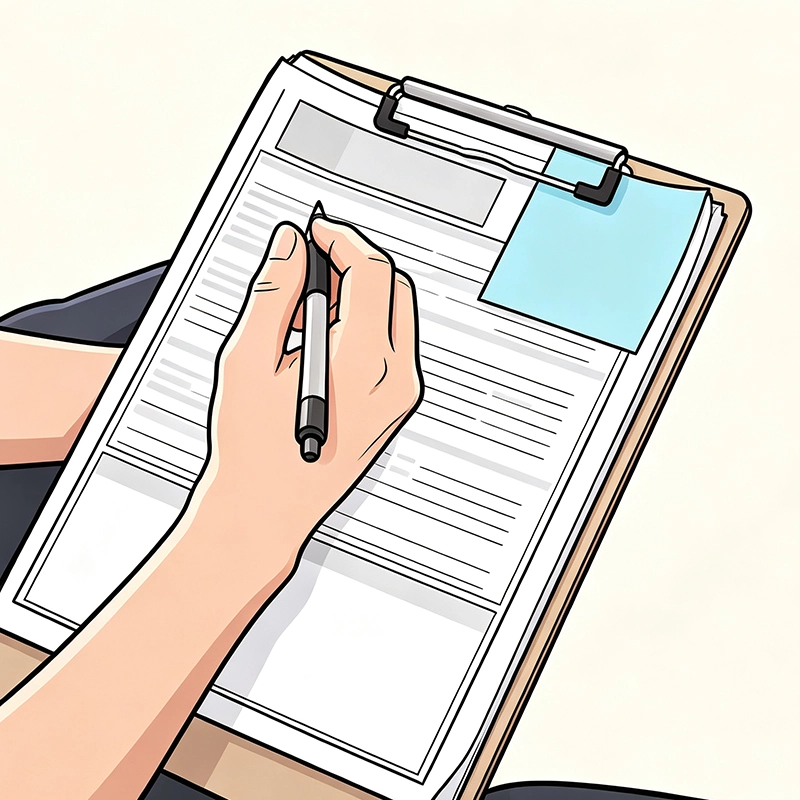
- Attend regular eye exams to monitor eye pressure and vision changes.
- Report any side effects or difficulties to your eye doctor.
Maintain Healthy Daily Habits
Support stable eye pressure
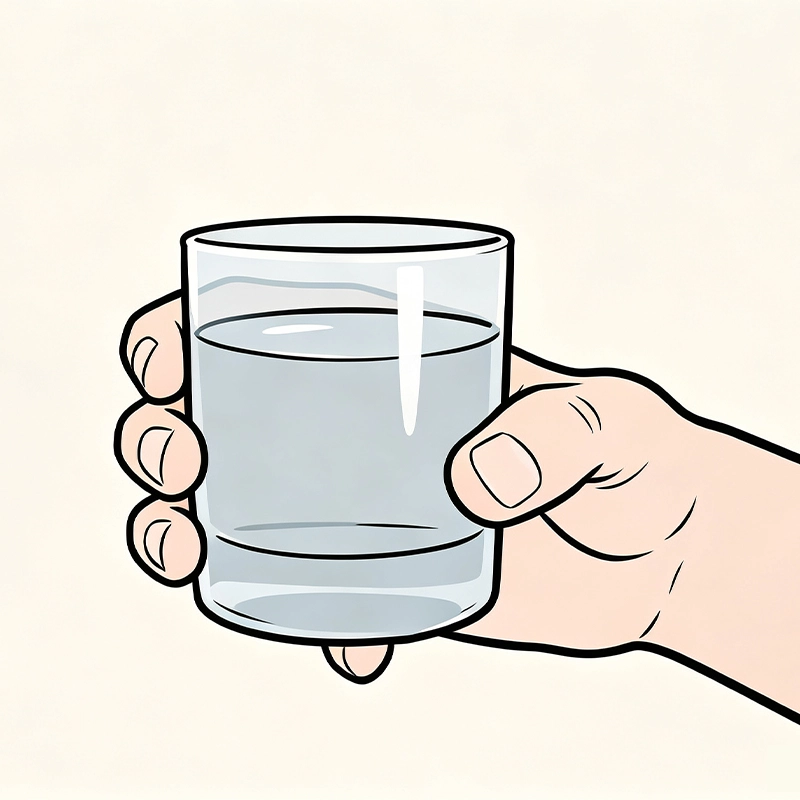
- Drink water throughout the day instead of drinking large amounts quickly (such as about 1 liter within a short period).
- Limit excessive caffeine, which may temporarily increase eye pressure.
- Stay active with moderate exercise such as walking or cycling.
Pay Attention to Sleep & Activities
Avoid habits that may affect eye pressure
- Sleep with your head elevated about 20–30 degrees using a wedge pillow or raised head of the bed.
- Avoid prolonged head-down positions and heavy lifting while holding your breath.
- Choose exercises that avoid excessive strain or inverted positions.

Adapt to Vision Changes
Stay independent with the right support
- Improve lighting and reduce glare for easier daily activities.
- Keep frequently used items organized to reduce navigation difficulties.
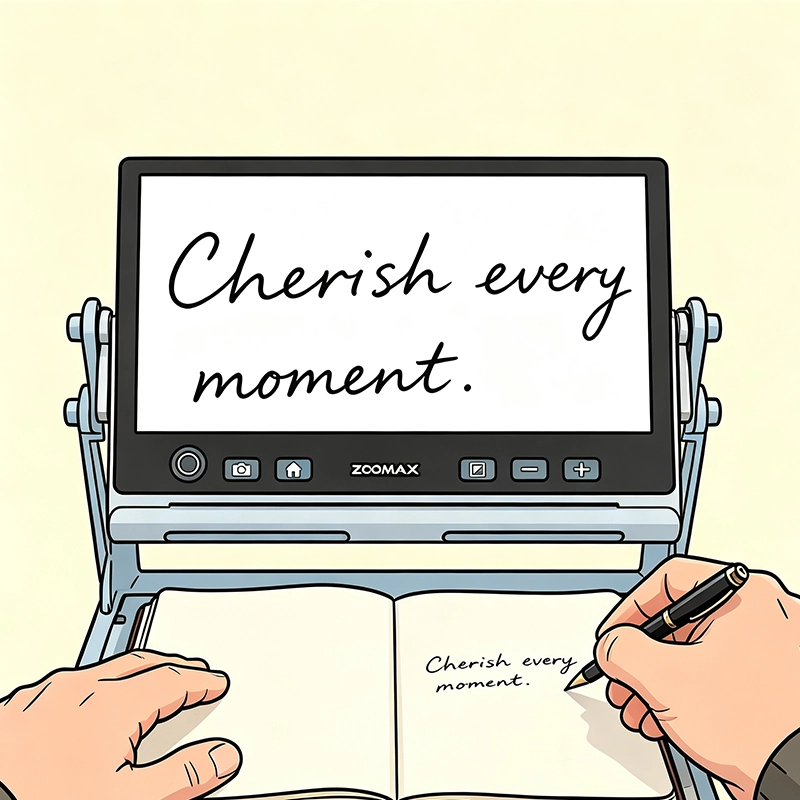
- Use low vision aids, such as portable electronic magnifiers, to make reading and everyday tasks easier.
How to Prevent Glaucoma
There is currently no guaranteed way to prevent glaucoma from developing. However, regular eye exams, early detection, and proper management can help protect vision and slow disease progression.
Manage Eye Health
Controlling conditions such as diabetes and high blood pressure, avoiding eye injuries, and following healthy habits can help reduce factors linked to vision loss.

Know Your Risk Factors
People with a family history of glaucoma, older adults, and those with certain health conditions may need more frequent eye screenings.
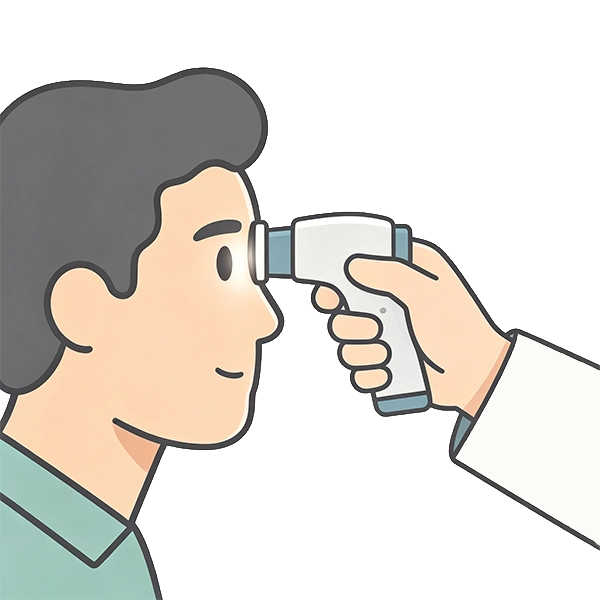
Regular Eye Exams
Regular comprehensive eye exams can detect early changes in eye pressure, optic nerve health, and vision before significant damage occurs.

Prevent Glaucoma From Worsening
For people already diagnosed with glaucoma, consistent treatment, regular follow-ups, and monitoring eye pressure are essential for slowing disease progression.
Zoomax Low Vision Aids for Glaucoma
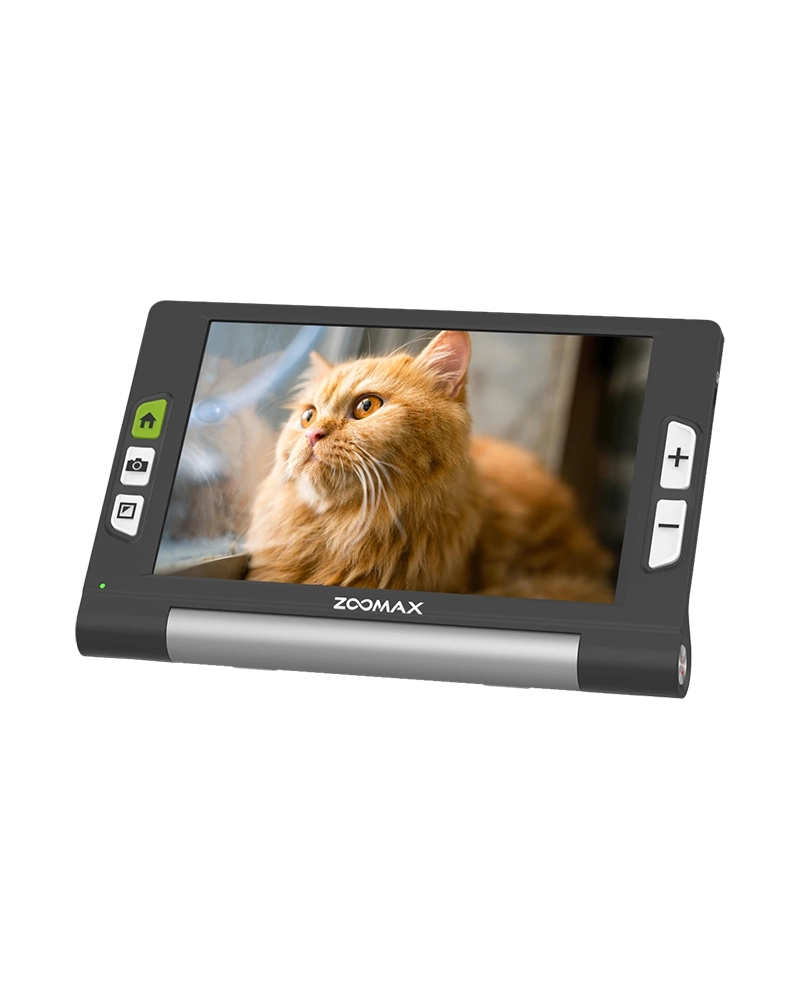
Luna 8
Best for simple and portable reading needs
Compact and easy to use, Luna 8 helps people with glaucoma read books, medication labels, mail, and other everyday text more comfortably at home or on the go. Its clear display and high-contrast modes make reading easier for users with reduced vision.
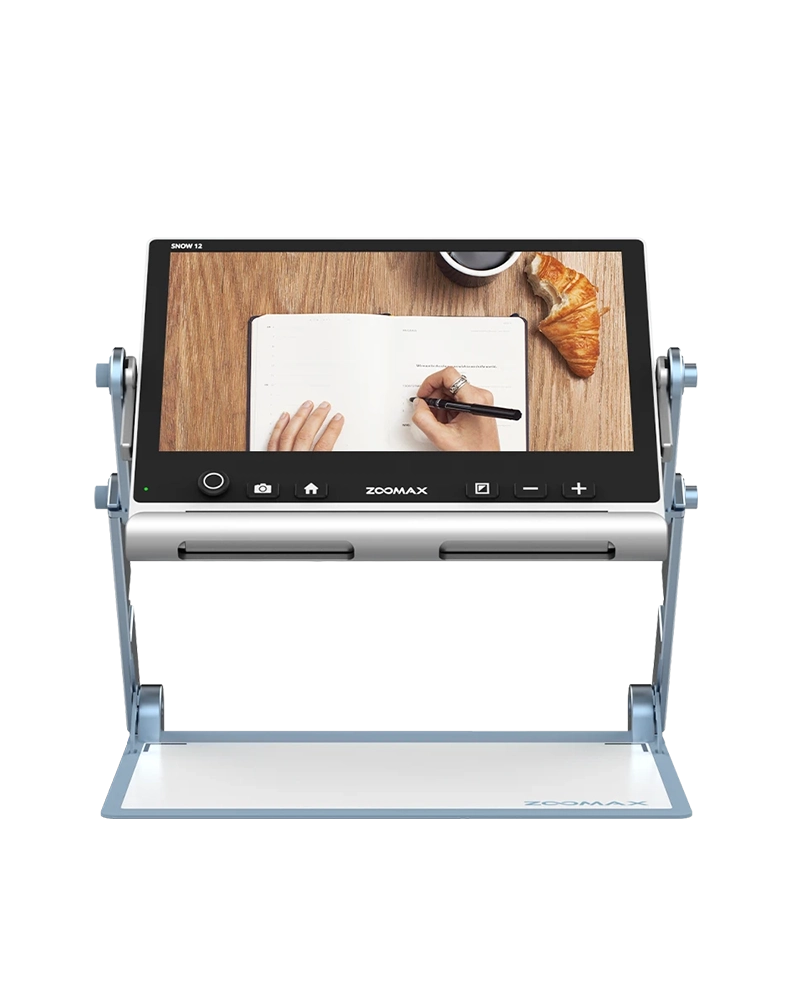
Snow 12
Best for easier reading with visual and audio support
Snow 12 combines magnification with OCR text-to-speech technology to help people with glaucoma read documents, books, and everyday text more comfortably. When visual reading becomes challenging, users can listen to converted text while following along on screen.
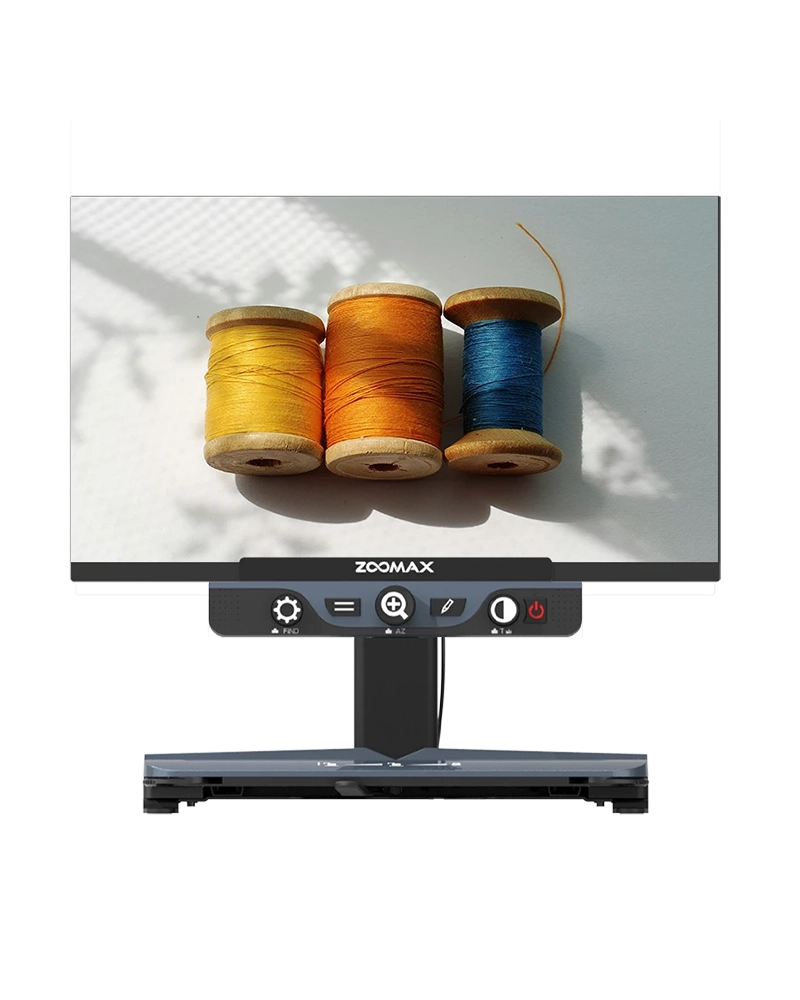
Luna HD 24 Pro
Best for comfortable long-term reading at home
Featuring a large 24-inch HD display and a spacious working area, Luna HD 24 Pro provides a comfortable viewing experience for extended reading, writing, and hobbies. Its high-contrast modes and magnification options help users make better use of their remaining vision.
Acesight VR
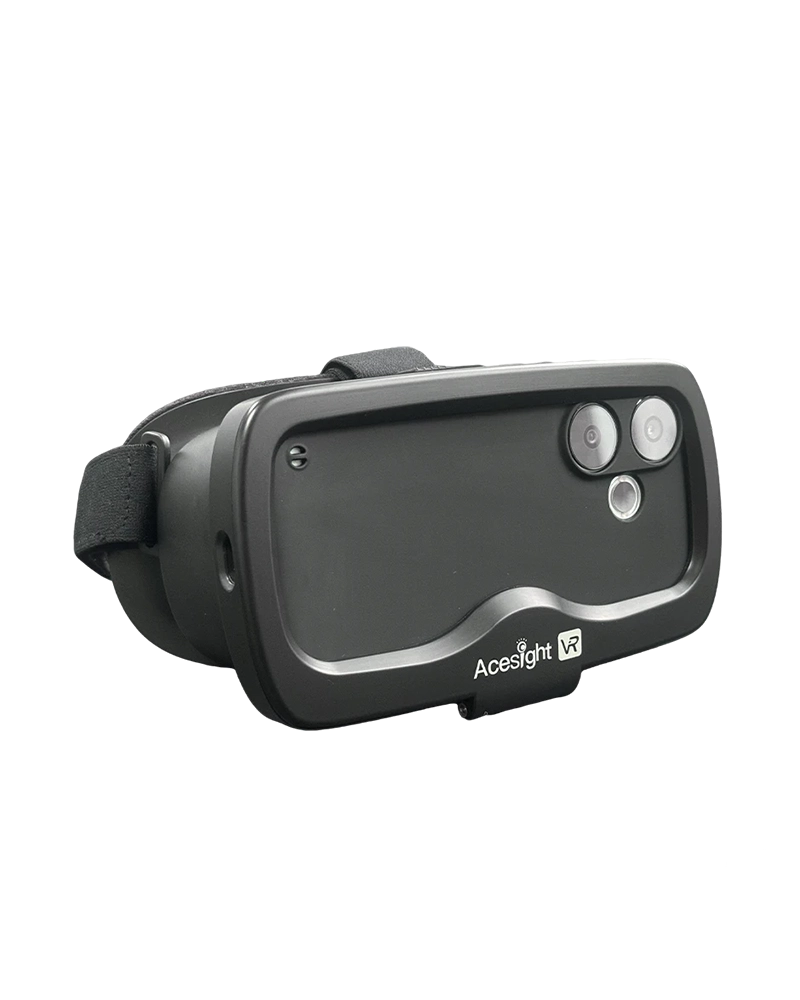
Best for TV viewing with limited visual fields
For people experiencing visual field loss from glaucoma, Acesight VR provides a wider viewing experience with a 65° field of view and visual enhancement features. It helps users enjoy TV programs, movies, and other distance-viewing activities with greater comfort and confidence.
Choosing the right low vision aid for glaucoma depends on individual visual needs, including reading, accessing information, completing daily tasks, and enjoying distance viewing. Because glaucoma can affect visual function in different ways, different devices are designed to support different levels of vision loss and daily activities.
The comparison below highlights the key differences between four Zoomax visual impairment solutions designed to help people with glaucoma make better use of their remaining vision.
| Feature | Luna 8 | Snow 12 | Luna HD 24 Pro | Acesight VR |
|---|---|---|---|---|
| Device Type | 8-inch handheld electronic magnifier | 12-inch portable video magnifier | 24-inch desktop video magnifier | Wearable electronic magnifier |
| Primary Use | Quick reading and everyday viewing | Reading assistance with magnification and OCR text-to-speech | Long-duration reading and detailed visual tasks | TV viewing and immersive distance viewing |
| Best For | Daily reading needs and portable use | Users who need visual and audio support for reading | Users who need comfortable, extended viewing at home | Users who want enhanced TV and entertainment experiences |
| Portability | Very high (handheld and easy to carry) | High (portable with foldable stand) | Low (desktop setup) | High (wearable and hands-free) |
| Viewing Focus | Short reading tasks and everyday text | Documents, books, and printed materials with OCR support | Large-screen viewing, writing, and precision tasks | Wider viewing experience with a 65° field of view |
| Typical Use Scenes | Labels, menus, medication information, mail | Books, documents, bills, reading materials | Newspapers, books, hobbies, paperwork, detailed work | TV shows, movies, sports, and distance viewing |
Glaucoma FAQs
Can glaucoma be corrected or cured?
Currently, there is no cure for glaucoma, and existing vision loss caused by optic nerve damage cannot be reversed. Treatment focuses on slowing disease progression and lowering intraocular pressure to help preserve remaining vision.
Although glaucoma cannot be corrected, early diagnosis and consistent management can significantly reduce the risk of severe vision loss or blindness. With ongoing medical care, many people are able to maintain functional vision throughout their lives.
Can you live with glaucoma without going blind?
Yes, many people can live with glaucoma without going blind, especially when the condition is detected early and properly managed. Most glaucoma progresses slowly, and with regular treatment and monitoring, vision loss can often be controlled over time.
Even if some glaucoma vision loss occurs, many patients adapt and continue to live independently for years or even decades. In daily life, some individuals may benefit from assistive tools such as optical magnifiers and electronic magnifiers, which can enlarge printed text and make reading tasks—like newspapers, bills, or labels—much easier and more comfortable.
What not to do with glaucoma?
If you have glaucoma, it is important to avoid behaviors that may worsen eye pressure or interfere with treatment effectiveness. These include:
- Skipping or inconsistently using prescribed eye drops or medication
- Ignoring follow-up appointments or regular eye examinations
- Taking medications (such as steroids) without medical supervision
- Engaging in activities that may significantly increase eye pressure without professional advice, such as certain heavy straining positions
- Relying on unverified “cures” or delaying medical treatment
Proper adherence to treatment and regular monitoring are essential to prevent disease progression.
What is the new treatment for glaucoma in 2026?
The new glaucoma treatment 2026 continues to evolve toward more personalized and minimally invasive approaches. While traditional treatments such as glaucoma eye drops, laser therapy, and surgery remain the foundation of care, newer advances are improving long-term outcomes and reducing treatment burden.
One major area of development is minimally invasive glaucoma surgery (MIGS), including improved drainage implants such as glaucoma stents, which aim to lower eye pressure with faster recovery times compared to traditional surgery.
Advancements in laser treatment for glaucoma, including refined SLT glaucoma (Selective Laser Trabeculoplasty) techniques, are also being used earlier in treatment plans to delay or reduce the need for long-term medication.

Medical Disclaimer
The information provided on this page is for educational purposes only and is not intended to replace professional medical advice, diagnosis, or treatment. Glaucoma is a complex eye condition that requires evaluation and management by qualified eye care professionals.
If you have concerns about glaucoma symptoms, vision changes, or treatment options, please consult an ophthalmologist or other qualified healthcare provider for personalized advice.
Low vision aids and assistive devices may help individuals make better use of their remaining vision and improve independence in daily activities. However, these devices do not treat glaucoma, prevent disease progression, restore lost vision, or replace medical care.