
Cataracts
Cataracts Definition
A cataract is a condition where the eye’s normally clear natural lens becomes cloudy, causing vision to become blurry, hazy, or less clear. The lens helps focus light onto the retina, but when it becomes cloudy, light cannot pass through properly and clear images become harder to see.
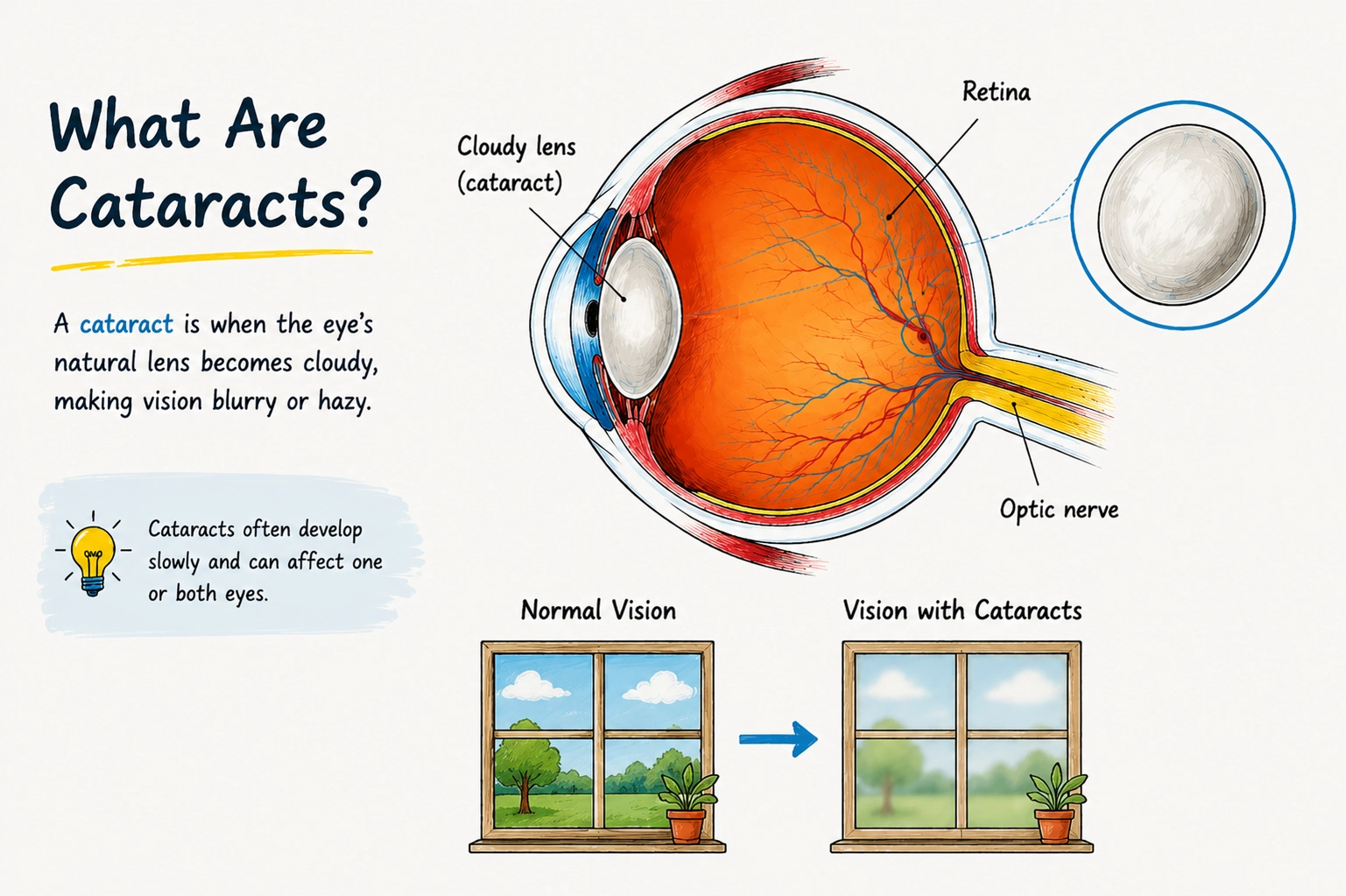
Cataracts usually develop slowly over time and may affect one or both eyes. Many people describe cataract vision as looking through a foggy or frosted window, with everyday activities such as reading, driving, or recognizing faces becoming more difficult as the condition progresses.
Signs and Symptoms of Cataracts
Cataract symptoms usually develop gradually as the eye’s natural lens becomes cloudy. Over time, cataracts can affect visual clarity, contrast, and daily activities such as reading, driving, and recognizing faces.

Blurred or Cloudy Vision
Cataracts can make vision appear blurry, hazy, or less clear, similar to looking through a foggy window.

Glare and Light Sensitivity
Cataracts can increase sensitivity to bright lights, causing glare or halos around headlights, lamps, and sunlight.

Difficulty Seeing in Low Light
Cataracts may reduce vision in dim environments, making activities like reading or night driving more challenging.
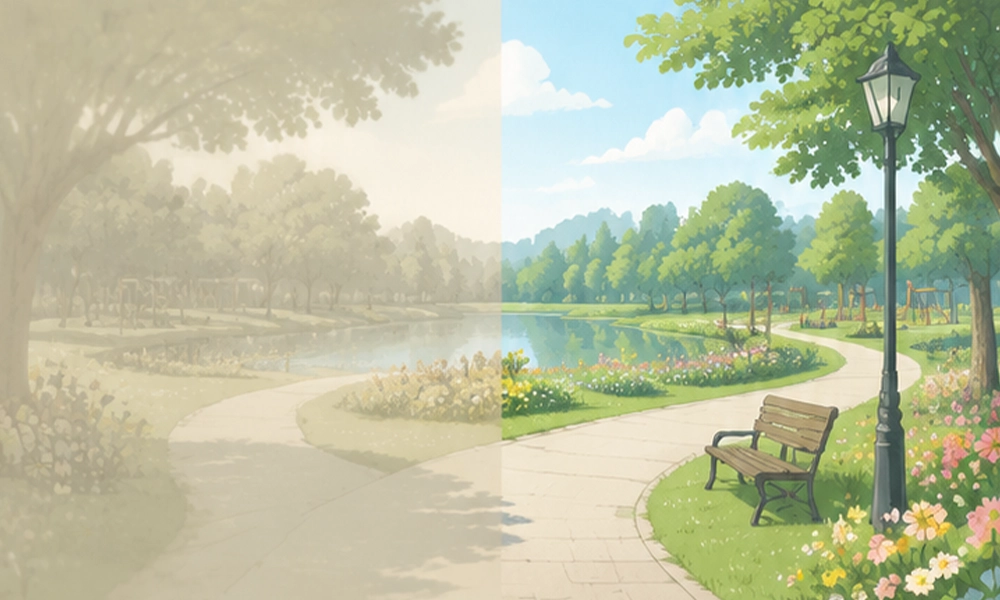
Faded Colors and Vision Changes
As cataracts progress, colors may appear less vibrant, contrast may decrease, and eyeglass prescriptions may change more frequently.
What Causes Cataracts?
Cataracts develop when the eye’s natural lens becomes cloudy, most commonly due to age-related changes. Over time, proteins inside the lens can break down and clump together, reducing the lens’ ability to transmit clear images to the retina.
While aging is the primary cause, other factors such as health conditions, lifestyle habits, and environmental exposure can increase the risk or accelerate cataract development.
Common Risk Factors

Age
Age is the most common risk factor for cataracts, as natural changes in the eye’s lens increase over time.

Health Conditions
Conditions such as diabetes and other health problems can increase the risk of developing cataracts earlier or more quickly.

Lifestyle
Smoking, excessive alcohol use, and long-term UV exposure may contribute to changes in the eye’s lens and increase cataract risk.

Eye History
Previous eye injuries, eye surgery, long-term steroid use, and family history may increase the likelihood of cataract development.
Cataract Prevention
Cataracts cannot always be prevented, especially age-related cataracts. The following preventive measures may help reduce risk factors and support long-term eye health, but they cannot reverse cataracts once they develop.

UV Protection
Wearing UV-blocking sunglasses and hats can help protect the eye lens from long-term sun exposure.
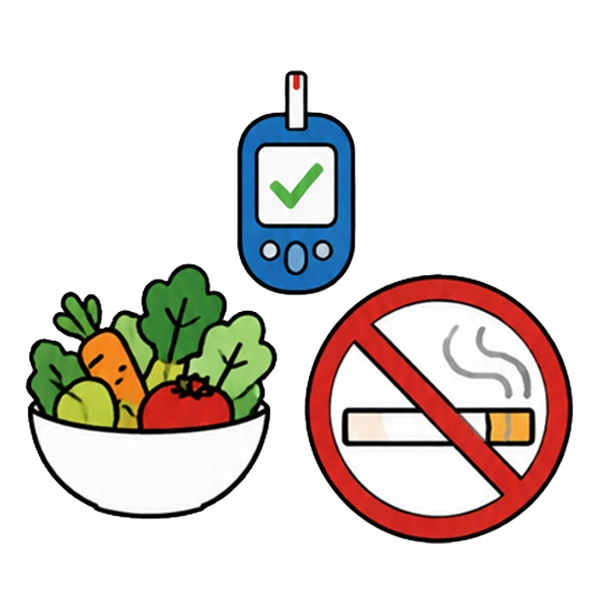
Healthy Lifestyle
Healthy habits, such as managing diabetes and avoiding smoking, may help reduce cataract risk.
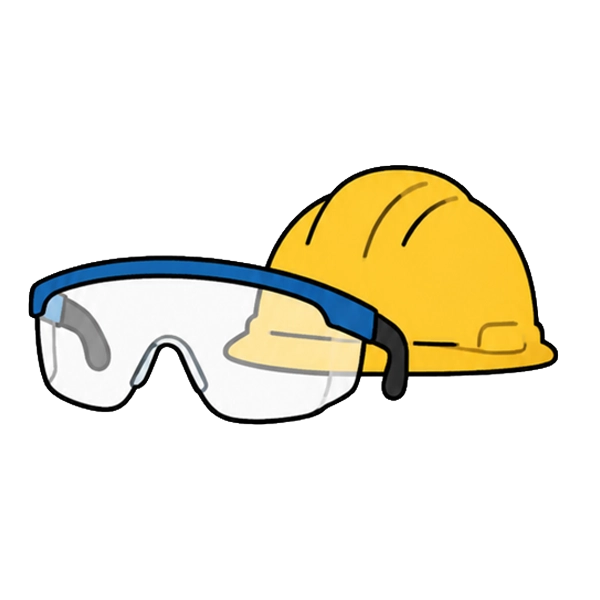
Eye Protection
Protective eyewear during risky activities can help prevent eye trauma linked to cataract development.
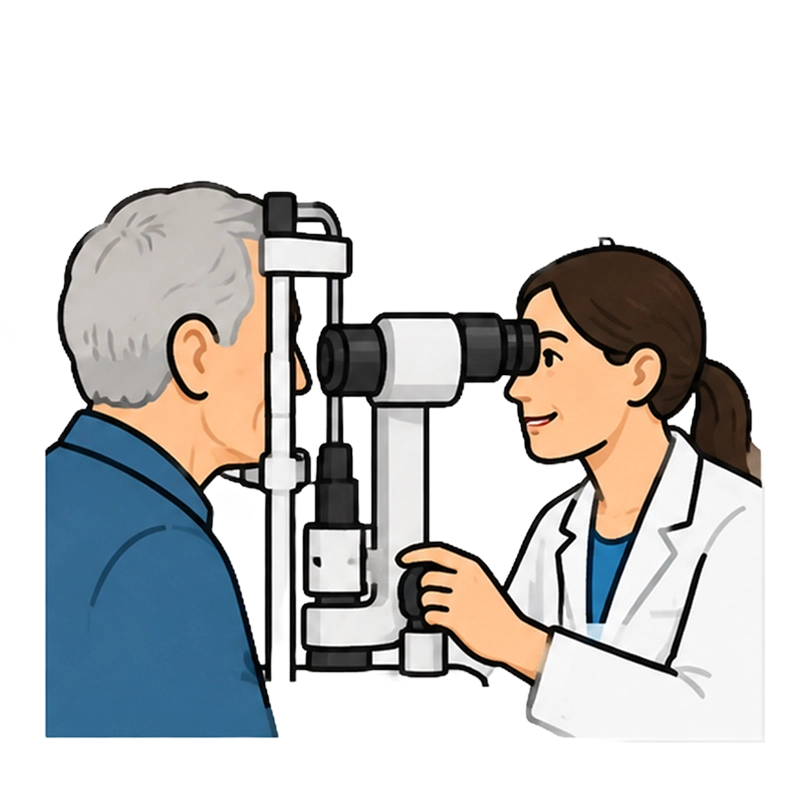
Regular Eye Exams
Routine eye exams help detect cataracts early and monitor changes in vision.
Cataract Treatment
There is no medication, eye drop, or natural treatment that can reverse cataracts, because the lens clouding is permanent. Early symptoms may be managed with updated glasses, lighting, or aids for visually impaired, but when cataracts begin to affect daily activities such as reading or driving, cataract surgery is the only proven treatment.
Non-Surgical Management
Early-stage cataract symptoms may be managed with updated glasses, improved lighting, glare reduction, or visual aids to support daily activities.
Cataract Surgery
Cataract surgery is the only proven treatment to remove a cloudy lens and improve vision affected by cataracts. During surgery, the cloudy natural lens is removed and replaced with a clear artificial lens called an intraocular lens (IOL).
How Cataract Surgery Works
The most common procedure is phacoemulsification, where a surgeon uses ultrasound energy to break up and remove the cloudy lens through a small incision, then places an artificial lens in its position.
Surgery Process
Cataract surgery is usually an outpatient procedure performed with numbing eye drops. Patients are typically awake and comfortable during the procedure, which often takes less than an hour per eye.
Lens Options
The artificial lens (IOL) can be selected based on individual visual needs. Options may include lenses designed for distance vision, near vision, or reducing dependence on glasses.
Risks and Success Rate
Cataract surgery is one of the most common and successful eye surgeries. While complications are uncommon, possible risks include infection, inflammation, swelling, or temporary vision changes, which are monitored during follow-up care.
Recovery After Cataract Surgery
Cataract surgery recovery is usually quick, with many people noticing clearer vision within a few days. However, the eye continues to heal, and vision may take several weeks to fully stabilize. Recovery time varies depending on individual healing and overall eye health.
Recovery Timeline
Vision may be blurry or fluctuate during the first days after surgery. As the eye heals, most people gradually experience improved clarity and return to normal daily activities within several weeks.
Post-Surgery Care
Following your doctor’s instructions is important for proper healing. This may include using prescribed eye drops, protecting the eye, avoiding rubbing, and temporarily limiting activities such as heavy lifting or swimming.
Vision Changes After Surgery
Some people may experience temporary glare, halos, light sensitivity, or changes in visual comfort while the eye adjusts to the new artificial lens. These effects often improve as healing continues.
Low Vision Aids
Some people may still have visual challenges after surgery due to other eye conditions. Low vision aids, such as portable video magnifiers, can help with reading and daily activities by enhancing magnification and contrast.
Zoomax Vision Aids for Cataracts
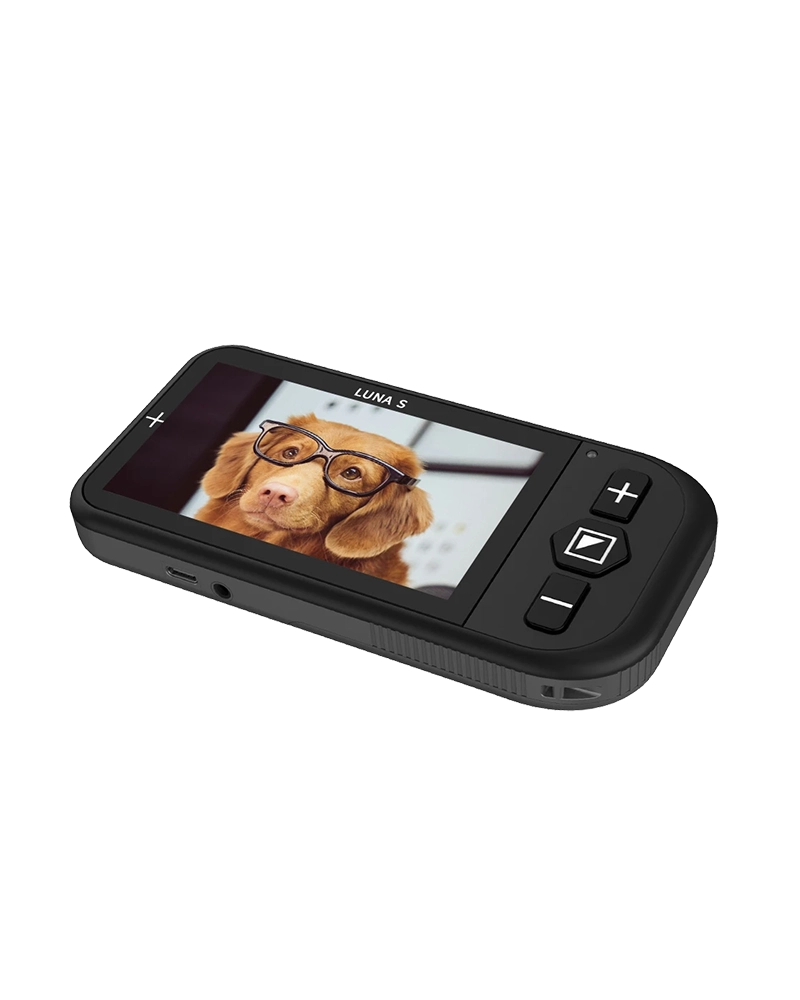
Luna S
Best for simple reading support with cataract-related vision changes
Luna S is a simple and easy-to-use handheld magnifier designed for people experiencing mild vision changes from cataracts. It helps users read medication labels, menus, receipts, and other small text more comfortably with minimal operation steps.
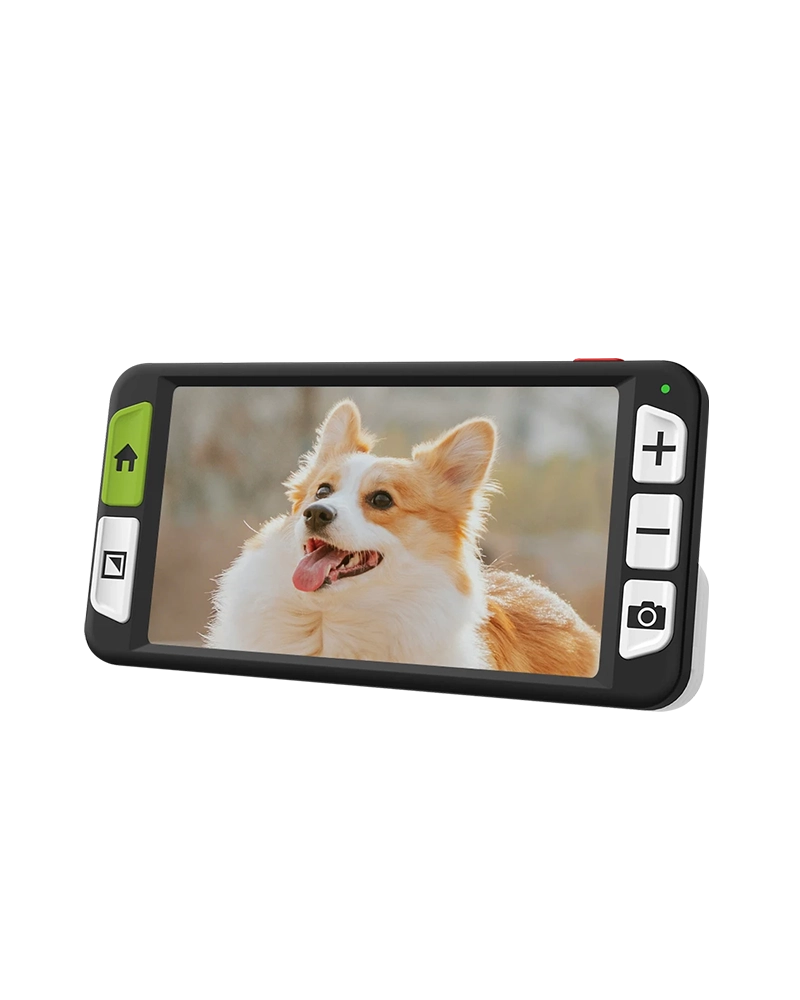
Luna 6
Best for portable support with blurred vision
Luna 6 provides a lightweight and portable solution for users who experience blurred vision and difficulty reading everyday materials due to cataract-related changes. Its compact design makes it easy to carry and supports both near and far viewing, making it suitable for reading labels, mail, menus, and documents at home or on the go.
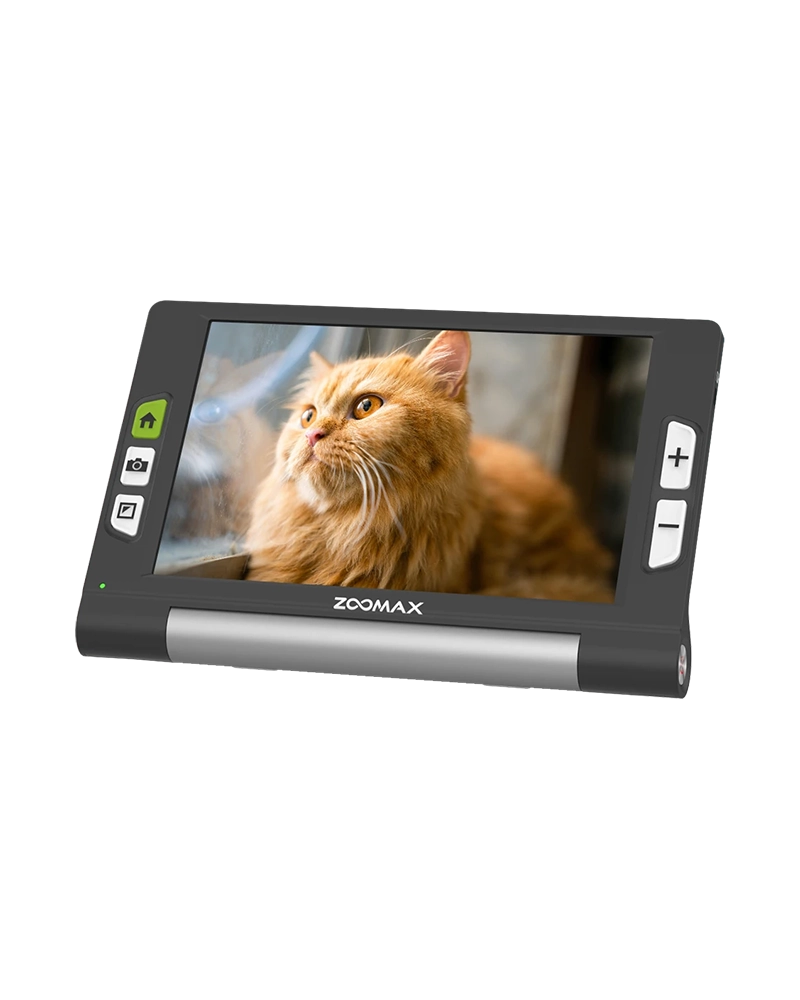
Luna 8
Best for easy reading with a large, comfortable display
With an 8-inch display, simple controls, and up to 8 hours of battery life, Luna 8 provides a comfortable reading experience for older adults with cataracts or other low vision conditions. Its larger viewing area helps users see more text at once, making books, newspapers, and everyday documents easier to read at home or while traveling.
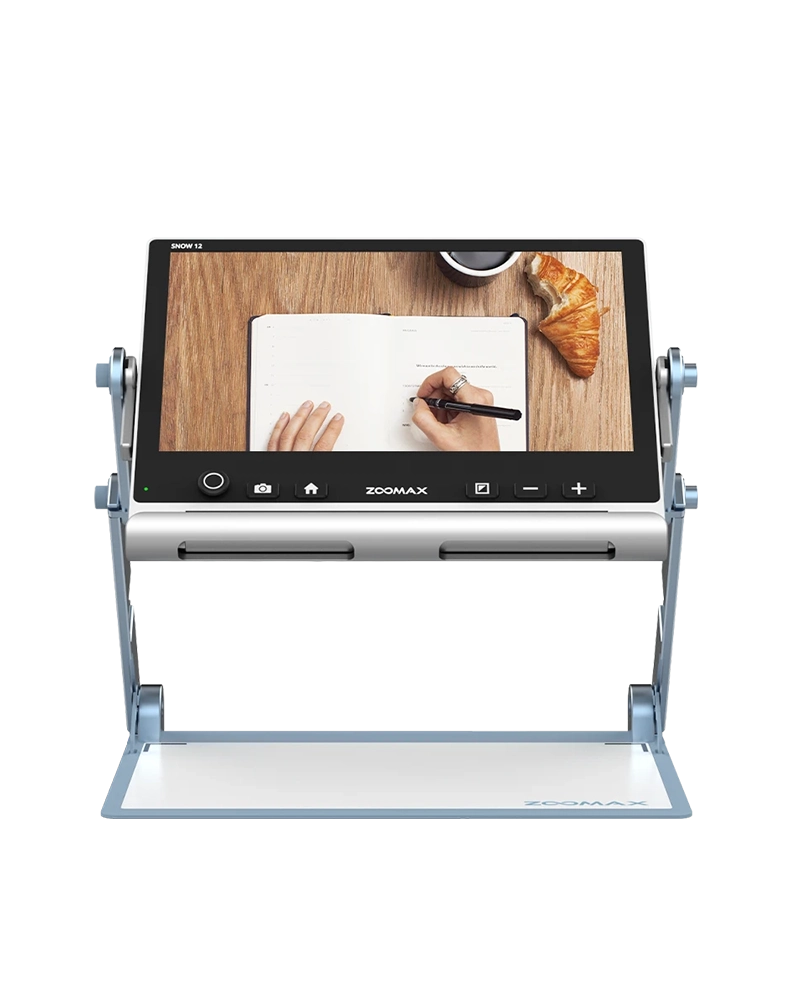
Snow 12
Best for extended reading and advanced visual support
Snow 12 combines a large HD display, magnification, and OCR text-to-speech features to support people who continue experiencing reading difficulties after cataract changes or cataract surgery. It helps users access books, documents, and printed materials by enlarging text or reading it aloud.
Cataracts are common eye conditions among older adults and may affect daily activities before surgery or during recovery. Vision aids can provide additional support by helping users manage reading and other visual tasks when vision changes occur.
When choosing a vision aid, consider your daily needs, including ease of use, portability, screen size, and features such as OCR and text-to-speech. The best choice depends on your lifestyle, the tasks you need help with, and the level of visual support you need.
The comparison below highlights the key differences between four Zoomax electronic low vision aids designed for cataract-related vision challenges.
| Feature | Luna S | Luna 6 | Luna 8 | Snow 12 |
|---|---|---|---|---|
| Best For | Simple everyday reading | Portable daily reading | Comfortable reading for older adults | Extended reading & writing support |
| Ideal Users | Users who need an easy-to-use magnifier | Users who want support at home and on the go | Users who prefer a larger display and longer reading comfort | Users needing OCR and text-to-speech features and writing support |
| Typical Cataract-Related Needs | Reading labels, medication information, receipts | Managing blurred vision during daily activities | Improving comfort when reading books, newspapers, and documents | Supporting users with ongoing reading difficulties before or after cataract treatment |
| Device Type | Compact handheld electronic magnifier | Portable handheld electronic magnifier | Large-screen handheld electronic magnifier | Portable video magnifier with OCR |
| Screen Size | 4.3-inch | 5.5-inch | 8-inch | 12-inch HD touchscreen |
| Portability | Very high | Very high | High | Moderate |
| Key Advantage | Simplest operation | Portable & versatile with Near/Far Vision | Larger screen + long battery life | OCR + text-to-speech for greater independence |
Cataracts FAQs
Can I live with cataracts without surgery?
Yes, many people can live with cataracts for a period of time, especially in the early stages. When symptoms are mild, vision changes can often be managed with updated eyeglass prescriptions, better lighting, and regular eye check-ups.
However, cataracts are a progressive condition and usually worsen over time. When vision loss begins to interfere with daily activities such as reading, driving, or recognizing faces, surgical evaluation is typically recommended as the only effective way to restore clear vision.
What is the biggest complaint after cataract surgery?
One of the most common concerns after cataract surgery is temporary visual fluctuation. Patients may notice symptoms such as mild blurry vision, glare, halos around lights, or dry eye during the healing period.
These effects are usually temporary and improve as the eye recovers and adapts to the new intraocular lens. During this adjustment phase, some individuals may also benefit from simple visual support tools such as handheld electronic magnifiers, which can help with reading and managing daily tasks more comfortably while vision stabilizes.
How do you prevent cataracts from getting worse?
While cataracts cannot be completely stopped or reversed without surgery, certain habits may help slow their progression. Protecting the eyes from ultraviolet (UV) light, maintaining good blood sugar control, avoiding smoking, and supporting overall eye health through a balanced diet are commonly recommended measures.
In daily life, reducing visual strain can also be helpful. For example, using high-contrast reading materials, proper lighting, or electronic magnification devices may support clearer visual function and reduce fatigue during prolonged reading or screen use.
What is the new treatment for cataracts in 2026?
As of current medical standards, there is still no medication, eye drop, or non-surgical method that can reverse cataracts. The only proven and effective treatment remains cataract surgery, where the cloudy natural lens is replaced with an artificial intraocular lens (IOL).
Recent advances in surgical techniques, such as laser-assisted procedures and improved lens implant technologies, continue to enhance precision and visual outcomes. However, these innovations still rely on surgery as the core treatment method rather than replacing it.


Medical Disclaimer
The information provided on this page is for general educational purposes only and is not intended to replace professional medical advice, diagnosis, or treatment. Cataract symptoms, treatment options, and vision needs vary from person to person. Always consult a qualified eye care professional for personalized evaluation and recommendations.
Zoomax low vision aids are designed to support daily visual tasks and improve access to remaining vision. They do not treat, cure, or reverse cataracts and should not replace recommended medical care or surgical treatment.