
Improvement of Accessibility for People with Visual Impairment
Bridge the accessibility gap. Explore how assistive technology and inclusive design foster independence for the low vision community and those with 20/200 vision.
We use cookie to improve yourexperience on our site. By using our siteyou consent cookies. Learn more

Bridge the accessibility gap. Explore how assistive technology and inclusive design foster independence for the low vision community and those with 20/200 vision.

oomax Technology showcases world-leading low vision aids at SightCity 2023. Discover the advanced assistive technology and video magnifiers that captured the attention of the global low vision community.

Maximize your productivity with the Zoomax Snow 12. Learn how its text-to-speech (OCR) and stable writing stand make it the top choice for classrooms and busy offices.

Beyond the exam: how diet and exercise support healthy eyes. Explore our Healthy Vision Month guide to preventing 20/200 vision and maintaining independence.

Understanding Visual Snow Syndrome: From “snow globe” vision to light sensitivity. Discover lifestyle changes and medications that help manage this chronic visual impairment.

Don’t let vision loss stop you. Learn how to regain independence with low vision aids, emergency preparedness tips, and advice on joining supportive communities for the visually impaired.

Eye infections can range from minor irritations to causes of 20/200 vision. Explore our guide on eye hygiene, contact lens safety, and the different types of bacterial and viral infections.

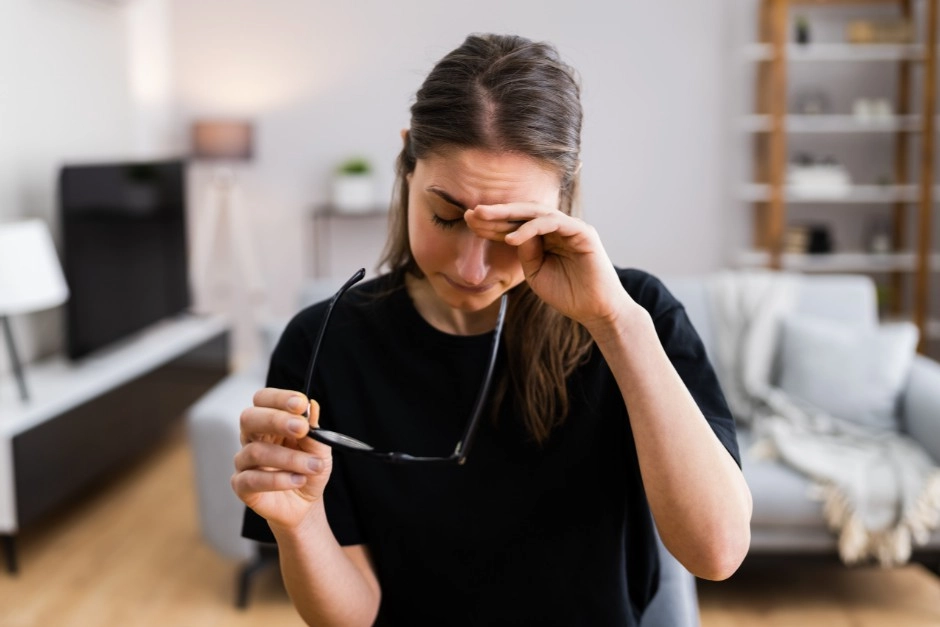
Protect your eyes from the toll of screen time. Learn how daily eye hygiene, blue light protection, and regular exams can prevent dry eyes and long-term vision disorders.

Make this Mother’s Day unforgettable for a mom with vision loss. Discover how electronic video magnifiers and E-glasses like Acesight can restore her independence and joy.

Why are women at a 12% higher risk of vision loss? Explore how hormones, pregnancy, and longer life expectancy contribute to higher rates of AMD, cataracts, and glaucoma in women.