
Macular Degeneration
What Is Macular Degeneration?
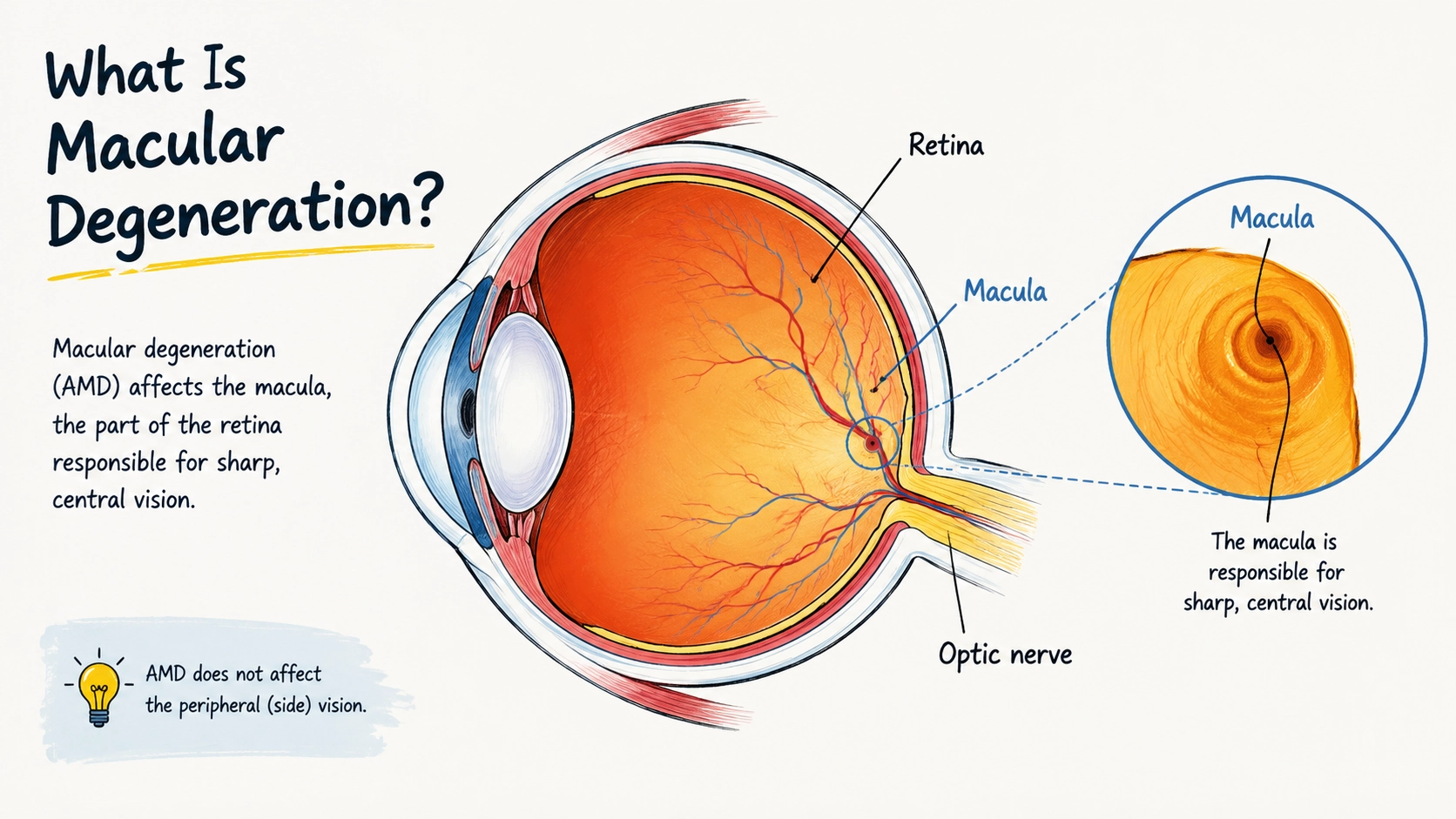
Macular degeneration is a progressive eye condition that affects the macula, the central part of the retina responsible for sharp vision. It mainly impacts central vision needed for reading, driving, and recognizing faces, while peripheral vision is usually preserved.
The most common type is age-related macular degeneration (AMD), a leading cause of vision loss in older adults. Although it can make daily tasks more difficult, macular degeneration does not typically cause complete blindness.
What Causes Macular Degeneration?
The development of macular degeneration is usually linked to a combination of aging, genetic susceptibility, and long-term lifestyle and environmental influences. There is no single identifiable trigger, but rather multiple factors that affect the health of the macula over time.
Common Risk Factors

Age
The risk of age-related macular degeneration (AMD) increases as the retina ages and its ability to maintain healthy vision cells declines, especially after age 50.

Genetics
People with a family history of macular degeneration may have a higher risk due to inherited genetic factors.

Smoking
Smoking is one of the strongest known risk factors because it can increase oxidative stress and reduce blood flow to the retina.

Health
Conditions such as high blood pressure and cardiovascular disease may affect retinal health and increase risk.

Lifestyle
Long-term nutritional imbalance and certain dietary patterns may contribute to disease progression, although no specific food has been proven to directly cause macular degeneration.
Early Signs & Symptoms of Macular Degeneration
Macular degeneration symptoms mainly affect central vision, which is important for reading, recognizing faces, and seeing fine details. Early changes are often subtle and may develop gradually, so regular eye exams are important for early detection.
Common Signs and Symptoms

Blurred or distorted vision
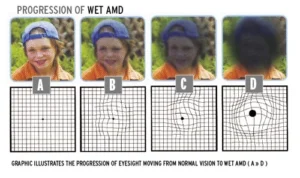
The center of vision may appear blurry, and straight lines may look wavy or distorted.

Difficulty seeing details
Small print, facial features, and fine details may become harder to recognize.

Need for brighter light
Some people may require more lighting when reading or performing close-up tasks.

Dark or empty spots
As the condition progresses, a blind spot or missing area may appear in central vision.
Types and Stages of Macular Degeneration
Macular degeneration can be classified by type and stage. The type explains how the condition develops, while the stage describes how vision changes over time.
Types: Dry vs. Wet Macular Degeneration
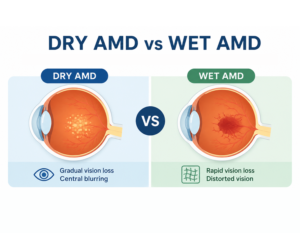
There are two main types of macular degeneration: dry AMD and wet AMD. Both affect the macula, but they develop differently and impact vision at different rates.
Dry Macular Degeneration
The most common form of AMD, caused by gradual thinning of the macula and the buildup of drusen beneath the retina. Vision changes usually develop slowly over years.

Wet Macular Degeneration
A less common but more rapidly progressing form caused by abnormal blood vessels growing under the retina and leaking fluid or blood. It can lead to sudden changes in central vision.

Stages of Macular Degeneration
Dry AMD is typically divided into early, intermediate, and advanced stages based on the level of retinal changes and vision impact.
Early Stage
Vision stays mostly stable, yet subtle changes like reduced contrast sensitivity or poor low‑light adaptation may occur.
Common challenges
- Reading small text takes more effort
- Extra lighting may be helpful
Intermediate Stage
Changes in central vision become more noticeable, making detailed tasks more difficult.
Common challenges
- Reading small print
- Recognizing fine details
- Performing low‑light tasks
Advanced Stage
Central vision loss becomes more significant and can affect independence in daily activities.
Common challenges
- Reading and writing
- Recognizing faces
- Managing detailed visual tasks
Macular Degeneration Test
A macular degeneration test helps detect changes in the macula, the part of the retina responsible for sharp central vision. Early signs are often found during routine eye examinations before noticeable vision loss occurs.
Common tests for macular degeneration
Amsler Grid Test
A simple screening tool used to check for changes in central vision. Wavy, blurry, or missing lines may indicate possible macular changes, but it cannot confirm a diagnosis on its own.
Optical Coherence Tomography (OCT)
A non-invasive retinal scan that creates detailed images of the macula. OCT helps eye care professionals detect structural changes and monitor AMD progression.
Comprehensive Eye Exam
Eye doctors may also use visual acuity testing and retinal imaging to evaluate vision changes, drusen, or fluid buildup.
Macular Degeneration Treatments and Low‑Vision Support
Treatment for macular degeneration depends on the type, stage, and progression of the disease. While there is currently no cure, available treatments can help slow progression, manage complications, and protect remaining vision.
Treatment for Dry Macular Degeneration
Monitoring and lifestyle management:
There is currently no treatment that can reverse retinal damage from dry AMD. Care typically focuses on regular eye exams, managing risk factors, and supporting overall eye health.
New therapies:
Research continues, especially for advanced dry AMD, but most current approaches aim to slow progression rather than restore lost vision.
Treatment for Wet Macular Degeneration
Anti-VEGF injections:
The primary treatment for wet AMD. These medications help reduce abnormal blood vessel growth and fluid leakage in the retina, which can slow central vision loss.
Other procedures:
Photodynamic therapy or laser treatments may be used in specific cases, although they are less common today.
Low Vision Support for Daily Activities
Even with treatment, macular degeneration may cause lasting changes in central vision that affect daily tasks. Low vision support helps people adapt to vision changes and maintain independence.
Common support options include:
- low vision rehabilitation
- lighting and contrast improvements
- assistive technology devices for low vision
- daily living adaptations
These supports do not treat macular degeneration, but they can help people continue daily activities more comfortably.
Macular Degeneration Self-Care
Living with macular degeneration often requires adjustments to daily routines as central vision changes over time. Self-care focuses on maintaining independence, safety, and quality of life through practical adaptations.
Helpful self-care strategies

Healthy Diet
A balanced diet with leafy greens, colorful fruits, and nutrients such as lutein and zeaxanthin may support overall eye health.
Better Lighting and Contrast
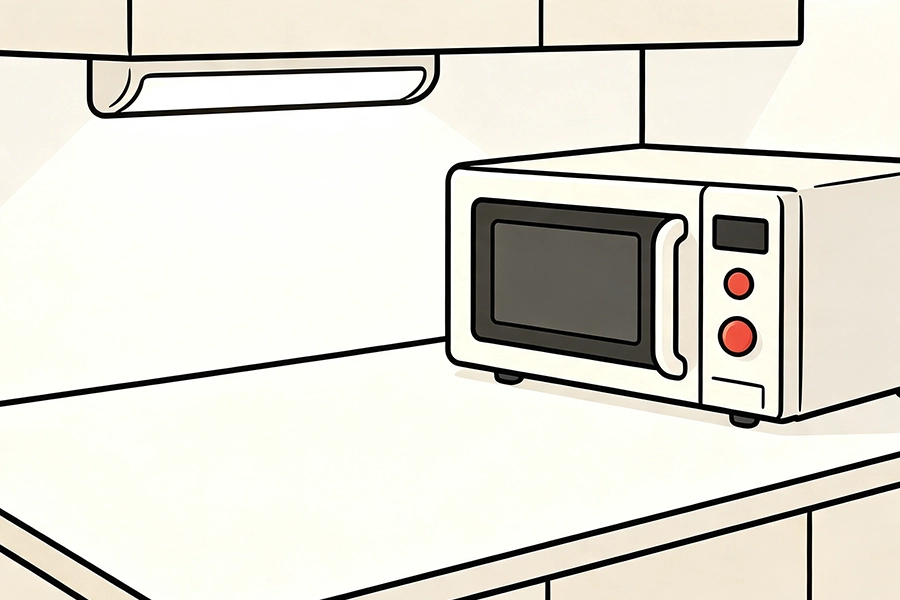
Brighter lighting, high-contrast materials, and an organized environment can make daily tasks easier.

Daily Activity Adjustments
Adapting routines, reducing visual strain, and using safer alternatives when needed can help maintain independence.

Low Vision Aids
Devices such as handheld electronic magnifiers can enlarge text and improve contrast, making activities like reading and writing easier.
These strategies do not treat macular degeneration, but they can help people make better use of their remaining vision and continue daily activities more comfortably.
How to Prevent Macular Degeneration
There is currently no guaranteed way to prevent macular degeneration, but healthy lifestyle choices and regular eye care may help reduce risk and support long-term eye health.

Nutritional Interventions
Having foods rich in lutein and zeaxanthin might support macular health.
AREDS2 Supplements
May help slow AMD progression in certain intermediate or advanced cases.
Healthy Lifestyle
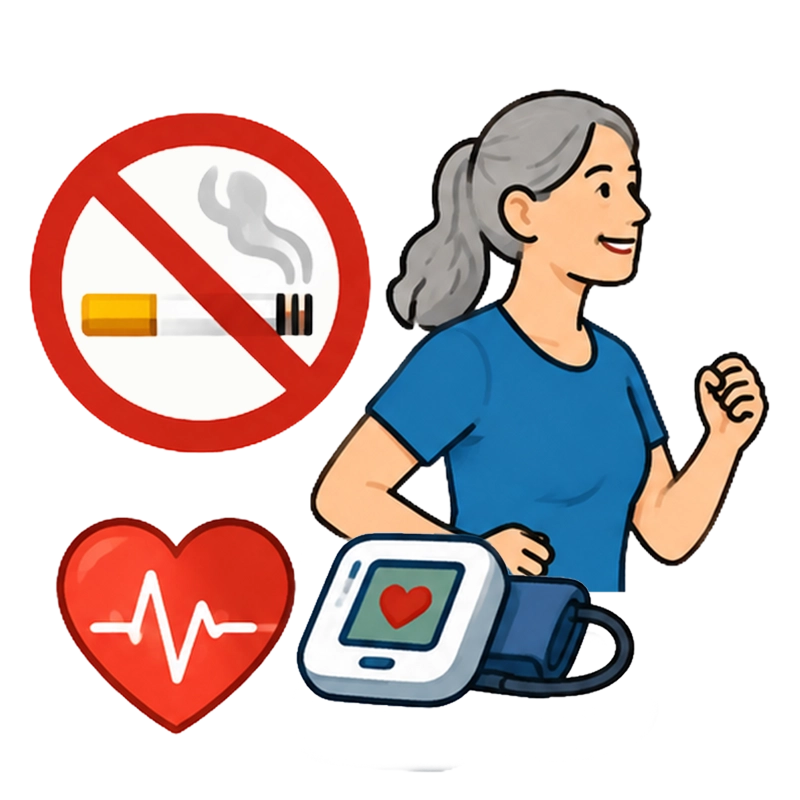
Avoid smoking and manage overall health to support retinal health.
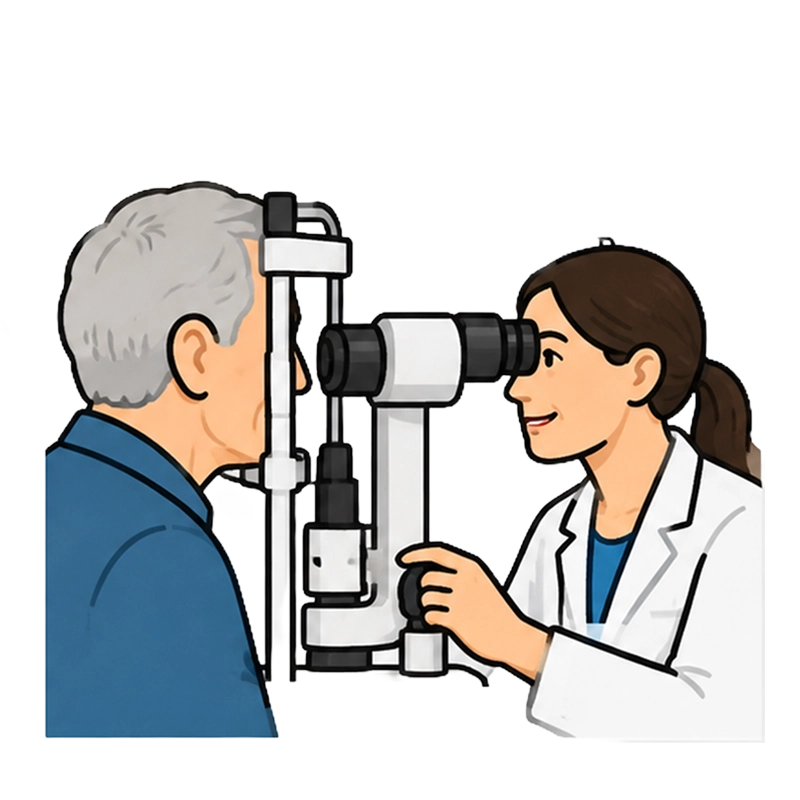
Regular Eye Exams
Help detect early changes and support timely management.
Zoomax Low Vision Aids for AMD
Luna 6
Best for portable reading needs
Compact and easy to carry, Luna 6 helps people with macular degeneration read labels, mail, menus, and other small text more comfortably at home or on the go.

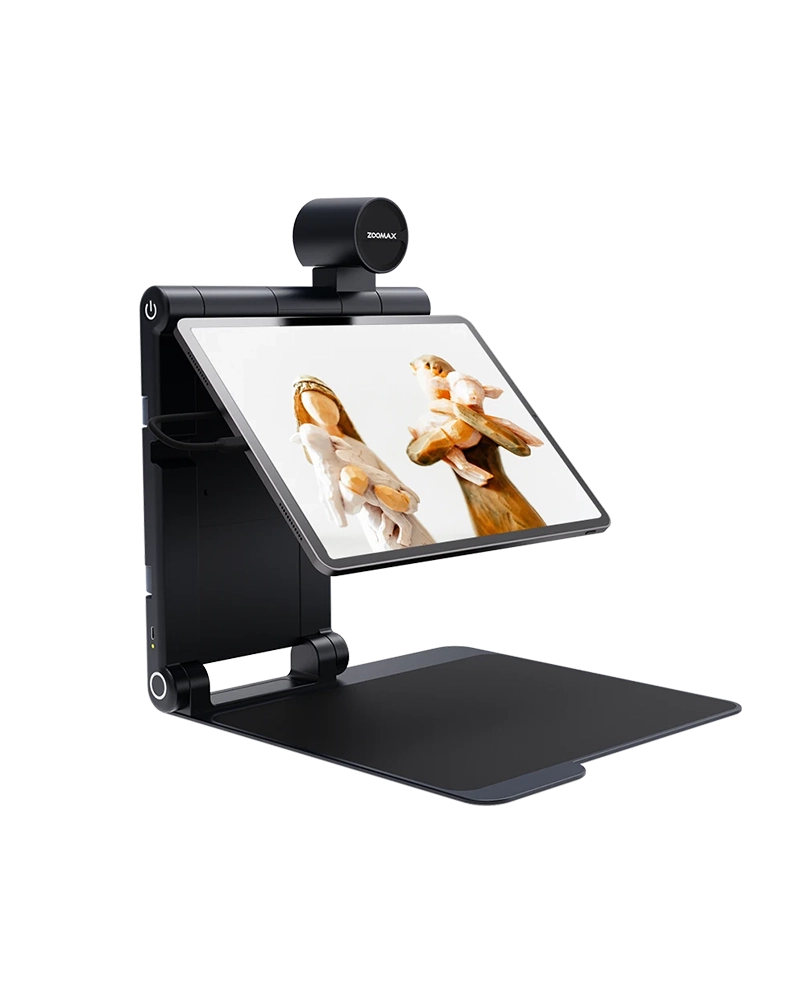
Snow Pad
Best for everyday tasks with flexible viewing
With a tablet display and split-screen viewing, Snow Pad allows users to view near and distant content at the same time. It helps make reading documents, recipes, books, and classroom or workplace materials easier.
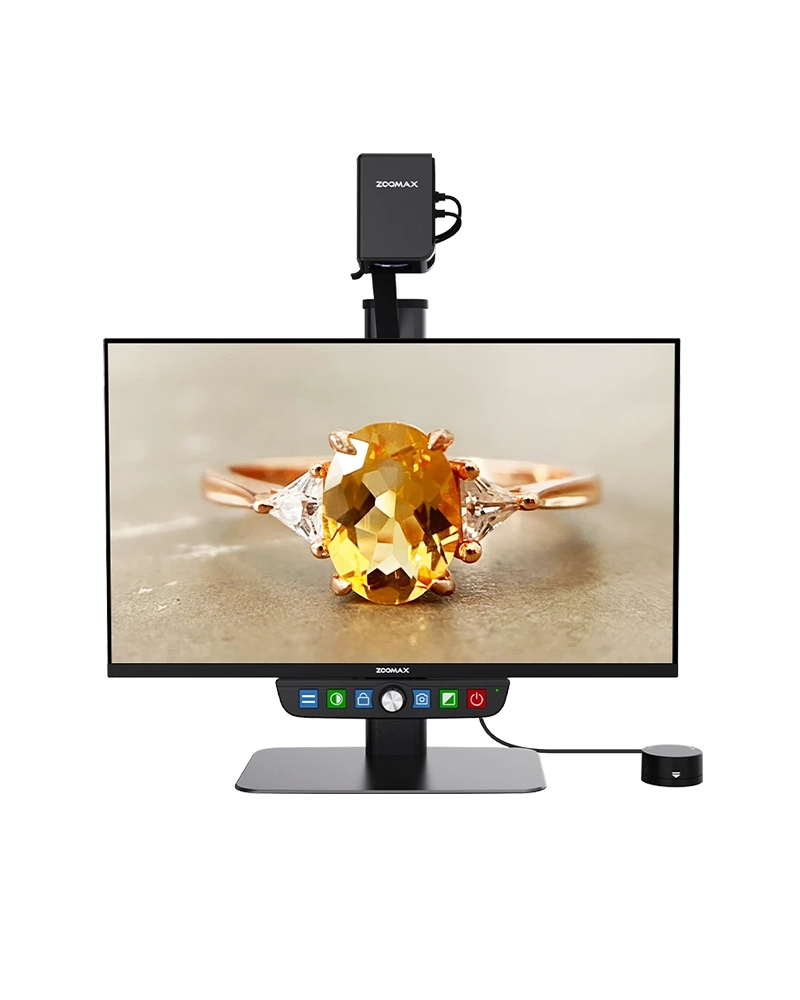
Luna Eye
Best for comfortable reading and versatile viewing at home
Featuring a rotating camera and large HD display, Luna Eye supports reading, writing, self-viewing, and viewing objects at different distances. Its flexible camera design helps users handle a variety of daily visual tasks with greater comfort.
Choosing the best magnifiers for macular degeneration depends on how much visual support is needed in daily life, such as reading, writing, mobility, and screen-based tasks. Different devices are designed for different levels of vision loss and usage scenarios.
The comparison below helps summarize the key differences between three commonly used Zoomax visual impairment solutions.
| Feature | Luna 6 | Snow Pad | Luna Eye |
|---|---|---|---|
| Device Type | 6-inch handheld electronic magnifier | Portable tablet magnifier | 24-inch desktop video magnifier |
| Primary Use | Quick reading tasks on the go | Reading, studying, and extended viewing | Long-duration reading and detailed tasks |
| Best For Stage | Early to mid-stage macular degeneration | Mid-stage macular degeneration | Advanced macular degeneration |
| Portability | Very high (pocket-sized) | High (foldable portable system) | Low (desktop setup) |
| Viewing Focus | Short, frequent tasks | Mixed near + functional reading tasks | Stable, continuous magnification |
| Typical Use Scenes | Labels, menus, medication info | Books, documents, meetings, travel | Reading, writing, crafting, paperwork |
Macular Degeneration FAQs
Will you go totally blind from macular degeneration?
Most people with macular degeneration do not become completely blind. The condition primarily affects central vision, which is responsible for tasks such as reading and recognizing faces. Peripheral vision is usually preserved, allowing individuals to maintain a level of independence even in later stages. However, the severity and progression of this eye condition vary from person to person.
How do people with macular degeneration read or continue daily visual tasks?
People with macular degeneration use a combination of strategies depending on the stage and severity of vision loss. These may include larger print materials, improved lighting, screen accessibility settings, audio tools, and magnification-based solutions. Many individuals adapt their environment to reduce visual strain and make reading or screen use more comfortable. The approach is often personalized rather than relying on a single method.
How do electronic magnifiers help people with macular degeneration in daily life?
Electronic magnifiers can support people with macular degeneration by enlarging text, improving contrast, and making fine details easier to see. Devices such as handheld, portable, or desktop video magnifiers from Zoomax can help users with reading labels, managing mail, writing, and other close-up tasks. These tools do not treat the condition, but they can help individuals make better use of their remaining vision and maintain greater independence in daily activities.
How fast does macular degeneration progress?
The progression of macular degeneration varies widely. Some people experience very slow changes over many years, especially in early dry macular degeneration, while others may notice more rapid vision changes, particularly in wet macular degeneration. Regular eye examinations are important for monitoring progression and detecting changes early.
Can macular degeneration be reversed or cured?
Currently, macular degeneration cannot be reversed or completely cured. However, certain treatments can help slow progression, especially in wet macular degeneration, and supportive strategies can help individuals adapt to vision changes. Early detection and ongoing management are key to preserving functional vision for as long as possible.
Related Articles

Medical Disclaimer
The information provided on this page is for educational purposes only and is not intended to replace professional medical advice, diagnosis, or treatment. Macular degeneration symptoms, progression, and treatment options can vary from person to person. Always consult a qualified eye care professional for personalized medical advice and before making decisions about your eye health or treatment.
The low vision aids mentioned on this page are designed to support daily activities and improve visual accessibility. They do not treat, cure, or prevent macular degeneration.