





Summer Alert: Beware of UV Light!
Protect your eyes from “sunburn of the eye” (photokeratitis) and pterygium. Explore the dangers of UVA/UVB radiation and why UV protection is vital for long-term retinal health.
Protect your eyes from “sunburn of the eye” (photokeratitis) and pterygium. Explore the dangers of UVA/UVB radiation and why UV protection is vital for long-term retinal health.
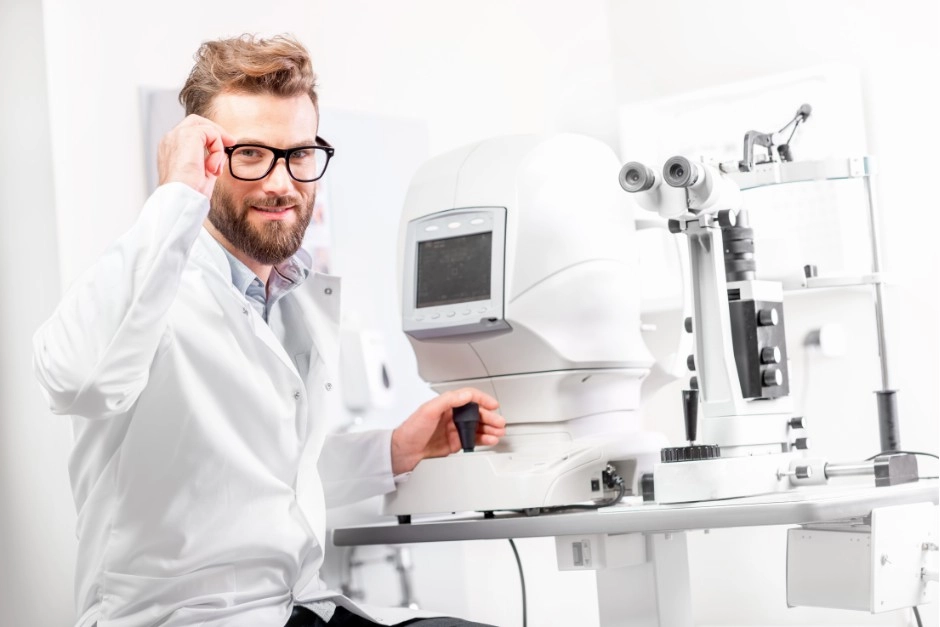
Understanding visual acuity is the first step to better sight. Explore how standardized eye tests help define vision loss and guide the choice for effective low vision aids.
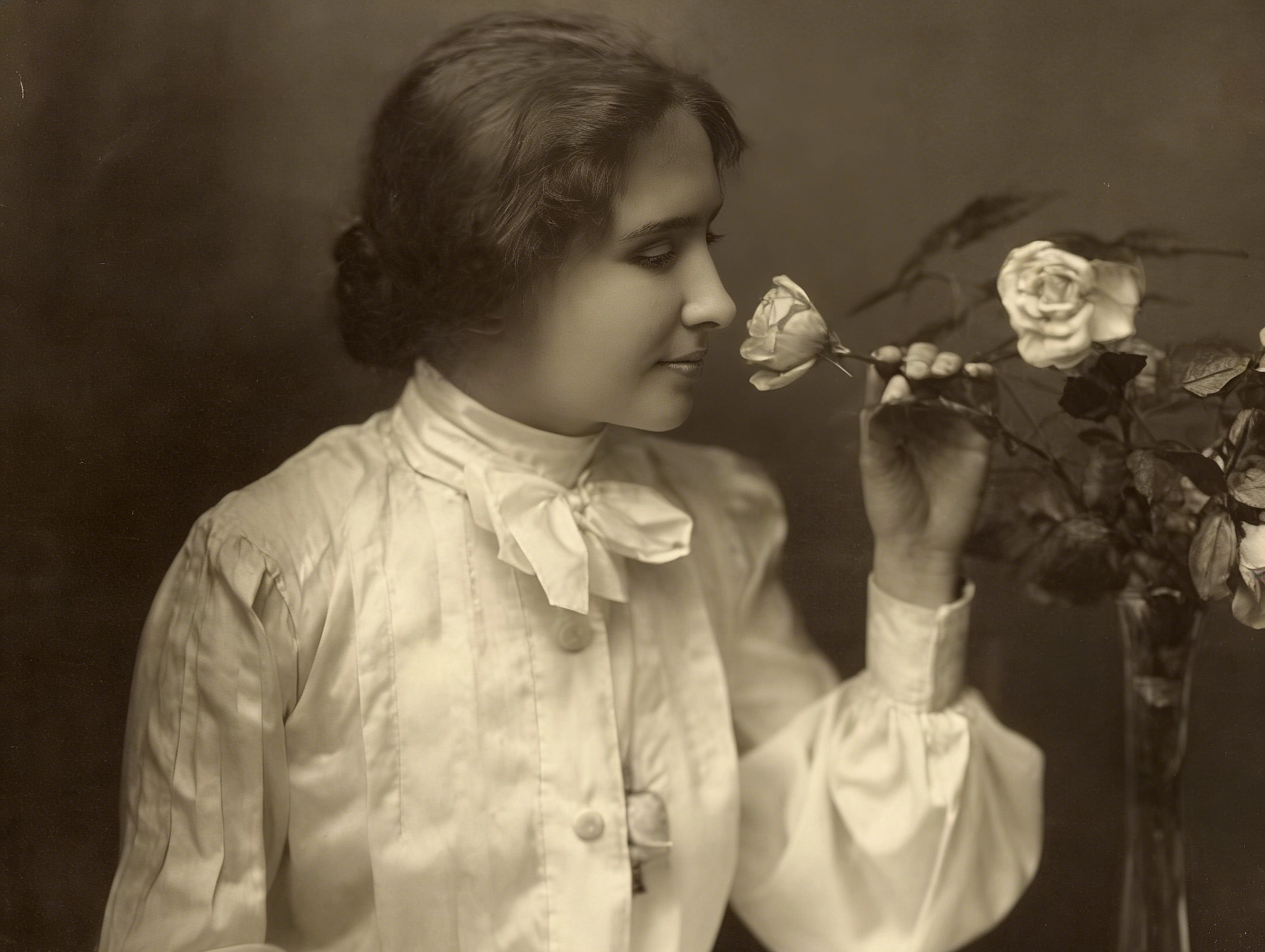
What are suitable jobs for the deafblind? Learn about vocational rehabilitation, causes of deafblindness, and global resources from the National Center on Deaf-Blindness and more.
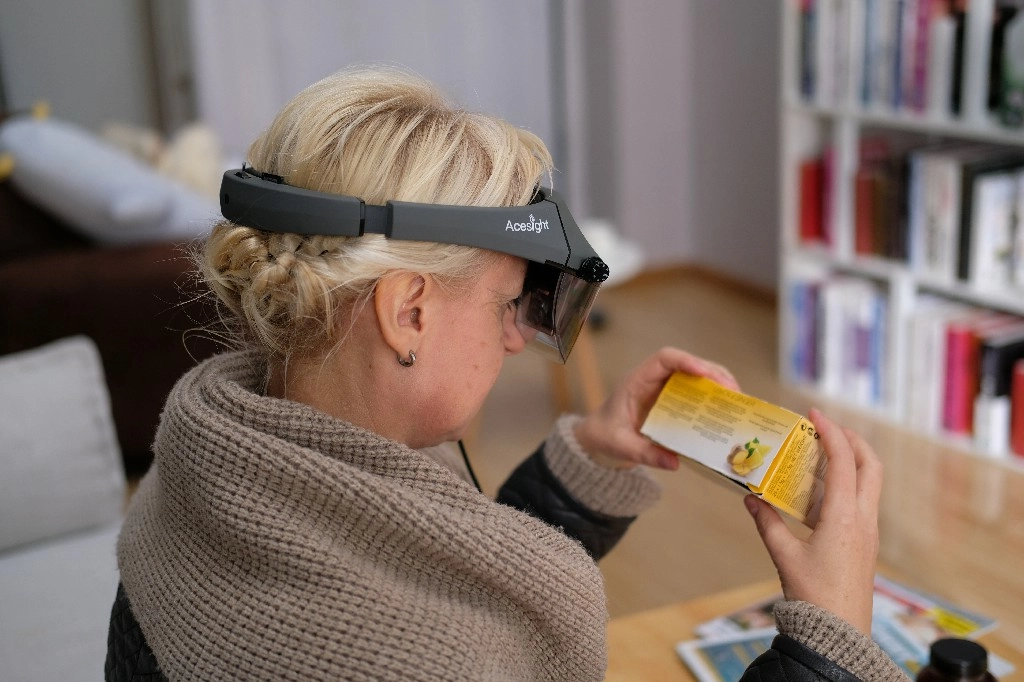
From reading glasses to Acesight E-glasses, find the right fit for your eyes. Discover the best types of protective eyewear, the benefits of contact lenses, and how to maintain peak eye hygiene.
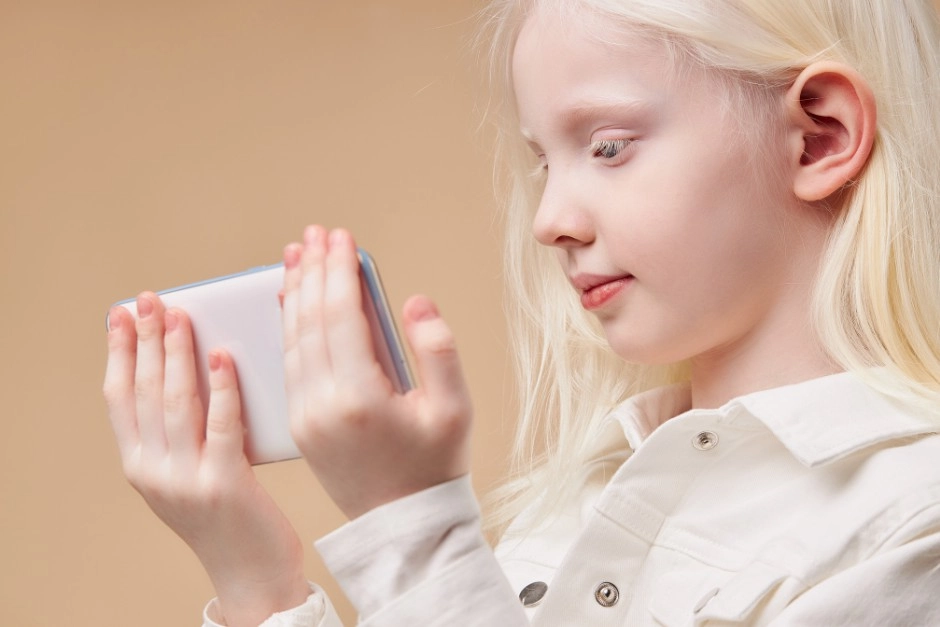
Can albinism lead to 20/200 vision? Learn about the link between melanin, nystagmus, and astigmatism, and discover how video magnifiers like Snow 12 restore independence.
The eyes are crucial organs that allow us to comprehend our surroundings and enjoy the beauty of the world. Certain actions and things in our daily lives, however, can endanger our eye health. Summer hobbies may take you anywhere, from golf to yard work, viewing fireworks or even the ER. Sadly, many such appointments are for major eye injuries. Unsurprisingly, fireworks-related incidents are the most common. It’s that time of year when people start thinking about their 4th of July celebrations, which, as we all know, usually include a lot of fireworks. As a result, in addition to being Cataract Awareness Month, June is also Firework Eye Safety Month.
Hypertension, also known as high blood pressure, is a widespread medical disorder that affects millions of people worldwide. While the influence on heart health is well known, the link between hypertension and eye health is sometimes disregarded. Understanding the impact of high blood pressure on the eyes, on the other hand, is critical for maintaining normal visual function. Many Americans suffer from high blood pressure. One sure thing is that males have it at a greater risk compared to women (47% vs. 43%), so your gender may play a role in whether you’re in danger. This danger should not be overlooked.
From an infant to an adult, the changes keep happening in every inch of our skin, and of course including the vision. People don’t have a clear vision as long as they were born, as it takes time to grow up. During the growth and development of children, their vision can be vulnerable and easily affected by a lot of factors. For instance, children before 7 years old are likely to get strabismus, as well as farsightedness, nearsightedness, astigmatism, and amblyopia, and these situations need to be found and treated timely in order to avoid permanent vision loss. This is also why good behaviors of eye use should be fostered as soon as possible in childhood.
Smoking affects the health of large numbers of people and nearly 8 million deaths each year are related to smoking in the world. The harm of smoking is obvious and widely known and it can have direct and negative effects on the eyes and vision. The news of the World Health Organization (WHO) claims that the risk of specific eye diseases and permanent vision loss will be raised due to smoking. To make the public realize the dangers of smoking more comprehensively, the WHO therefore designated May 31st as World No Tobacco Day.
Global Accessibility Awareness Day (GAAD) is an annual event held on the third Thursday of May. Joe Devon, a web developer, and Jennison Asuncion, an accessibility specialist, established GAAD. They realized the need to raise awareness regarding digital accessibility and devised the notion of designating a day to do so. One important aspect of GAAD is accessibility for visually impaired people. Accessibility measures are critical for those who are blind or have limited vision to fully participate in society. Incorporating visual aids and assistive technology that improve their sense of independence and access to information is part of this.