












Consejos para aprender braille y mejorar la independencia de las personas con baja visión
This article explores a beginner’s guide to learning Braille, common challenges, and how mastering this tactile writing system can transform lives.
This article explores a beginner’s guide to learning Braille, common challenges, and how mastering this tactile writing system can transform lives.
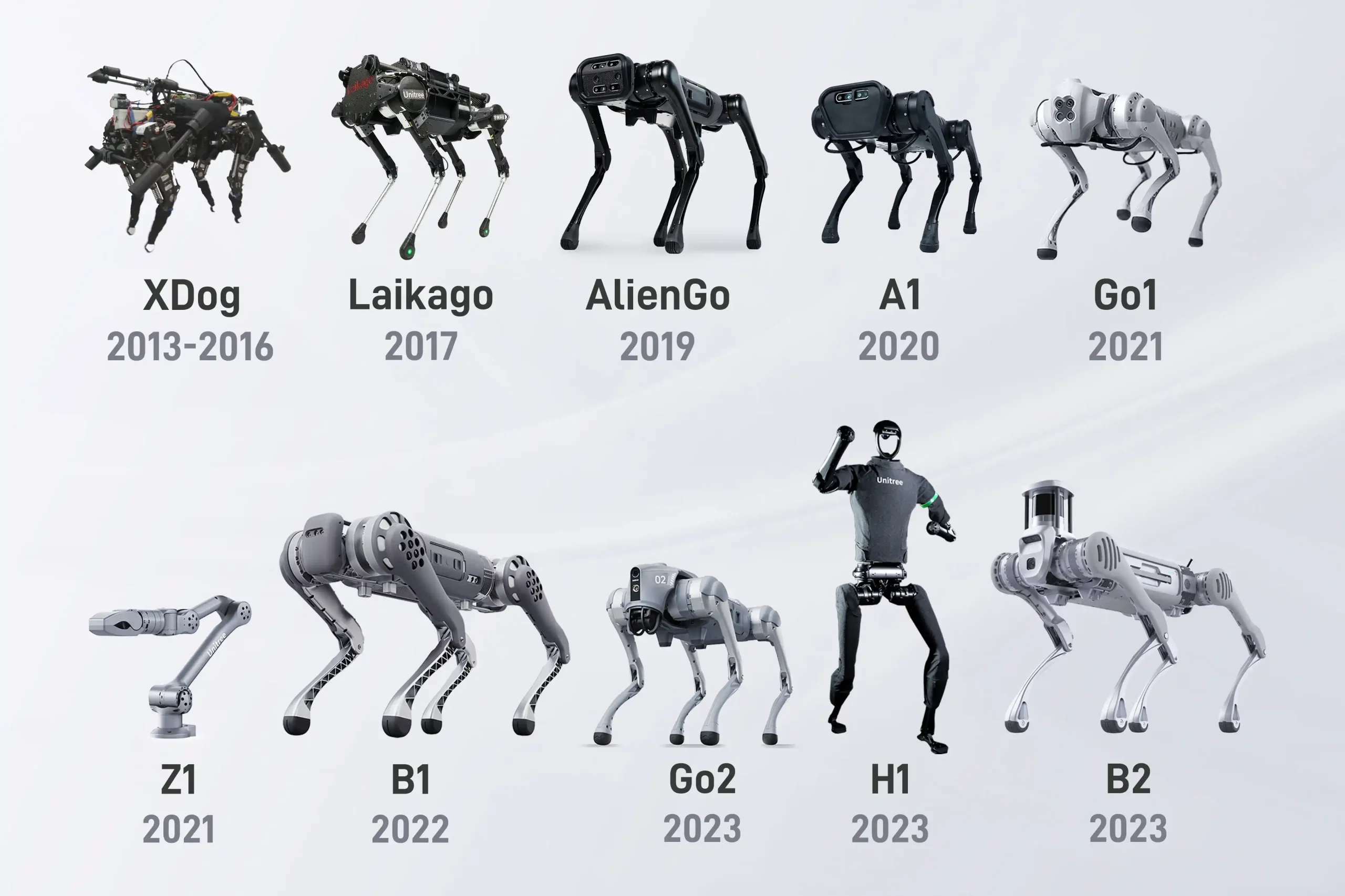
This article explores the cutting-edge developments in robotic technology by Chinese companies such as Unitree Robotics and their competitors, highlights recent breakthroughs like the side-flipping robot, and discusses how these innovations align with broader trends such as “cloud pet ownership”.

Micro-fitness is especially suitable for people who struggle to find large blocks of time for traditional long-duration workouts, including busy individuals and low-vision individuals, who may prefer or need to exercise in safe, familiar spaces rather than outdoors or in intense settings.
Manus’s launch in March 2025 signals the AI agent era, showcasing autonomy and multi-tasking potential. While challenges persist, the future holds significant opportunities, balanced by the need for ethical frameworks to ensure benefits for humanity.

This article will explore these questions by drawing on the wisdom of famous books, aiming to bring readers a lighthearted and healing perspective.

Let’s dive into how these next-gen chips stack up, why they matter for industries like healthcare and low-vision assistive technologies, and what their rivalry means for the future of computing.

With advancements in technology, various smart devices have emerged as effective tools to assist AMD patients. These devices range from retinal implants to wearable technology, significantly improving visual function and daily accessibility.
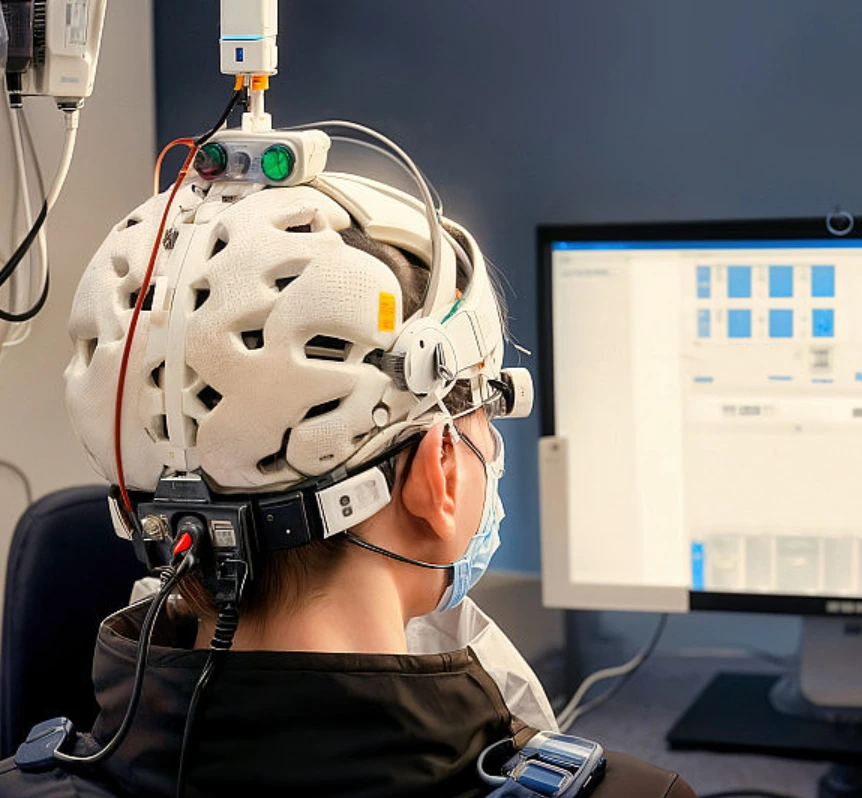
Este artículo explora los últimos avances de la tecnología para compartir sueños, tanto desde el punto de vista tecnológico como psicológico, y examina su posible impacto en los usuarios con baja visión.

Exploremos el fenómeno de las guarniciones digitales y analicemos cómo éstas se han convertido en un acompañante en las comidas, especialmente para las personas con baja visión, revelando su significado sociológico, psicológico y relacionado con la accesibilidad.

Las tecnologías sanitarias digitales inteligentes no sólo proporcionan una atención médica más accesible a los pacientes con baja visión, sino que también alivian eficazmente los retos y presiones a los que se enfrentan en el proceso sanitario.