










One of the major misconceptions about visual impairments is that it means someone cannot see at all. In fact, while many people with vision problems will be said to have 20/200 vision, the actual range of sight issues they have can vary quite considerably. For some people it may mean complete loss of sight, but for others, it can mean a wide range of issues that severely restrict their vision in different ways. One of the more common of those is peripheral vision loss, which is often referred to as tunnel vision. But what is peripheral vision, what causes the loss, and how can we prevent it?
Common Causes of Peripheral Vision Problems
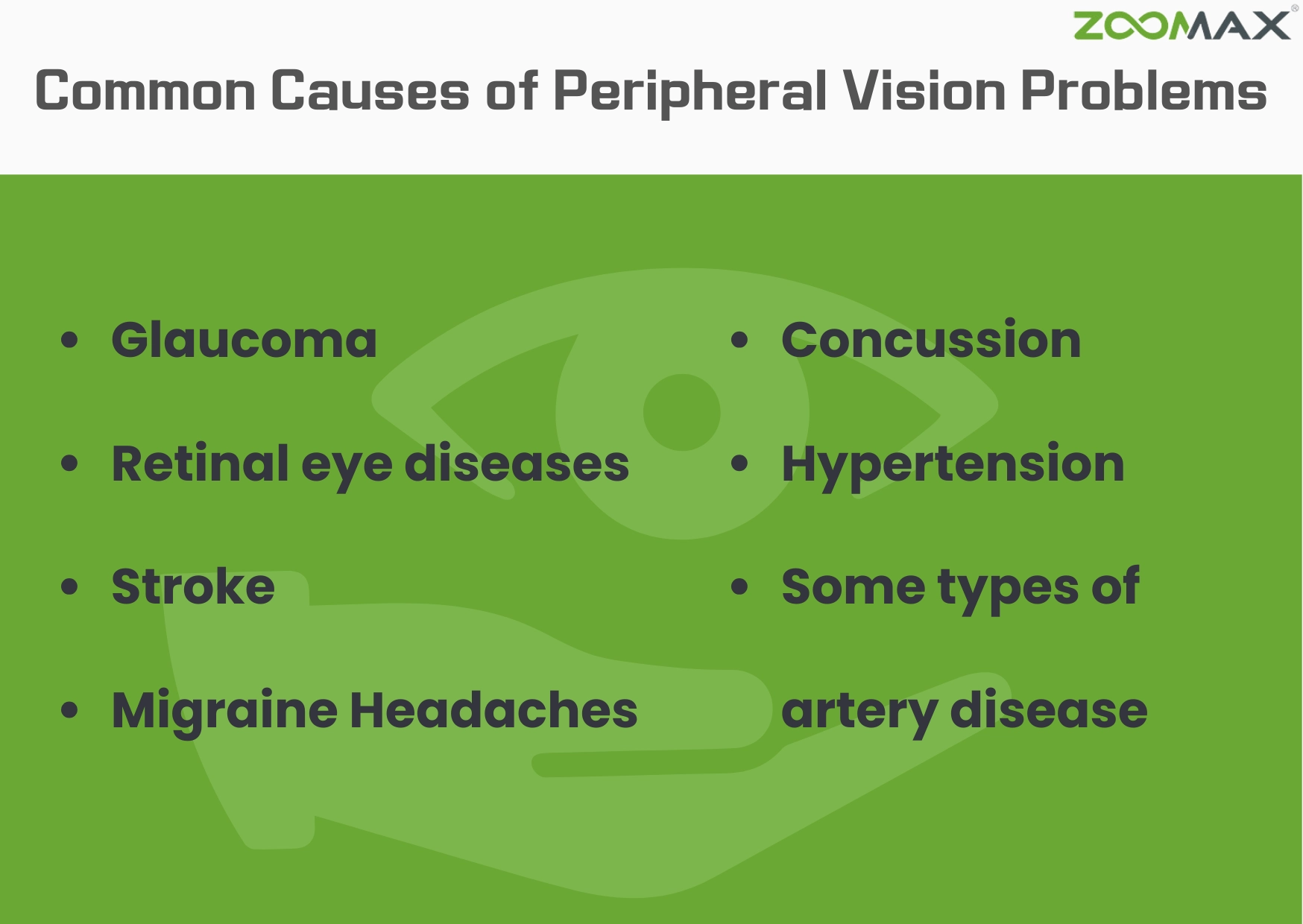
Eye diseases are a significant issue for anyone because even minor problems can result in long term vision challenges, and they are the main causes of peripheral vision problems. These include:
- Glaucoma – A disease of the optic nerve that can cause a number of vision issues.
- Retinal eye diseases – Including macular degeneration, retinitis pigmentosa, retinal vein occlusion, optic neuritis and diabetes-related retinopathy
- Stroke –Loss of peripheral vision can be a lasting effect after a stroke.
- Migraine Headaches
- Concussion
- Hypertension
- Some types of artery disease
Glaucoma and various retinal eye diseases tend to cause permanent peripheral vision loss, however in the case of many of these illnesses and diseases, the tunnel vision effect may be temporary. In all cases it is crucial that professional medical help is sought immediately to ensure that everything that can be done to mitigate the issue is put into practice.
Symptoms of Peripheral Vision Problems
In most cases, peripheral vision loss doesn’t happen immediately, and is a gradual process that gets progressively worse over time. Peripheral vision problems are not always easy to recognize though, as they affect your field of vision (FOV), but in a very specific way. There are two types of vision that make up how we see the world around us with healthy vision, the first is central vision. This refers to the objects that are directly in front of you, that are in the center of your vision when your eyes are pointed at something. This is where the eyes focus, which is why objects in this central vision are sharper and clearer than anywhere else in your vision range, even if you have completely healthy eyesight.
 The second type of vision is peripheral vision. This is the areas surrounding that central vision area, where your eyes are not as tightly focused, that tends to be a little less sharp. Sometimes called side vision, it is what we see from the corner of our eyes, and can be incredibly useful when driving, riding a bike or any number of other activities.
周辺視力低下によって影響を受けるのは、この第二の視力領域である周辺視です。周辺視野がぼやけて見えたり、端の方が暗く見えたりして、視野が狭くなり、通常より見えにくくなります。.
As you lose side vision, so the width of your overall vision decreases and you can see little beyond that central vision area, this is known as the tunnel vision effect. This is because it mimics the effect of standing in a dark tunnel looking out of the opening at bright sunlight. You see that central part clearly, but everything else is dark, indistinct and lacking in clarity.
 これは周辺視力低下の影響であり、たとえ些細なことであっても、その兆候に気づいたら医療機関を受診することが本当に重要です。心配なことがあれば、眼科専門医のもとで周辺視力検査を受けることができますが、良いニュースは、多くの種類の周辺視力障害は治療可能であり、周辺視力障害のいくつかの原因は、賢明なライフスタイルの選択によって完全に回避できるということです。.
Peripheral Vision Tests
The best way to maintain your eye health and prevent eye diseases of all kinds, including the loss of peripheral vision, is by having regular eye exams. These allow your ophthalmologist to spot problems early, and with a treatable problem like tunnel vision that can make all the difference. This is especially true for anyone suffering from diabetes, where annual eye exams should be a minimum, and can often be the different in treating your vision problems.
There are three types of eye test that can be useful in dealing with peripheral vision issues, these are:
対立視覚テスト
 A simple test most people will be familiar with, it involves covering one eye and having the doctor or eye care technician hold up fingers for you to count within your peripheral vision. This is then repeated with the other eye. Simple and easy to administer, it gives a broad idea of the level of side vision someone has, however as it used no instruments for measurement, it may not always catch small side vision defects.
Automated Static Perimetry test
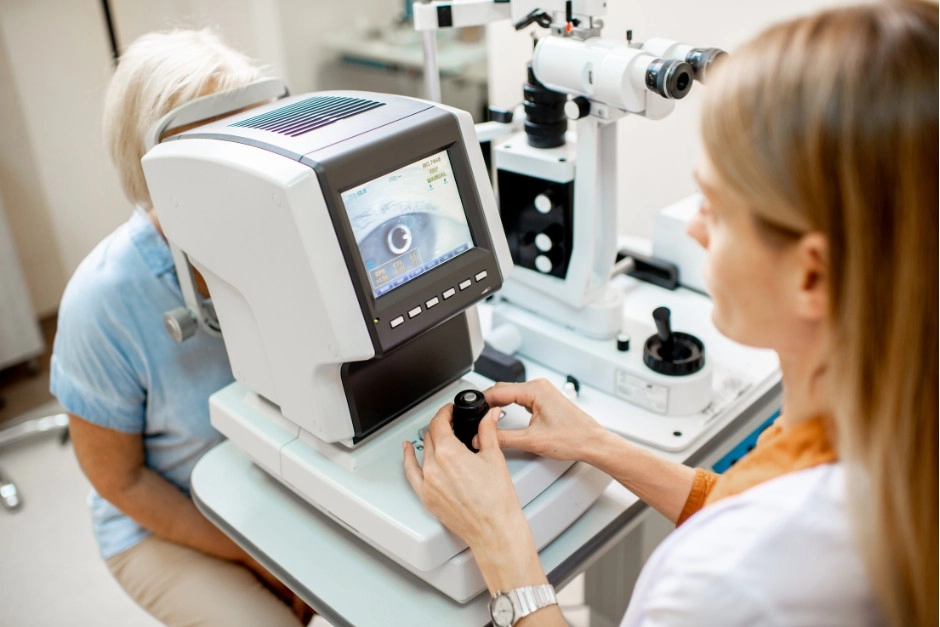 この検査では、ペリメーターと呼ばれる周辺視力を検査するために特別に設計された装置を使用する。片目を覆い、光が見えるたびにボタンを押してもらう。ライトは、中心視と側方視の両方において、その周辺に配置され、ランダムな順序で現れる。片目で検査が完了したら、もう片目で繰り返す。特定の光が現れるタイミングを見逃すと、特定の領域で周辺視力が低下していることが明らかになるため、眼科医はさらに詳しく調べることができる。この検査は特に緑内障による問題を特定するのに有効である。.
動体視力検査
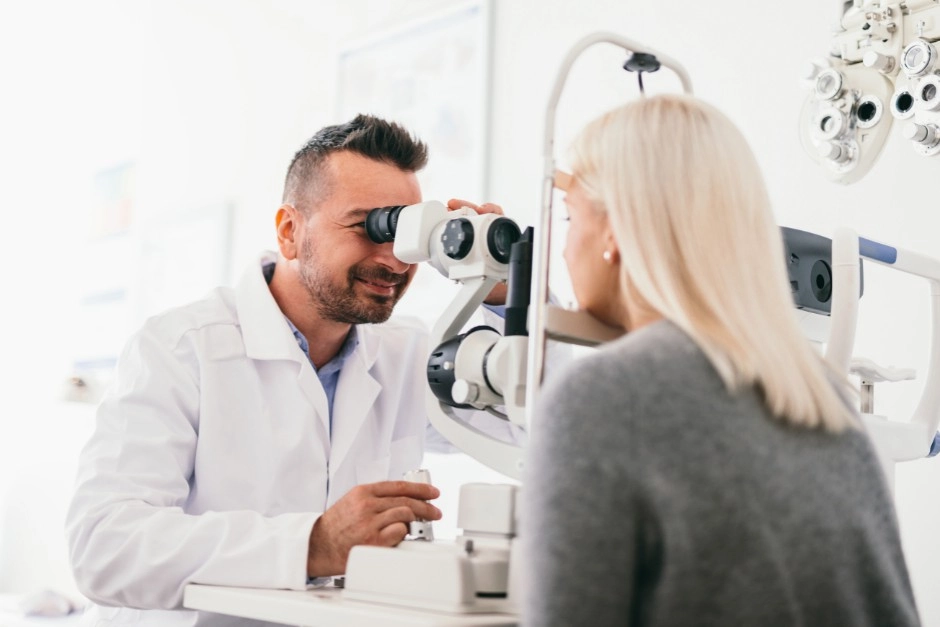 The last type of peripheral vision test, which also uses the same dedicated perimeter machine as the previous test. Here though, light moves in and out of your side vision, rather than appearing in one place and disappearing after. This approach allows a more accurate understanding of where the issues with peripheral vision begin in terms of the field of view, and are particularly useful for diagnosing retinal diseases and neuro ophthalmological issues.
視力の健康は全身の健康にも関係するため、節度ある食事、十分な運動、健康的な生活習慣は大きな影響を与えます。目を保護することもその一部ですが、一般的な健康不足に関連して、一時的な周辺視力低下を引き起こす問題が多いため、より健康的なライフスタイルを維持する努力をすることが、目の健康にとっても最善の方法です。.
 However, while taking care of yourself is great advice, with regular eye exams to identify issues early, you may still find problems that need treating. Tunnel vision is one of the more common eye diseases we suffer from, and as a result there is extensive medical understanding of the disease and its treatment.
In general, tunnel vision is treated by dealing with the underlying issue that is causing it. Whether that is glaucoma, retinal diseases and so on, by solving this issue in a large number of cases, the loss of peripheral vision is also resolved too. In a similar way, issues caused by strokes, hypertension, concussion and migraines tend to be temporary too, and as the underlying issue is dealt with, so the vision health issue will be too.
しかし、周辺視力の損失が永続的なケースもあり、ここでは患者ができるだけ影響を受けないように状態を管理できるようにすることが目標となります。Acesight E-glassesシリーズのAcesightやAcesight VRのような視覚補助具は、周辺視力喪失者の助けとなることができます。この種の視覚補助具には、ナローモード機能が搭載されており、トンネルビジョンの状況に合わせて、画面を適切な場所に移動させることができます。AcesightおよびAcesight VR E-glassesの詳細については、公式ウェブサイトをご覧ください: https://www.acesight.com/. .さまざまな技術によって、周辺視力の問題を効果的に管理することができ、視力20/200の方でもライフスタイルを維持し、自立することができます。.
参考文献
https://my.clevelandclinic.org/health/symptoms/24435-tunnel-vision-peripheral-vision-loss
https://dmei.org/blog/peripheral-vision-loss-what-is-it-and-how-to-treat-it/
https://www.aao.org/eye-health/symptoms/vision-loss-peripheral-side