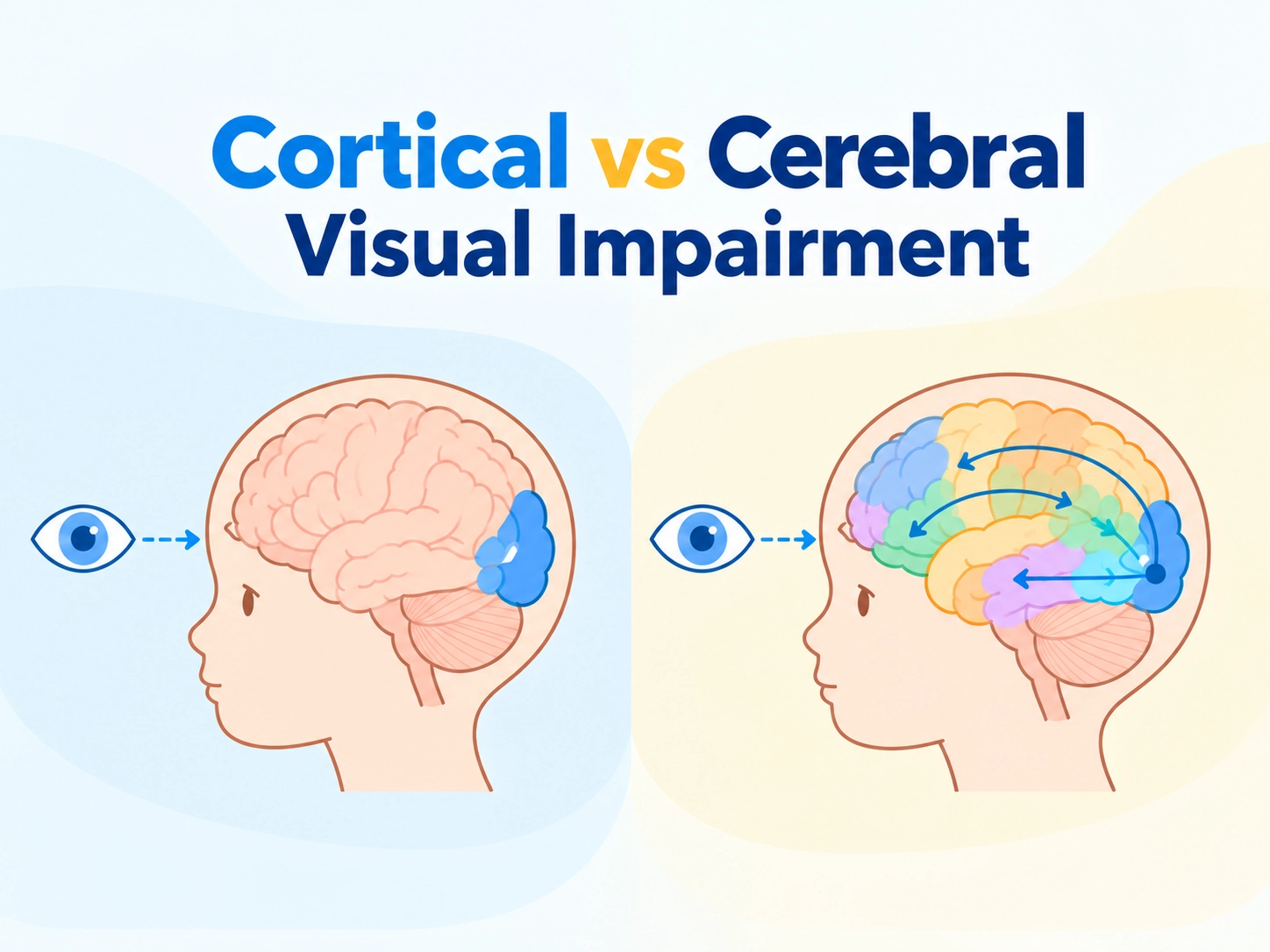
As we navigate the complexities of 2026, the landscape of global education has undergone a tectonic shift. For educational procurement officers and school administrators, the focus has moved beyond mere accessibility to full-scene integration. In this new era, special education equipment is no longer viewed as isolated hardware but as a critical node in a school’s digital ecosystem.
At Zoomax, we recognize that the challenge of inclusive education problems and solutions lies in the seamless transition between distance viewing (the blackboard), near viewing (reading and writing), and digital collaboration. Zoomax Snow Pad emerges as a definitive game changer in this space, effectively addressing these pain points by bridging the gap between traditional learning and digital innovation.

The New Standard: Why Full-Scene Integration is the Future of Special Education
Modern pedagogy demands flexibility. Students with visual impairments are no longer confined to the back of the classroom with bulky, stationary machines. The current B2B procurement logic has shifted from “buying a device” to “investing in scenario adaptability.”
High-performance solutions to inclusive education must now address the fluidity of the classroom. Whether a student is transitioning from a science lab to a literature seminar, their assistive technology devices for low vision must be lightweight, interoperable, and capable of capturing information across all focal lengths without the need for redundant hardware.
Pro-Tip for B2B Buyers
When evaluating teaching aids for visually impaired students such as a portable video magnifier, prioritize “Latency-Free Integration.” A device that requires more than 30 seconds to set up between classes often leads to student disengagement and lost instructional time.
Asset Activation: Maximizing Classroom ROI with Snow Pad and Tablet Integration
One of the primary friction points in school budget allocation is hardware redundancy. Many institutions already possess a fleet of tablets. Zoomax Snow pad is meticulously designed to transform these existing assets into high-performance low vision aids for students, thereby eliminating the need for schools to procure additional, expensive, and single-purpose assistive devices specifically designed for distance or near vision.
Zoomax Snow Pad’s integrated system and split-screen functionality perfectly solve the student’s dual needs in the classroom. Students can simultaneously view the distant blackboard and the textbook on their desk in high definition. This “all-in-one” approach ensures no instructional detail is missed, regardless of where the teacher is standing.
Digital Fusion
By leveraging the capabilities of Snow Pad, schools bypass the cost of specialized, standalone monitors.
Privacy & Data Security

Snow Pad is designed with student privacy at its core. All core magnification and reading functions work entirely offline – no Wi-Fi connection required. This means students can use the device in any classroom without internet access. More importantly, no real-time data is ever uploaded to the cloud – what students read or view stays on their device. For schools, this eliminates data breach risks and simplifies compliance with student privacy regulations (e.g., FERPA, GDPR-K). Snow Pad delivers powerful visual support without compromising security.
Technology-Driven Reputation
Investing in cutting-edge technology serves as a powerful signal to prospective parents. Demonstrating a commitment to the latest accessibility tools builds institutional trust and enhances the school’s competitiveness during student recruitment.
App Interoperability
Snow Pad allows students to split-screen between the magnified live feed and school-sanctioned apps (like Google Classroom or Microsoft OneNote), fostering true digital inclusion.
Built to Last: Durability and Safety Standards for High-Frequency Use
In a high-intensity school environment, equipment longevity is non-negotiable. Classrooms are dynamic spaces where students move around frequently; Snow Pad is engineered with a high-stability stand specifically designed to maintain balance and prevent accidental tipping during typical classroom activities.
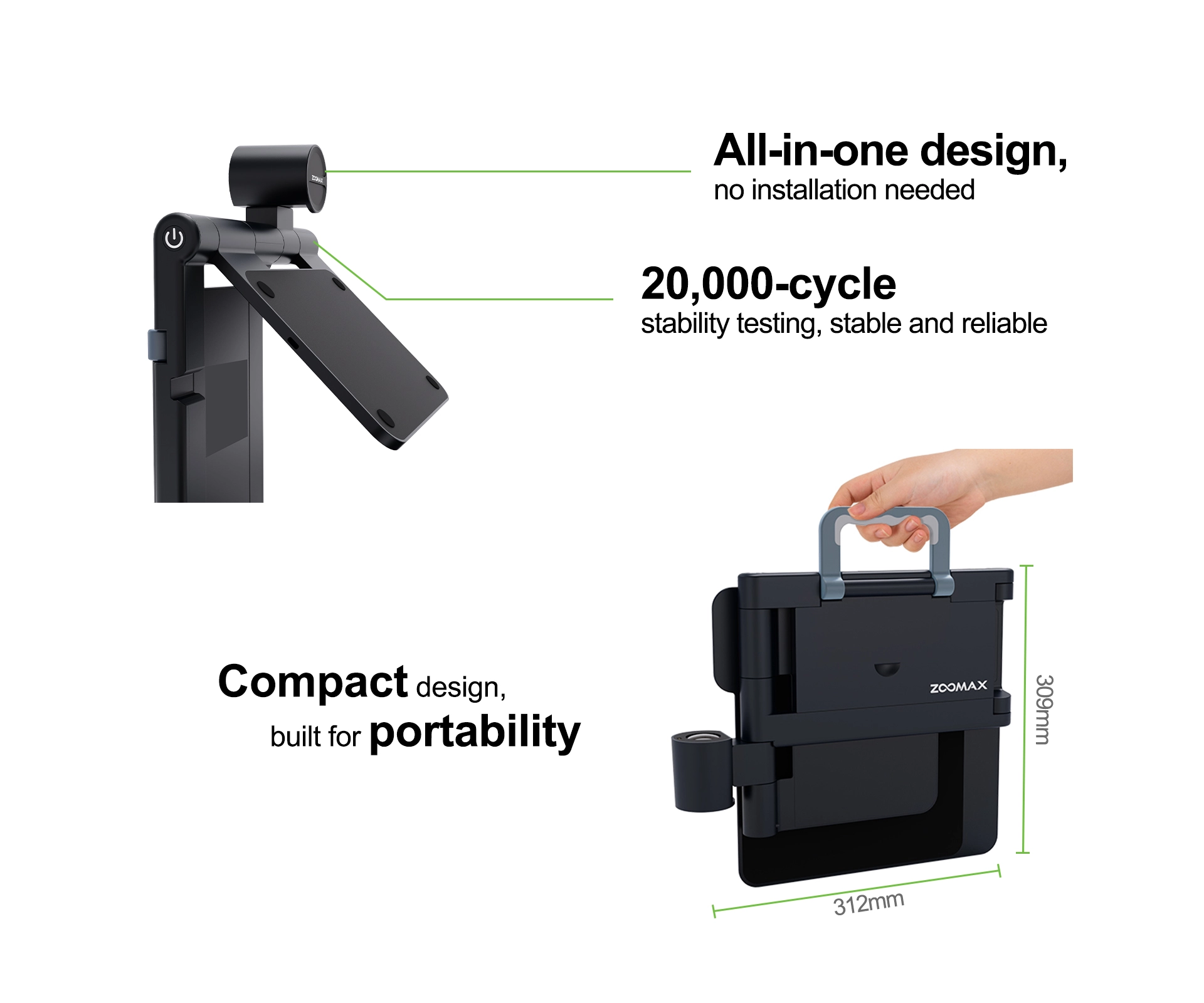
With a 5-hour battery life, the device is designed to meet the routine daily usage requirements of most students without needing a mid-day charge. Furthermore, its rapid-fold design allows for instant transitions between the classroom, lab, or music room. This portability eliminates the need for schools to equip every individual room with separate digital magnifiers, significantly reducing the hardware footprint.
We pay particular attention to the diverse eye conditions in children, such as nystagmus, albinism, or high myopia.
Technical Specification Summary: School-Grade Standards
Feature | Specification | Educational Benefit |
Compatible W/Tablets | iPad, Xiaomi/Samsung tablet | Enhance equipment utilization |
Build Material | Aluminum Alloy (ADC12) & Plastic (PC+ABS) | Made from sturdy, stable materials – highly durable and damage-resistant |
Magnification Zoom | 1x – 32x (Variable) | Adaptable for various eye conditions in children. |
Camera angle | Left/right rotation angle: 270° clockwise, 60° counterclockwise. | Balances detailed spot reading with peripheral awareness, optimizing reading efficiency for visually impaired students. |
Autofocus Response | < 0.5 seconds | Instant focus when switching between distance and near viewing, eliminating classroom downtime. |
Refresh Rate | 60Hz Low-Latency | Smooth tracking for fast reading and writing. |
Battery Life | 5 hours continuous use | Supports the routine daily usage requirements of most students. |
OCR Language Support | 20+ languages (English, Spanish, Chinese, Arabic, etc.) | Supports multilingual classrooms and ESL students, enabling text-to-speech in the student’s preferred language. |
Assistive Accessories | Lockable carry case, adjustable desk mount, anti-theft cable kit | Secures device during transport between classrooms and prevents loss or theft when left unattended. |
Certification | CE, FCC, RoHS | Guaranteed safety and environmental compliance. |
Economic Intelligence: Optimizing TCO through Modular Technology
From a financial decision-maker’s perspective, the initial purchase price is only one part of the equation. The Total Cost of Ownership (TCO) is where Zoomax delivers its greatest value.

Lowering Training and Manpower Costs
The low vision aids for students developed by Zoomax feature a “zero-barrier” logic. Students typically achieve operational proficiency within minutes, significantly reducing the burden on special education teachers for extracurricular technical support.
Empowering Student Independence and Confidence
High-quality empower students to learn independently and be more confident. By reducing the student’s constant reliance on specialized shadow teachers or teaching assistants, schools can allocate their human resources more effectively and efficiently.
The Modular Advantage
The “plug-and-play” design of Snow Pad ensures that as tablet technology evolves (e.g., upgrading from iPad Pro 2024 to 2026 models), Snow Pad hardware remains functional. This modularity prevents the “dead-end” investment common in proprietary, closed-loop systems.
Simplified IT Deployment and MDM Integration
Modern schools require streamlined workflows. By combining tablets with Mobile Device Management (MDM) solutions, IT administrators can remotely complete software updates and configurations. This means maintenance can be performed across the entire campus fleet simultaneously without ever touching an individual device, saving hundreds of hours in manpower.
Building an Inclusive Campus Culture
Investing in advanced accessibility is more than a budget line item; it is a manifestation of a school’s mission. Providing equal learning opportunities for students with low vision fulfills social responsibilities and elevates the school’s reputation as a leader in inclusive education.
Conclusion: Empowering the Next Generation with Zoomax Strategic Partnerships
As one of the leading low vision suppliers, Zoomax is committed to more than just manufacturing; we are committed to partnership. By choosing Zoomax low vision aids, distributors and educational institutions are building a foundation for student success.
The future of the inclusive classroom is portable, integrated, and economically sustainable. Together, we can ensure that every student has the visual tools they need to reach their full potential.